Blog / Service

Blog

All Service News New Inventory Community Events Fleet Parts Social Green Ford Information Body Shop Grand Rapids Ford Dealer People Finance Pre-Owned Inventory

Get Your Vehicle Ready For Summer Adventures in West Michigan

Get ready to get back in gear and start your summer adventures with Borgman’s service guide. We’re here if you need a tune up before the “Stay Home, Stay Safe” order lifts with free pickup, delivery, and loaners. This month, we're giving you a quick list of some parts of your vehicle you should check before setting out on a Memorial Day road trip, including advice for how to identify potential problems. Let's get started! First, Do A Quick Walk-Around You'd be amazed at how many issues you'll be able to spot by just doing a quick walk around your vehicle. You can check for chips in the windshield, dings in the body, panels covering the underside of your vehicle coming loose, tire condition, and exhaust parts starting to fall out of place. Be sure to really crouch down and have a good look with a flashlight. Tire Condition & Care During your walk around is the perfect time to check the tread depth of your tires. The penny trick is still a good tried-and-true method for getting a general idea of how much tread you have left. Simply insert a penny upside down and facing you into your tire's tread. If you can see all of Abraham Lincoln's head, it's time for new tires. While you're looking closely, check the tread wear to make sure that they're wearing evenly and inspect the sides of the tire for cracks or splits. If you have a tire gauge, it's a good idea to make sure they're properly inflated as well, and you can find that information on a sticker inside your door well or in your owner's manual. Uneven tread wear can point to issues with your alignment and suspension, and you should schedule an appointment with us right away. Check Your Coolant Levels & Inspect Your Radiator Now it's time to open the hood and check your fluid levels. While we're focusing on your cooling system below, it's not a bad idea to consult your owner's manual and check your engine oil, brake fluid, power steering fluid, and transmission fluid levels - taking careful note to measure the hot or cold levels - whichever is appropriate. First, never open your radiator cap if your engine is hot or even warm. Your coolant system is under pressure and the escaping fluids and/or steam can cause severe burns. Take a look at the fluid level in your reservoir and ensure it's within the acceptable range. Trace each coolant line with a flashlight and look for cracks, splits, and white-ish buildup around any of the joins or radiator cap, as these point to a leak. If your coolant level is low and you've found a leak, make sure to only use the matching color of coolant for your vehicle - do not mix and match colors! Next, schedule an appointment with the Borgman Service Center right away. What To Do If Your Vehicle Overheats If your vehicle begins overheating while you're driving, shut off the air conditioner, roll the windows down, and turn up the heater to full and try to vent heat from the engine bay, then pull over as soon as it is safe to do so. If the temperature returns to normal in a short amount of time, your radiator may have been overwhelmed. This usually happens while sitting in traffic on a hot day. If your vehicle does not cool down, shut the engine off and carefully open the hood to check your coolant level and check for leaks. Do NOT remove the radiator cap. If you are low on coolant, distilled water can work in a pinch but calling for roadside assistance is the best option. Checking Your Air Conditioning System Once your vehicle is up to operating temperature, your air conditioning at full blast should be giving you goosebumps. On a pre-road trip drive, check and make sure your air conditioner is still going strong and isn't in need of a recharge. It's much better to know if it isn't working properly now rather than when the vehicle is all packed up and you're hitting the road. Review Your Service Records Before you start your adventure, take a look at the service history of your vehicle and make sure you're not overdue for brakes, tire rotation, oil change, or other regular maintenance. If you're getting close on any of these, it's a good idea to visit the Borgman Service Center before you embark - we could also uncover unknown issues with your vehicle before they have a chance to delay your trip. Borgman Service in Grand Rapids is Here For All of Your Vehicle Needs Time for new tires? Air conditioning not working? Schedule your appointment with the Borgman Service Center in Grand Rapids today with Free Pickup & Delivery during the Michigan Stay Home, Stay Safe order. Be sure to check out the latest Service Specials and Make Your Appointment Online today to get the service you need before making your first summer trip in West Michigan. Come see why we're the Best in the West for over 60 years!

Borgman How To: Keep Your Vehicle Healthy During Shelter In Place

Keep Your Vehicle Working During Social Distancing While West Michigan drivers are staying home to help prevent the spread of coronavirus, it's important that steps are taken to ensure their vehicle stays healthy too. When vehicles sit for extended periods of time, tires, hoses, and other components can become damaged and require expensive repairs. The issues we're describing take longer than a few weeks to develop, but every time you warm up and drive your vehicle, you "reset the clock" so it's advisable to keep these things in mind when your vehicle gets less than regular use. In this Borgman How To, we'll give you a quick routine you can use to make sure your vehicle is ready to go when the shelter in place order is lifted in Michigan. If you need any service for your vehicle, Borgman's Service Center is still open and offering Free Pickup & Delivery with an appointment. The Best Thing You Can Do Is Drive It To prevent the issues with your vehicle we've described above, the best thing you can do to keep your vehicle healthy is to drive it. While the Michigan Governor's shelter in place order restricts what you can do and where you can go, taking the scenic route to the grocery store or to the bank should be enough to get your vehicle up to operating temperature. This allows moisture and acids that build up to burn off - mitigating damage to your internal components. Letting it idle in the driveway is not enough. Protect Your Tires From Dry Rot & Flat Spots Regularly driving your vehicle ensures your tires will not be in the same position in your driveway as when you left. To explain, when tires are sitting in one position for too long, they deform and develop a flat spot on the bottom and it's not something that can be fixed. You'll need new tires. Tires left sitting can also develop "dry rot," meaning that through a lack of heating, cooling, and stretching, the rubber becomes brittle and starts to crack. This leads to leaks and can only be solved with new tires. Keep Your Battery Charged Even when your vehicle is off, it's using electricity. On top of that, when car batteries aren't recharged by a running engine for prolonged periods of time, they naturally lose their charge. Since alternators in vehicles generally won't charge a battery below 1,000 RPM, you will need to drive the vehicle for about 20 minutes to get back up to a full charge. Alternatively, you can order a "trickle charger" and use that to keep your battery charged up - though this is not recommended unless you have your vehicle stored in a garage. The battery is the most vulnerable component of a vehicle that sitting for weeks at a time. Usually, draining a battery will damage it permanently and it will not be able to hold as robust of a charge. This gets worse every time it is depleted and eventually, it won't be able to hold a charge at all. Need Vehicle Maintenance? Borgman Service Is Open and We'll Come To You! At the time of this writing, the Borgman Service Center in Grand Rapids MI will remain open during the Michigan shelter in place order. To help stop the spread of COVID-19, we're taking many extra steps to ensure the safety and health of both customers and employees. One of these is Free Pickup & Delivery of your vehicle for service customers - no need to leave the house. We'll also sanitize your vehicle when we pick it up and when we return it to you. If you need maintenance, visit our Service Center page and schedule your appointment online - we'd be happy to be of service to you. If you have any questions, do not hesitate to Contact Us. See why we've been the Best in the West for 60 years!

How Do Anti-Lock Brake Systems Work?

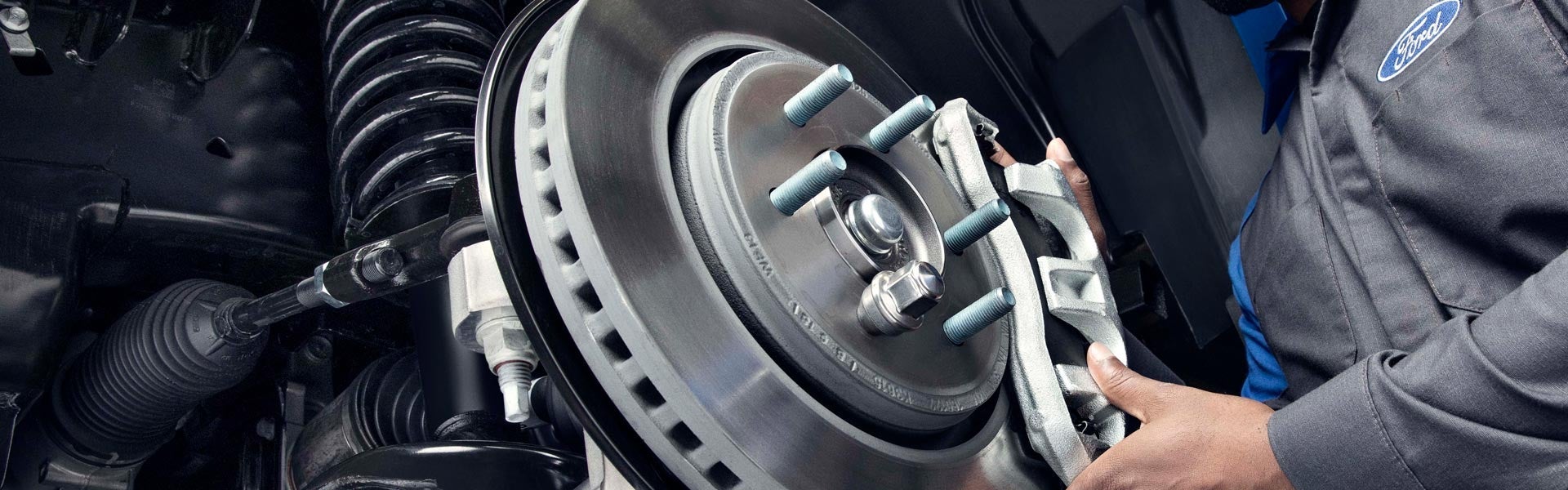
Anti-Lock Braking System (ABS) is a technology that works while you drive, ensuring that your braking system restores vehicle control when you start to feel out of control (in the case of a skid, for example). Dating back to the 1920s, anti-lock braking didn’t become standard on vehicles across the world until three decades ago, which was a major improvement in safety while driving in adverse or unstable conditions. Understanding why they’re part of your vehicle’s mechanical system and how it works is critical for knowing when it’s working in order to keep your driving as safe as possible, and when they’re not working and it’s time to bring it into the Borgman Service Center. How Does ABS Work? ABS ensures your brakes don’t lock in a position that may encourage skidding or loss of vehicle control — meaning, it initiates a slowdown in wheel rotation and automatically adjusts braking application (think a pumping mechanism) to make sure you don’t slide when you slam on the brakes. Essentially, it’s working in the background to help you stop safer whenever you initiate a hard, immediate cessation of speed. The pulsing brake pattern helps you maintain control. How is ABS Built? Generally, ABS has up to four wheel sensors that read or measure (by magnetism, for example) when tire rotation has dramatically shifted — so when the wheel stops rotating in a brake or significantly slows. When combined with an anti-lock control module and hydraulic control point, deliver pulsing pressure when your car is sliding or skidding. The best way to ensure you’re not skidding is not to apply the pumping to the brakes yourself, but rather to push the pedal down as hard and consistently as you can and let the ABS do as it’s designed to do. ABS Repair ABS functionality is part of the warning control module of a vehicle, meaning it’s designed to notify you when it’s off-kilter. Typically, the error is in one of the sensors, not in the ABS functionality. However, it’s important for you to bring your car in when you’re notified of an ABS malfunction immediately. If it’s a sensor, it’s likely debris has injured one or more of the sensors, and is an easy fix. If it’s your ABS, you shouldn't be driving without it. The Borgman Service Center will ensure your brakes are working properly, that ABS is responsive, and that your sensors are clear and operating flawlessly. For maximum efficiency, a working ABS should also be paired with good-condition braking pads and rotors, too! Of course, the best way to ensure you’re ABS is working properly is to come into Borgman Service Center and let us take a look. The Works is a check-up package that includes tire rotation and pressure check, a routine brake inspection, vehicle checkup, fluid top-off, battery test, filter check, and belts and hoses check for $44.95. Stay safe and stay informed, especially during the variable weather in Michigan as the seasons change! Check out our Service Specials and Schedule Your Appointment online today. If you have any questions, our friendly and knowledgeable staff is here to help so please feel free to contact us. Come see why we're the Best in the West!

Winter Care Car Tips

The cold weather can be hard on vehicles, especially when it lasts as long as it does here in West Michigan. With chilly temps and unpredictable weather for a few more months, it’s critical to know how to properly care for your vehicle before one of the usual winter mishaps occurs. Remember that typical setbacks in warmer weather could be detrimental to both your safety and the vehicle’s function in the frigid temps and winter weather. With safety and longevity in mind, below are a list of winter tips to keep your Ford or Mazda operating smoothly! Schedule a Service Check If you haven’t already done so, make sure you’re up to date on your vehicle’s regular service checks. Keeping the car at a healthy baseline is the best place to start! Borgman Service Center will ensure the basics are operating smoothly, and let you know if there are any concerns to look out for. Keep an Eye on your Battery Sometimes a battery that’s getting old will run perfectly fine in the warmer weather, but the moment the cold hits—it takes a dive. A Borgman Service Specialist can tell you about your battery’s life during a checkup, but for optimum problem solving during unexpected battery failures, keep jumper cables or a power pack starter in your vehicle. Tire Check If you don’t have winter tires or AWD, consider snagging a season-specific set to make sure you get in and out of wintery driveways and parking lots easily. If you’re good with what you have, ensure you’re monitoring tire pressure as the temperatures drop. For every 10 degrees in temperature outside, your tires may lose a pound of pressure. Keep an eye on them and keep them filled! Wiper Quality It seems obvious, but often drivers don’t notice the shabby performance of vehicle wipers until the need is dire. Sleet, snow, rain, ice, and even leaf piles can funk with wiper performance - both immediately and over time. Try to clean the windshield as thoroughly as possible each time you drive to eliminate obstacles, but most importantly, ensure your blades are good to go during whatever weather may fall. To prevent wiper damage, lift them off the windshield if snow or ice is expected to keep the elements away! Fill De-icing Fluid Since it’s winter in Michigan and the snow and ice is relentless once it starts, keep your wiper fluid filled up and possibly on hand at the house so you don’t run out. De-icing fluid is the best way to keep your windshield clear from ice and snow. Remember to never use hot water to clear ice or snow off of your windshield, as you’re risking a crack in the glass due to rapid surface temperature changes, which will lend you a far worse situation than you had before. Check Antifreeze A Borgman Service tuneup includes fluid checks, and your engine coolant should last you at least 5 years. If you haven’t been keeping up with normal service intervals, or you think it’s been over 5 years or 100,000 miles since your last flush, have us check out your coolant quality and level to ensure your engine runs smooth during the seasonal temperature shifts. Reduce Salt Exposure Salt and grime can cause rush and damage to the exterior of a vehicle. The best ways to protect your car from road salt is to: 1) wash your vehicle as often and quickly as possible in the case of acid rain or heavy salt treatment, 2) rinse the underside of your vehicle to rid salt buildup during the winter, 3) repair paint chips or scratches to prevent corrosion, and 4) protect and condition the vehicle’s finish with a paint sealant or undercoat treatment. We partner with Great Lakes Chemical Auto Appearance Specialists, who offer a variety of details that can help you combat corrosion, including rim protection, bedliner spraying, electronic modules, and rustproofing — all which help reduce the impact of recurring salt exposure in the winter months. If you still haven’t completed a basic service check or have questions or concerns about any of the tips listed above, trust the experts at the Borgman Service Center. We'll make sure the work—both maintenance and prevention—are done right to keep you safe and moving efficiently during the winter months. Check out our Service Specials and Schedule Your Appointment online today. If you have any questions, our friendly and knowledgeable staff is here to help! Contact Us and come see why we're the Best in the West.

Give The Gift of Remote Start with the Borgman Service Center

While the West Michigan winter weather is undoubtedly beautiful to look at it, the cold weather adds challenges to a morning commute. Features of New Ford Vehicles such as heated windshield wipers, steering wheels, and seats certainly make travel more comfortable, there is nothing like climbing into a vehicle that's already warmed up and ready to go in the morning. With the holidays coming up and the weather getting frightful, adding remote start to someone's vehicle makes a perfect gift for someone (or yourself!) Better yet, the experts at the Borgman Service Center in Grand Rapids will ensure that the installation is done correctly and in a timely manner so you can get right to enjoying your warm car during the frigid West Michigan mornings! Added Comfort and Safety in the Cold Weather It's a good idea to warm your car up a few minutes before driving in the winter both for comfort and mechanical reasons. If you don't have a heated garage, getting out to run the vehicle adds another task to what's surely a busy morning. Remote start lets you do this with the push of a button without leaving your home. Apart from the comfort of driving a warmed vehicle, pre-warming with remote start also adds the benefit of safety to your morning drive. If you've ever driven with the vents still blasting cold air while trying to manually clear the windshield of fog or frost, you know how nerve-wracking and unsafe it is. Remote start gives the climate control a chance to warm up while you're still inside sipping coffee, and many newer Ford vehicles even have programmable climate control settings for when the vehicle is started. Better yet, that pile of snow will be easier to remove from the warmer hood and windows when it is time to leave! Your Engine Will Also Love Remote Start Back in the days of the carburetor, warming up a cold vehicle was mandatory before you start driving. Thankfully modern vehicles with their complex engine management systems can get going after almost immediately, but that doesn't mean it's good for them. Running the engine at idle for five to ten minutes helps it last much longer in multiple ways. First, it warms the engine block itself, making fuel more combustible and motor oil thinner. As the motor oil warms, it has an easier time getting into all of the places it needs to go to keep everything lubricated. Second, under the hood is a complex network of rubber tubes and seals that are brittle and prone to cracking in the cold. As warm coolant moves through some of these, the rubber becomes more flexible and therefore, able to expand and contract as the engine is put under varying amounts of load - meaning accelerating or going up hills. Remote Start Can Help During The Summer Too We know it's an odd time of year to be thinking about this, but remote start helps cool down a hot car in the summer months too! With programmable climate control, you can get the air conditioning going before it's time to leave the beach or the unshaded parking lot at your work. It's a feature that can be used in any season, not just during the winter months! Add Remote Start to Your Vehicle at the Borgman Service Center in Grand Rapids Today If you're considering adding remote start to your vehicle, or are thinking of giving it as a gift, trust the experts at the Borgman Service Center. We'll make sure the work is done right the first time and that every cold West Michigan morning is paired with a warm vehicle ready for the day. Check out our Service Specials and Schedule Your Appointment online today. If you have any questions, our friendly and knowledgeable staff is here to help so please feel free to Contact Us. Come see why we're the Best in the West!

Borgman How-To: Winter Tire Shopping Guide

The winter weather is right around the corner for West Michigan, so if you've been thinking about getting a set of winter tires for your vehicle (or better yet, gifting someone a set for the holidays,) visit the Borgman Service Center today! Our trained experts will be more than happy to explain the benefits of using winter tires and matching them with high-quality rims that match the aesthetic of your vehicle. However, we also believe that knowledge is power when it comes to the care of your vehicle. For our latest Borgman How-To, we've put together a Winter Tire Shopping Guide to help demystify some tire terminology, explain what all those letters, numbers, and symbols mean, and give you a better sense of what kind of tire best suits your needs. Why Buy Winter Tires for West Michigan? Last year we wrote an article that takes an in-depth look at what makes winter tires so effective. The combination of rubber that stays soft in sub-freezing temperatures, specialized tread pattern, and shape all play a role, but the overall cost savings and benefit of extra safety are undeniable. How Do I Choose Which Type of Winter Tire To Get? Typically, if you have a larger vehicle and do most of your driving on country roads, we'd recommend a non-studded winter tire. These don't have metal studs in them (which are illegal in Michigan) but have big treads that act like cleats and really grab into densely-packed snow. However, driving on cleared pavement with these will wear them down faster. For the typical driver in the Greater Grand Rapids Area, Borgman will recommend Performance Winter Tires. These look like regular tires, but the tread pattern has been specifically-designed to pack snow onto the tire and use it for extra grip. If this sounds strange, think of it like rolling a snowman - snow sticks to snow pretty well, especially if it's slightly wet. What Do All of Those Symbols and Numbers Mean In The Specs? When shopping for winter tires, you might notice a symbol of a mountain and a snowflake pop up in the literature or on the tires themselves. This means that the tire has passed a traction test, but doesn't mean that it's a winter tire. You may also see an "M+S" next to it, meaning that it has been formulated for moderate snowy conditions. The numbers and letters separated by slashes on the sidewall of the tire tell you what roles it's for and which size rim it needs. If this looks confusing, don't worry. The staff at Borgman will be more than happy to help you. For the curious, they note the following in this order: Tire Type: Usually this will read "P" for passenger vehicles, but some pickups and larger SUVs will have "LT" for light truck. Tire Width: This is the measurement if the tire width in millimeters from sidewall to sidewall. Ratio: This is the height of the tire, measured as a percentage of the tire width. Construction: This refers to how the layers of rubber make up the tire. "R" will mean radially and is the most common. Diameter: This is the full measurement of the "donut hole" part of the tire. Which Brand of Winter Tire Should I Go With? Borgman Service inventories a wide selection of quality winter tires from trusted name brands. This includes affordable options all the way up to more premium offerings. For the budget-conscious, our affordable winter tires will still outperform all-season tires in snow and offer a lower barrier to entry. The more money you're willing to spend, you can expect even better performance and in a wider range of conditions. The bottom line is to look at what's available within your price range and choose which ones fit the needs of your commute the best. This includes how often your street gets plowed, how many hills you drive up and down, and so on. Name brands will research and develop their own proprietary rubber compounds and tread patterns, each with their own merits. The best thing you can do while choosing is to sit down and look carefully at each of them and decide which tire best-addresses the road conditions you dislike driving in the most. If you're short on time, or aren't sure what you're looking at, the tire experts at Borgman can match you with a "good, better, best" selection for you to choose from. The Borgman Service team will also educate you about how best to care for your tires, including the best storage environment, why dedicating a set of rims to them yields the best longevity, and how to tell when it's time to swap them with your warm weather tires. If you're thinking about equipping your vehicle with winter tires, beat the rush and Schedule Your Appointment with the Borgman Service Center today! Be sure to check our latest Service Specials too, and feel free to Reach Out To Us with any questions. Come see why we're the the Best in the West!

8c7a3a4f044f625629727ac8e0d1a788x

Fog Can Be Fatal: Safety Tips for Driving in Low Visibility

The fall and winter seasons are rolling in as fast as the fog that looms your cold mornings and evenings in Michigan. The thick clouds of atmospheric moisture can restrict visibility significantly, lending to hazardous driving conditions if extra precautions aren’t taken. Weather.com reports fog-related accidents contributing to over 32,000 crashes, 500 deaths, and 11,500 injuries annually! At Borgman, we’re focused on family and safety. Read our tips below to ensure safe driving for everyone when the fog rolls in. Ensure your headlights are working well. Using your headlights properly is key. We suggest ditching the high-beams and sticking to the low-beams for better visibility. If you think your low-beams aren’t bright enough, roll into Borgman for a headlight replacement and upgrade for optimal safety. Use your windshield wipers and defrost. Moisture alone can create a major glare off of your windshield, and combine that with ice and you have almost no visibility between the fog and your windshield. Clearing off the glass is essential to increasing your safety. Not sure if your wipers are fit for the fall and winter? Take advantage of our current Borgman service special on performance wipers! Leave extra cushion in front of you, and don't feel pressured to go faster if there's a car behind you. Remember to put as much as your safety in your own hands as possible. That means taking extra precautions while driving, regardless of other people on the road. Fog significantly debilitates a driver’s ability to perceive distance, so the slower you go and the more space you leave in front of you to increase space for a slower reaction time, the better. Don’t use cruise control, and make sure you brake gently. Cruise control doesn’t allow you to have full control over your surrounding speed and may cause you to sneak up on objects that were unseen only a few feet before. On the same note as the previous tip, you want as much space as possible in front of and behind you without increasing speed. Avoid collisions in front of you by staying in control of your vehicle’s speed, and be kind to those behind you by braking slowly! Use the road lines as a guide. Look for solid lines on the right side of the road as a guideline for your driving. Don’t use the lights of any other vehicles in front of you, as that could lend to multiple accidents. Stay in control of your vehicle, drive slow, and pull over off of the road completely (and put your hazard lights on!) if you’re feeling uncomfortable. If you haven’t had a tune up this year, bring your vehicle into Borgman Ford for a brake, tire, headlight, and wiper check—all components that are critical to your safety during the foggy commutes ahead. Our highly qualified technicians are here to provide exceptional service in a timely manner. We are dedicated to keeping our customers safe and maintaining top tier customer service, for both new and pre-owned car buyers! Contact our Service Center to schedule your appointment!

What Does a "Tune Up" Mean Now?

Our vehicles are just like every other machine. After a certain amount of time cruising West Michigan, maintenance will be required to keep your vehicle running efficiently. All of this will, in turn, improve your vehicle’s overall performance and increase its longevity. But what exactly goes into vehicle maintenance and a “tune up”? What happens if you don’t do anything? Read on to find out, and trust the experts at the Borgman Service Center in Grand Rapids to keep you moving! What vehicle maintenance do I need to do regularly? The best way to check the maintenance needed for your vehicle is to pull out that owner’s manual. By confirming what maintenance needs to be done, you can avoid any unnecessary charges regarding services. The manual will also provide you with a recommended maintenance schedule that will benefit you in the long run in keeping your vehicle in tip top shape. Here are a few things you should do regular maintenance on and why it is crucial to do so. Oil - Scheduling regular oil changes is important in helping to maintain cooling components, engine lubrication, cleanliness of engine (removing of particles and sludge from engine wear), good gas mileage, and most importantly, the vehicle’s longevity. Air Filter - These should be replaced between every 15,000-30,000 miles. In doing so, that replacement will allow increased fuel efficiency, reduced emissions and prolonged engine life. An air filter replacement is an inexpensive, quick fix and also very easy to track for vehicles. Transmission Flush - This often goes unnoticed until something serious happens with your transmission. A transmission flush is where the oil inside is removed and new oil is run through to remove any built up grime or sludge. This will also remove any unnecessary particles and debris while giving your vehicle fresh, clean fluid. If done properly, a transmission flush can be an excellent preventative maintenance procedure. Spark Plugs - While these little guys are manufactured to be very durable, it doesn’t mean they need to go untouched. Spark plugs are very important. Manufactures are finding that spark plugs don’t need maintenance until 30,000 to 100,000 miles, but there are consequences to not paying them enough attention. Bad spark plugs can cause an engine to misfire which can harm gas mileage and cause a meltdown of converter parts, an increase in cold starts during the winter, and an increase in voltage needed for the ignition system (will drain your battery). So to keep your vehicle from losing its spark, be sure to give those spark plugs some loving. Belts (Serpentine & Timing) - The purpose of your serpentine belt is to keep components moving correctly to avoid metal on metal collisions. If it needs to be replaced, the serpentine belt will make noise when revving your engine due to lack of tension. Worst case scenario, if not replaced, it could break while driving and cause a chain reaction of malfunctions. It is best to replace this belt between 60,000 to 100,000 miles. By doing so, this will give you a worry-free mindset while driving. Now the timing belt is a little different. It allows the operation of the engine's intake, compression, combustion, and exhaust strokes to synchronize in an efficient manner through valves and cylinder heads. It is extremely important to pay attention to this belt as it wears down over time. If it breaks, your engine will stop immediately, causing the cylinder heads to rub with the valves resulting in some hefty damage. Past “Tune Up” vs. Today’s “Tune Up” Before certain advancements in vehicle technology came about, the phrase “tune up” meant much more than we are used to hearing today. Here is what the original tune up consisted of: replacement of spark plugs, fuel filter, and air filter. The technician would also inspect the distributor cap, rotor and other points for wear (replacing if necessary). When all parts were replaced, they would then check all of the engine settings, including the adjustment of carburetor linkages, point gap and dwell, ignition timing, etc. This tune up could easily be a few hours depending on what vehicle you had. Tune ups have come a long way due to the developments in technology. Thanks to these enhancements, the only parts that are leftover to check on are the spark plugs and air filters. By replacing a clogged air filter, you can increase your vehicle’s acceleration by 11% – a significant improvement – according to the federal EPA and Department of Energy. However, that’s not all that is included in a tune up nowadays. Along with the replacement of spark plugs and air filters, your vehicle’s fuel, ignition and emissions systems will be tested to ensure that vacuum hoses, oxygen sensors and other important performance parts are all working properly. How do I know what tune ups I need and when? In today’s vehicle world, tune ups are often based on mileage. Following this general routine maintenance schedule will help you keep track of what you need and when. Every 3,000 miles: Replace oil Replace oil filter Inspect air filter – replace as needed Check and top off all fluids Check tire pressure (fill as needed) Every 7,500 miles: Replace wiper blades Every 15,000 miles: Replace fuel filter Replace cabin air filter Every 30,000 miles: Replace automatic transmission fluid Replace automatic transmission filter Flush cooling system Replace pcv valve (follow spark plug replacement interval) Replace spark plugs (doesn't include vehicles with platinum spark plugs) Fuel Injection and Carbon Clean Service Every 50,000 miles: Replace fluids for: Differentials Manual transmission Transfer case Power steering Brakes Every 60,000 miles: Replace pcv valve Replace spark plugs (includes vehicles with platinum spark plugs) Replace spark plug wires Replace timing belt (varies for each vehicle) At Borgman Ford our highly qualified technicians are here to provide exceptional service in a timely manner. From oil changes to transmission replacements and flushes, we are dedicated to maintaining top tier customer service, for both new and pre-owned car buyers! Allow our staff to demonstrate our commitment to excellence. Our Service Center Manager is Kirt Schrotenboer. He can be reached at 616-249-8854.

Stressed driver looking at steaming car engine on roadside, potential vehicle breakdown situation

Borgman How-To: Spotting When Your Rad Is Going Bad

It's summer in West Michigan, which means a lot of fun out in the sun, trips to the beach, or trekking up north for a weekend of camping. While we can stay cool by hanging out in the shade or taking a dip in Lake Michigan, our vehicles rely on a complex system of hoses, tanks, and a big heat exchanger called a radiator to do the same. If something isn't working right, it can really put the brakes on a fun-filled weekend before you even make it out of Grand Rapids. What is a Radiator and What Does It Do? In this Borgman How-To, we're giving you a quick tour of your vehicle's radiator and cooling system so that you can easily spot issues before you hit the road, while they're happening, and take steps to prevent damage to your engine. A radiator (sometimes called a rad for short) is a type of heat exchanger mounted at the front of a vehicle. Its purpose is to regulate engine temperature, but it relies on a whole system of plumbing and sensors to accomplish this. These days, just about every vehicle you'll see on the road (except motorcycles) is water-cooled, meaning a closed system of coolant/antifreeze keeps everything within operating temperature. A radiator's job is to push the excess heat out of the engine bay. Your Vehicle's Cooling System: A Basic Rundown As hot coolant moves through the coiled up pipes in the radiator, tiny metal fins conduct heat away from them and a fan blows that heat out of the system through the front grille. It's important to remember throughout this article that a radiator is just one piece of a system with a specific job. If you're troubleshooting, keep in mind this system is designed to regulate temperature, not necessarily just keep it cool. When you start your vehicle, your radiator does... nothing! Coolant is circulated between the reservoir and a metal jacket around the engine until the engine gets up to operating temperature. The water pump keeps the coolant pressurized and moving throughout the system. Once the temperature in this smaller track reaches about 190°F, the thermostat kicks in. Think of it like one of those turkey thermometers that pop up, but with a valve inside that allows coolant to move into the rest of the system. The radiator fan will adjust its speed depending on how hard the engine is working. Signs & Symptoms of a Heat Management Issue: Weather/Environment-Related Overheating From here, coolant is routed to the radiator to keep it within a certain temperature range, the heater core for your climate control, and into another chamber to exchange heat with the transmission's cooling system. As the coolant heats up it expands, so the radiator cap allows excess air to escape. After hot coolant from the engine passes through the radiator, the cycle repeats. The two the most obvious signs that your vehicle's radiator or cooling system is failing are frequent overheating and coolant loss. The first won't be noticeable until the engine has run for a while, but missing coolant usually isn't subtle. In most cases, you'll see coolant-colored spots appear in the driveway or thick white smoke from the tailpipe. The easiest way to spot a slow leak is to get into the habit of checking your fluids every other time you get gas. If you find yourself overheating while out driving, many people's first instinct is to pull over and open the hood. Overheating doesn't necessarily mean that the cooling system is failing, it just may be overloaded. Instead of pulling over, try turning off the air conditioning, rolling down the windows, and turning the heater all the way up. This lessens the strain on the engine and sucks heat out of the system. If the temperature gauge doesn't go back down after doing this or if the temperature keeps rising, then it's time to pull over. Random overheating usually occurs in summer when idling for long periods of time in heavy traffic, such as waiting in line to park at one of West Michigan's beaches. This is because your air intake is pulling in hot air from another vehicle's exhaust, and the engine isn't under much load so it doesn't necessarily know to compensate for the heat. If you can't move and turning the heater up isn't allowing the radiator to catch up, try putting the vehicle in park, doing the steps above, and gently revving the engine. This could "wake up" the radiator fan and get things back under control. What To Do If Your Radiator/Cooling System Is Failing Note: If you see any amount of steam coming from beneath the hood, pull over as soon as you safely, possibly can and turn off the engine. If the temperature is still rising despite following the steps above, safely pull over to the side of the road and turn the engine off. Pop the hood and wait a few minutes for things to cool down. Opening the hood too soon could result in burns, especially if there is visible steam coming from the radiator. Listen for any bubbling or strange noises, then check the coolant reservoir level. Do not open the radiator cap. If the coolant levels are normal, give the engine some time to cool down and drive to the nearest service center where a technician can look it over. It could be a bad thermostat, temperature gauge, radiator fan, contaminated coolant, or a faulty sensor somewhere. A Few Things You Shouldn't Do To An Overheating Engine: If the coolant levels are lower than normal, it's either being lost through a leak in the radiator, one of the hoses, or through a worn gasket in the engine. This is when it's time to call for roadside assistance, but if that isn't an option there might be steps you can take. Below are some common faults in the cooling system: Cracked Hose: This is perhaps the most common cause of a leak. These rubber hoses undergo heating up and cooling down every time you use the vehicle, all while holding the system under pressure. Eventually, the rubber degrades and hairline cracks appear, allowing coolant to escape. These cracks get worse over time and can result in a full-blown leak. Starting from the radiator, follow each hose to where it's going and look for signs of residue or active leaking. Sometimes, the hose itself is fine but the clamp at the end is loose. If this is the case, you might be able to carefully readjust the clamp with a screwdriver.In a pinch, cracks or small holes can be duct-taped shut. It's not permanent, but it can be good enough to limp the vehicle to a service center. If you don't have any spare coolant, plain ol' water can be used as a temporary substitute - just be sure to tell the technician. Contaminated Coolant: Over time, coolant can degrade and turn a dark, rusty-looking color and lose its effectiveness. It can even start to solidify inside the radiator, making that section less efficient. Discolored coolant can also be a sign that fluids are mixing together, especially if your radiator has a transmission cooler. If your coolant is discolored, the system needs to be flushed and the source of contamination repaired. Coolant should be bright in color, and they are color-coded based on what type you should use. They are not interchangeable. Faulty Thermostat: Thermostats themselves are a very simple, inexpensive part but where they're located can make them expensive to replace. A thermostat that doesn't open fully (or at all) will cause overheating, so it's never a bad idea to replace it if the opportunity presents itself. Unfortunately, this isn't something you can fix on the side of the road. Hole in the Radiator Itself: If you can't find any coolant residue in/around any of the hoses, the leak may be in the radiator itself. Check the fins, cap, and bottom of the radiator and if you discover a leak, take note of where it is. If it's small enough that it can be patched with something like fast-set epoxy putty (or even chewing gum) then it's worth a shot. Using products like radiator stop-leak or black pepper to plug up a leak should be considered an absolute last resort, but just know that there's no guarantee they will work and often create more problems than they solve. Radiator Fan Belt: Not every car has one of these, but if you have a belt-driven radiator fan and the belt is broken, you can replace it with a leg of pantyhose tied into a loop. It's not something you'd want to do for very long, but it can be enough to get you to a service center. When an engine is running normally, coolant can become hotter than boiling water depending on what part of the system it's in. Never open the radiator cap on a hot engine, as the coolant is under pressure and will spray out. This information is also printed in no uncertain terms on the radiator cap, so make sure the engine is cool before removing it. Back in the old days, it was common wisdom to plug up a radiator leak with egg whites and water if you were stranded. Its effectiveness is debatable, but on modern radiators, it will almost certainly make things worse. Today's radiators have all sorts of little fins and agitators inside the exchanger to mix the coolant as it moves through, and egg whites will cling to those instead of the leak. Lastly, do not pour water on an engine block to cool it down faster. The iron will contract too quickly, resulting in a slightly-distorted engine (head gasket repairs that never seem to take) and possibly hairline cracks in the metal. Having Radiator Trouble in the West Michigan Summer Heat? Visit the Borgman Service Center in Grand Rapids, MI If your vehicle can't seem to beat the summer heat, make an appointment today with the Borgman Service Center in Grand Rapids, MI. Our friendly and highly-trained technicians will inspect your radiator and cooling system for signs of wear, leaks, or discoloration and make sure you understand any issues before making decisions. Whether you need a new radiator or just a system flush, you can count on us to get you back on the road to adventure. Check out our Latest Service Coupons and Schedule Your Appointment Online. Come see why we're the Best in the West!


Young woman driving Ford car with passenger, both smiling, city background, comfortable interior

Safety Checks to Keep Teen Drivers and Child Riders Safe

School is out, and with more young drivers and riders on the road it's the duty as parents to ensure they're set up for safety. Ford vehicles are designed to keep you and your kids safe, but it's never a bad idea to do an at-home check up on functions like seat belts, car seat fittings, bluetooth, battery health, and braking. The more we can help your Ford run like new, the safer you and your kids are whether they're in the driver or the passenger seat. Let our service professionals at Borgman Ford complete a full care tune-up to make sure you and your kids are safe this summer season! Seat Belt Safety If you own a 2019 Ford Ranger, the latest safety feature called Belt Monitor does it all for you: lets the driver know which passenger isn't buckled in, an if there is a faulty belt, you'll know right away. While many other 2019 Ford models will begin to sport this helpful feature, the older models require standard checks. Before you hit the road or loan your car to your teenager, make sure all the seatbelts are working; and if you're the driver, make sure everyone is buckled before leaving the parking lot. If your seatbelts aren't performing properly or locking tightly, we're happy to fix it! Car Seat Checks and Fitting All Ford vehicles are designed to support car seats for kids of all sizes. If you're transporting precious cargo, it's important that your vehicle supports and secures your child's seat. According to Safe Kids Worldwide, nearly 70 percent of car seats are improperly installed, which means it's worth the research. Visit safekids.org to find a carseat inspector if you're using an passed-on car seat; once you know it's in tip-top shape, make sure you know how to install it in your Ford. We're happy to help! Battery Health This is simple and straight forward - if you're heading on a road trip or loaning your car to those in your family, make sure the battery is working properly to prevent any unfortunate situations. Summer weather means longer driving days, which increases your battery use. We're happy to take a look at your battery life and recommend a replacement if necessary. Either way, secure a battery pack to keep in your vehicle for those unexpected moments. These battery packs can jump your car and charge your phone in case of an emergency! Bluetooth Enabled for Hands-Off Driving We know it's important to stay connected, which is why Ford has innovations that make it easy for you to stay in the know while on the road. Teach your kids how to set up bluetooth connections and make sure you provide the appropriate accessories to reduce the chances of them using their phone and texting while on the road. With technology that synchs your phone to the car, there's no excuse for distracted driving. Brake Inspection and Service Ensure your brakes are performing well with a free brake inspection at Borgman Ford service center. From brake pads to rotor and drum checks, it's important to have everything working well before handing your vehicle off to a new driver. Check off each of the safety to-dos above and your kids are ready to ride. Your Borgman Ford service specialists are eager to assist in ensuring your family is as safe as possible on the road. Schedule an appointment today and remember to check our monthly service specials to snag deals on brakes, tires, batteries and more! We look forward to serving you.

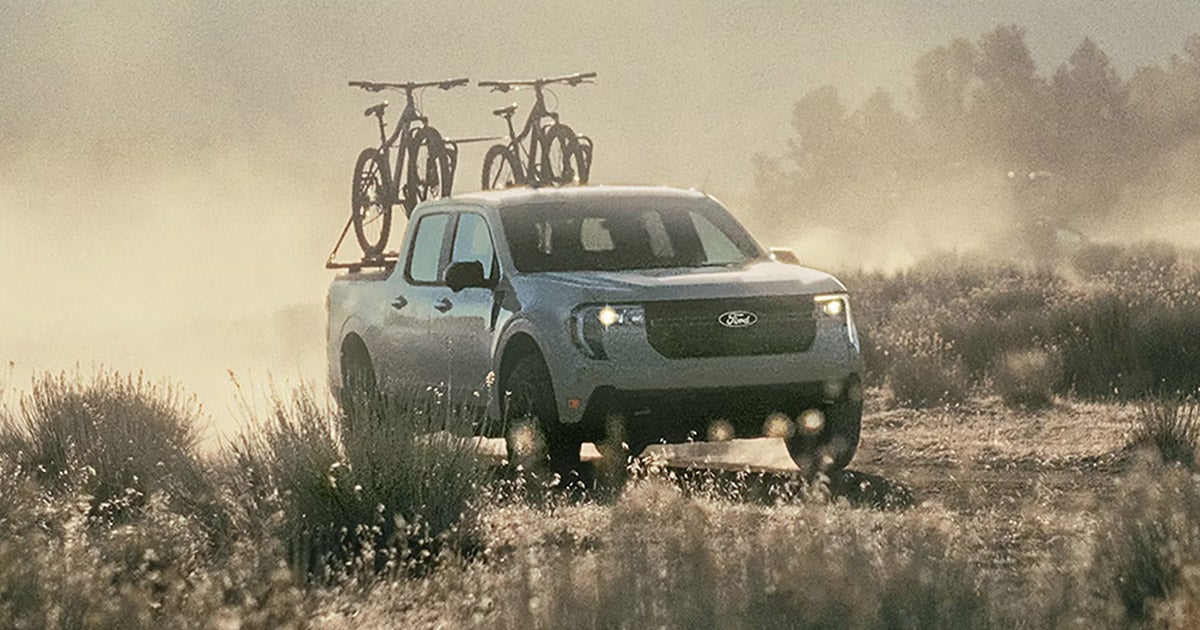
Ford Maverick pickup truck with bicycles on roof rack, driving through misty grassy field at sunrise

Road Trip Tips: To-Do Before Your Summer Michigan Adventures

The weather is warming and you're getting antsy to head on your first Michigan adventure of the season: kayaking, hiking, vineyard touring, or camping. These activities (and more!) are more enjoyable when everything functions as expected, including your vehicle. Before you head out, ensure your vehicle is up to speed by having Borgman Ford check your necessities in a quick tune-up service appointment! Below are things you should check to ensure your adventure rides smooth in every way possible. Check Your Oil and Coolant If you're tacking on miles, ensure your oil change is up to date to preserve engine performance, and checking your coolant is essential to avoid overheating in the balmy Michigan summers. Ensuring everything is leak-free under the hood ensures a no-worry trip. Lights and Wipers Sometimes overlooked, these components are essential for navigating at night, especially in the event of an unexpected rainstorm. Check every light, including brake and blinkers, to reduce collision risk. Grab spares if it's been a while and store in the glove box to avoid nighttime safety risks! Brakes and Tires (and have a spare wheel!) Adventure driving is synonymous with encountering windy roads and big hills, so make sure your brakes and pads are in tip-top shape and that your tires have been recently aligned for optimal wear and performance. Borgman can check the details for any notable damage such as surface and tread wear, inflections, and bubbles. It's a smart idea to invest in a spare wheel for an accidental flat on the road, too. If you're not comfortable changing your own tire, keep Ford's Roadside Assistance contact information on hand for 24/7 assistance. Steering When driving, listen for abnormal engine sounds, vibrations and suspensions. Borgman offers thorough steering checks to ensure your vehicle isn't pulling you in any direction for safe navigation during long drives. Outfit Your Ford If you're interested in taking your vehicle for more than just an average road trip, consider the outfitting options available from various companies made either in partnership with Ford or endorsed by Ford. Tried-and-true brands like Yakima, Thule, and Malone make roof and bike racks for almost all car models! If you have a Ford Ranger, you're in luck; this year, Yakima released a line of accessories constructed specifically for optimizing the Ford Ranger for adventure, and include kayak racks, bike racks, truck-bed storage solutions, and truck-bed tents. If you need help installing any of these items, don't hesitate to ask your service professional at Borgman Ford! Pack your bags, organize your car, and check off each of the safety to-dos above, and you're ready to ride. Your Borgman Ford service specialists are eager to assist in summer-adventure prep. We're dedicated to ensuring your Michigan Adventure is as safe and smooth as possible. Schedule an appointment today and remember to check our monthly service specials - we look forward to serving you!

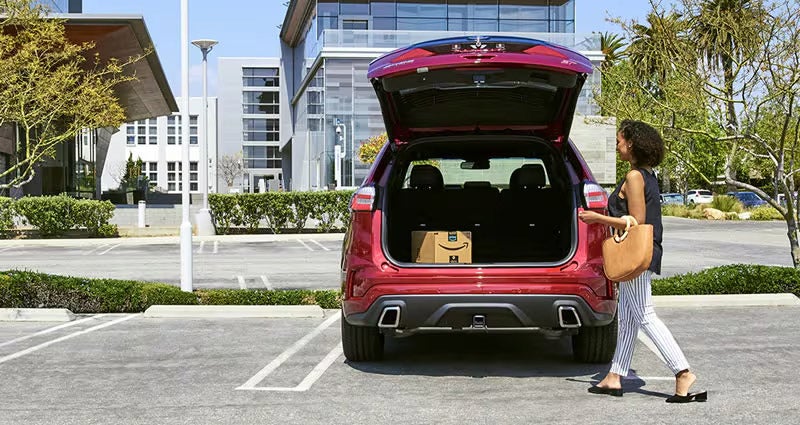
Ford SUV with open trunk in parking lot, person loading Amazon package near modern building with landscaping

FordPass Users Can Now Have Amazon Packages Delivered To Their Ford

Borgman Ford is excited to share a new feature of the FordPass App! Thanks to a recent integration with Amazon Key, a service that grants temporary access to your home for securely delivering your Amazon Prime packages, Amazon is now able to deliver those directly to your Ford Vehicle as well. The FordPass App puts you in control of the process without the need for you to micromanage every step. Using the same technologies you use to lock, unlock, and locate your vehicle, Amazon last-mile personnel will be able to temporarily do the same - ensuring your delivered goods are safe and secure. The process looks like this: Amazon Prime customers with a FordPass-equipped vehicle would select this delivery option at checkout. Once the package is out for delivery, the courier would be sent GPS Coordinates to the location of your vehicle, and their device would be allowed to unlock your trunk. After the package is placed securely inside, they will then be prompted to lock your vehicle and you will be sent a notification. This confirms both the successful delivery and that your vehicle has been locked. Though you'll set a delivery window beforehand, you'll be able to reschedule or modify aspects of your delivery too. For instance, if you needed to leave for an unexpected meeting across town during the workday. This recent addition only adds to the suite of features available on the FordPass App with connected Ford vehicles. Read more about FordPass here, or download the app on the Apple App Store or Google Play Store to see for yourself. Explore Other Benefits of the FordPass App at Borgman Ford in Grand Rapids, MI If you're curious about all of the latest features available in the 2019 Ford Lineup, or Borgman Ford is your home for the latest in FordPass-Equipped Vehicles and support. Our friendly Sales and Service staff are here to help you stay better-connected while cruising around Grand Rapids and West Michigan this summer and make sure all of your questions are answered. If you're new to the FordPass App, we'd be happy to show you all of the exciting features included, such as the ability to lock, unlock, and start your vehicle from your phone, set up speed and geofencing alerts, locate your car in a crowded parking lot, and more. We'll also be happy to guide you through setting up in-vehicle delivery with your Amazon Prime Account too! Ready to get started? Stop by anytime for a visit and check out our lineup of New 2019 Ford Vehicles, or inquire about upgrade options - we'll be happy to help! While you're here, you can make sure your vehicle is in tip-top shape over at our Service Center, and feel free to take your favorite New Ford vehicle out for an extended test drive with our Day Trader Program. Come see what makes Borgman the Best in the West!

Contact Us

Fill out this form below and we'll contact you shortly
*Required Fields