
Blog / Service

Blog

All Service News New Inventory Community Events Fleet Parts Social Green Ford Information Body Shop Grand Rapids Ford Dealer People Finance Pre-Owned Inventory
dac91b8873aa85559f558528b32162b7x

Tao of Towing: Keeping Your Brakes Cool on Your Next Adventure

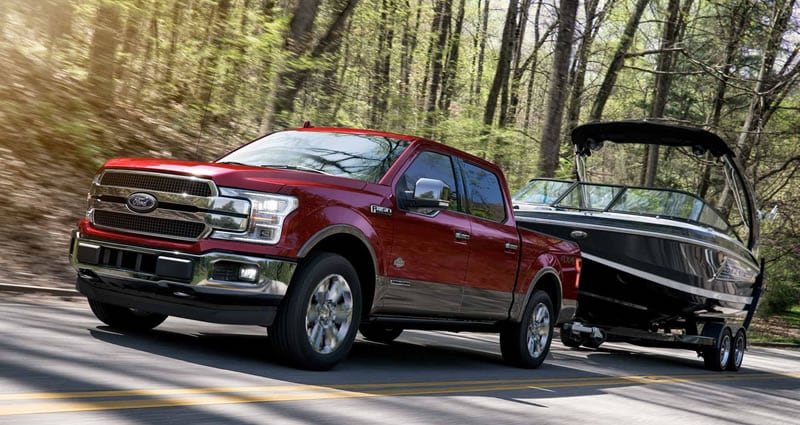
Spring has sprung in West Michigan and soon many intrepid adventurers will be hooking up their trailers and towing boats, campers, dirt bikes, and other gear all across our fair state. Bringing the right vehicle for the job and equipping it correctly is an important step, but as we discussed in our last Tao of Towing article, there's a little more to it than making sure you, your gear, and other motorists stay safe during the journey. A Quick Refresher on How Brakes Work When Towing, Brake Heat Management is Key Today, we're going to dig a little deeper into braking, and some techniques you can master that will not only save you in maintenance costs but help you tow safer out there as well. We did a deeper dive on this in our post about your vehicle's braking system, but here are the short strokes. When you press the brake pedal, a hydraulic system squeezes the brake rotor, a metal disc attached directly to the wheel. The calipers use brake pads to do the gripping/squeezing, slowing the wheel and bringing the vehicle to a stop. This is a disc brake setup, and drum brakes work on a similar principle. We're going to focus on disc brakes for today, as they're more common and actually more heat-efficient. Remember in elementary school when the teacher told everyone to rub their hands together for a minute to generate heat to demonstrate the concept of friction? With your brake pads (which are stationary) being pressed against the rotor (which is spinning,) you're going to generate a lot of heat through friction when slowing the vehicle down. Disc brakes have an open design so under normal conditions they keep relatively cool. What Happens When Brakes Are Overheated Here's the kicker: how fast your vehicle is moving and how much it weighs both determine how much time it will take to bring it to a stop, and how much heat is generated in the process. So if you're towing and braking downhill, heat is something you need to try and minimize to prevent premature wear of parts or create an unsafe situation. Ford Trucks and SUVs can handle it, but to get the most out of them you do need to take this into account while towing. Excess heat can disrupt your brake performance and damage components. When the brake pads reach a certain temperature, they start to smooth over and lose their grip - known colloquially as "brake fade." This is usually temporary but nonetheless can be dangerous if your brakes are taking longer than you expect to slow you down. Repeatedly putting them in this condition can start to form a glaze on the pads and the rotor, and that can be permanent. Driving Habits While Towing to Keep Your Brakes Cool Other issues that can arise from repeated overheating are cracks in the brake pad, warped rotors, or even fluid leaks. Damaged axle seals are somewhat unrelated here, but they can throw grease onto the rotor, making it slippery and reducing performance. There are other variables as well, such as damage from going through a cold puddle with superheated rotors. Mostly, just being aware of the fact that your brakes generate heat while towing is enough to lend context to what you can do to keep it from snowballing. One trick truckers use to save their brakes while going down a big hill is to bypass them altogether, using a technique called engine braking. If you're driving a manual transmission or have a SelectShift automatic, you'd select the gear below the one you're in and use the engine to slow the vehicle instead of the brakes. You can then use the brakes as needed. Be aware that this is noisy, so please don't do it in residential areas. If you need to brake hard with a trailer, some newer Fords have features that will help control the trailer brake automatically. Just keep your eyes on where you want to end up and undershoot by about 50-100 feet. Then, when you're close to that mark, let off the brake to let the vehicle creep forward the rest of the way. This spinning allows the brakes to let off all that heat before being reapplied to keep the vehicle at a stop. Braking hard and then stopping in place, especially with a trailer, can then trap heat in one spot on the rotor, leading to warping or cracking. Towing Something On Your Next Adventure in West MI? Trust the Experts at the Borgman Service Center The key to making your brakes last longer while towing is to think of your stopping distance as a finite resource. After you get comfortable towing, you build up a sense of what your safe stopping distance is. If you find yourself running out of runway a bit while towing, or it's been a while since you've last had your brakes checked, it's definitely time to stop by the Borgman Service Center in Grand Rapids, MI. Our highly-trained technicians will thoroughly inspect your braking system for signs of wear, heat damage, and leaks. We'll be looking over all of your other vital systems as well, to make sure your next adventure is fun, worry-free, and safe. Please feel free to ask your Borgman Service Advisor any questions you may have about your vehicle - we're more than happy to help. Be sure to check our specials page for the latest Service Center Coupons, use our easy Online Appointment Scheduler, and Contact Us if you have any questions. Come see why we're the Best in the West!
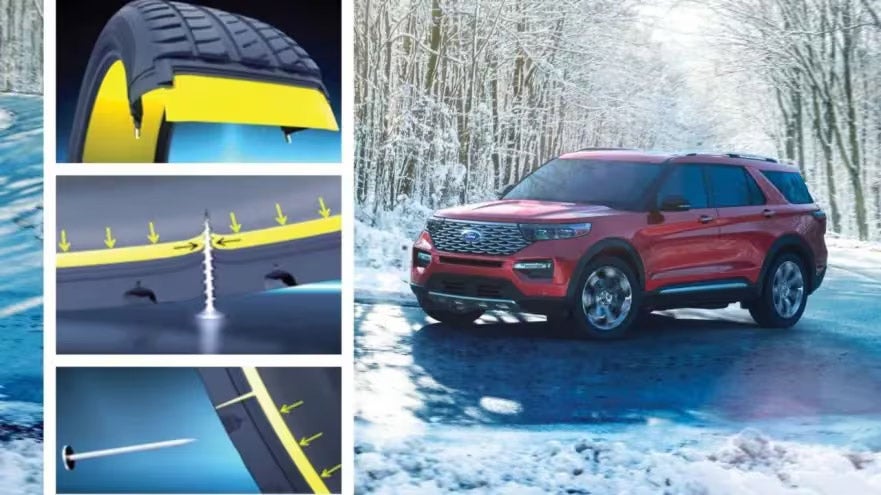
Ford Explorer SUV in red, driving through snowy forest with cross-section images of advanced tire technology and winter traction

New 2020 Ford Explorer Platinum Will Include Puncture-Resistant Tires

Nothing brings a West Michigan road trip or a morning commute to a screeching halt like a flat tire. Borgman Ford in Grand Rapids sees our fair share of tire punctures in our Service Center, ranging from things we're able to patch to utter catastrophes. Running over something like a nail happens to the best of us, and that's why we're pleased to share that some trim levels of the 2020 Ford Explorer will come standard with Michelin Safeseal® tires! These tires have a special membrane inside of them that work to surround objects and fill holes in the tire tread. As the membrane is forced into the void by the higher pressure inside, the tire stays sealed long enough for you to notice and get to Borgman to have it patched. This recent article from Ford explains more about the tires and why they chose them for the 2020 Ford Explorer - due out later this year. Here are some excerpts from the article: Spare The Flat Tire Fiascos: All-New Ford Explorer Introduces Michelin Selfseal Tires Designed To Keep Road Trips Rolling In the time it takes you to read this sentence, another vehicle tire was punctured. Across the United States, flat tires will leave millions of motorists every year on the side of the road, jack in hand and gravel on knees. Now, the all-new Ford Explorer offers a way to keep road-trippers on track as they #ExploreOurAmerica in the form of new Michelin Selfseal® tires. Designed to withstand common nail and screw punctures, these environmentally friendly tires are lined with a natural rubber sealant to fill most tread punctures and dramatically slow the rate at which air leaks - helping ensure your road trip continues without interruption. "Nothing derails a family vacation like a flat tire," said Joseph Billman, Ford wheel and tire engineer. "Explorer is the ultimate road trip family hauler - and it's the perfect fit for these new Michelin Selfseal tires." Explorer is the first SUV in the world to offer Michelin Selfseal tires, which are standard on Explorer Platinum and Explorer Limited Hybrid four-wheel-drive models, and optional on Explorer Limited two-wheel-drive and four-wheel-drive models. "The all-new Explorer is designed to help our customers feel unstoppable and worry-free," said Craig Patterson, Explorer marketing manager. "The availability of these new Michelin Selfseal tires is another great example of that." Get Adventure-Ready at Borgman Ford in Grand Rapids You can read the full article by visiting Media.Ford.com. If you're planning your next big adventure in West Michigan and need a vehicle that's up for the challenge, visit Borgman Ford today! We have a huge selection of New Ford SUVs of all sizes and configurations, so there's sure to be one that matches your towing needs, off-road capability, passenger or cargo capacity, and budget. If you're chomping at the bit to get behind the wheel of the New 2020 Ford Explorer, Contact Us soon and we'll let you know when they arrive later this year, or help you build your own! If you found this post because you need new tires, the Borgman Service Center has a huge selection of new tires from name-brand manufacturers including Michelin - check our latest Service Specials and Schedule Your Appointment Online. Come see why we're the Best in the West!
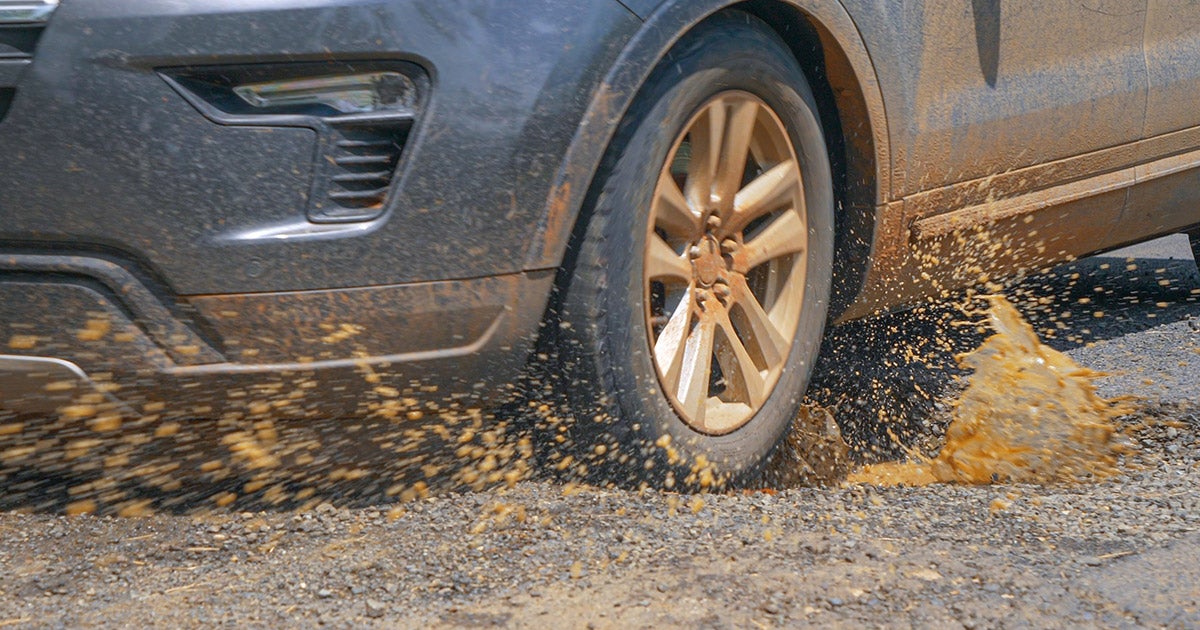
Ford SUV tire kicking up gravel and mud on rough terrain, showcasing off-road capability and rugged performance

Pothole RX: Which Parts of Your Vehicle Could Be Damaged

Every year when the snow starts to melt, West Michigan drivers welcome the more agreeable weather but know it comes with a cost: potholes will soon be everywhere. We might subconsciously memorize and avoid ones on our daily commutes, but there's a chance that sooner or later you're going to drive through one. There are steps you can take to minimize the damage they cause to your vehicle, but it's important to understand what could be affected. How Potholes Can Damage Your Tires Knowing, identifying, and repairing pothole damage to your vehicle early keeps your repair bills down, so in this "Borgman How To," we're going to cover which parts are vulnerable and what function they serve - so you can sense when they need attention. The reason your vehicles have air-inflated rubber tires is (generally speaking) because they deform to the road surface. This gives you better traction and absorbs a good portion of the road noise and bumps by acting as a cushion. Making sure your tires are properly inflated to the correct pressure goes a long way toward lessening the impact of hitting a pothole. However, if your tires aren't filled correctly, you run over a larger pothole, run over one at high speeds, or if you hit one on an angle, it is possible to damage your tire. If the tire is struck hard enough head on, both the compression and shock could create tears in the inner lining. This is known as a sidewall breach, and you can often feel the bulge of air with your hands. If the tire is struck like that again, it could very well blow out. How Potholes Can Damage Your Rims How Potholes Can Damage Your Suspension If you run over a pothole on an angle, these are impacts the tire was not designed for and it could do more immediate and severe damage. This includes taking chunks out at the tread, splitting, cracking, or in severe cases blowing them entirely. If you hit a pothole hard enough that it spills your coffee, the best thing to do is safely pull over and check your wheels for damage. Your rims could be damaged by a nasty pothole too, we'll cover that next: Unlike tires, rims are not supposed to be flexible and if they take a big enough hit, they will bend, crack, or in some cases shatter. The most extreme cases come from vehicles with low-profile tires or tires that are under-inflated. If a rim takes damage from a pothole, there's a good chance it has been compromised and will not be able to hold air. Your suspension's job is to distribute the weight of your vehicle and absorb shocks or vibration from the wheels. When the impact from a pothole is more than they can handle, parts can become bent or fail altogether. In most setups, the front suspension consists of a MacPherson Strut which is connected to the body/frame at the top and bottom, the wheel, and to the steering control arms. The strut has a shock-absorbing cylinder within it that uses compressed oil or air to control the speed of the wheel moving up and down. A large spring coiled around this shock holds the body of the vehicle up off the ground. Pothole impacts can damage that shock absorber, damage steering components like control arms, knock your wheels out of alignment, or bend/break other front-end parts. You can usually "sense" this has happened because the vehicle will make new noises when going over bumps, pull to one side, the steering wheel could be crooked, or it could be bumpier or louder than usual in the cabin. Potholes Can Damage Other Parts Too Where Do Potholes Come From? How Do You Prevent Pothole Damage? Severe pothole damage to your suspension is less common, but when it does happen it can be expensive. Depending on your auto insurance policy though, you may be able to claim the repair as a collision. We can certainly help you navigate this, but it's important to check your policy beforehand to clear up any assumptions. While the wheels and suspension often get the worst of it, low-stance vehicles like sporty sedans can "bottom out" if the pothole is deep enough. This can result in dragging exhaust parts like the muffler, catalytic converter, or exhaust pipe on the pavement. Parts of the body can be damaged too, but usually, it's just the plastic plate protecting the bottom of the engine. These are easily replaced, and we often have them in stock. During the warmer days, the ice on the road melts and seeps down into the cracks in the asphalt. After nightfall, when the temperature drops back below freezing, the water turns back into ice and expands with more than enough force to shatter the pavement, which then allows more water into the cracks. This cycle repeats until enough water can get in to wash away the earth below, and then the pavement collapses into a crater. From there, a pothole only gets wider and deeper until it's repaired. Since there has been a lot of freezing and thawing going on all winter, you're likely to see more than a few potholes while out and about. While running over a pothole isn't ideal, sometimes it's unavoidable. The best thing you can do to prevent severe damage is to make sure your tires are properly inflated - especially since the changing temperatures will affect the pressure in your tires. The rule of thumb is for every 10oF change in temperature, the pressure in your tires changes by 1 psi, but your mileage may vary so check them often. Hit A Big Pothole? Have Your Vehicle Inspected at the Borgman Service Center in Grand Rapids, MI If you absolutely cannot avoid a pothole, slow down as much as possible and release the brake just before impact. Make sure you drive straight through because as we mentioned above, hitting them on an angle can wreak havoc on your tires. Wait for the rear wheels to clear before getting back up to speed. If the impact made you cringe, pull over as soon as it is safe to do so and inspect your wheels for damage. Pothole season has been an unfortunate fact of life in West Michigan for decades. If you've run over one recently and it's causing some concern, Schedule an Inspection today at the Borgman Service Center and put your mind at ease. Our highly-trained and friendly staff will inspect your vehicle for signs of damage and will make honest recommendations based on what they find. If you have any questions about your vehicle, our advisors will be happy to sit down during your appointment and answer them for you. Come see why we're the Best in the West!

a8bcdcadf37c3185527408a30f162892x

Borgman How To: Pre-Spring Vehicle Checkup

With the West Michigan winter weather's ups and downs this season, we're going to be seeing more and more potholes spring up around Grand Rapids. While drivers can learn to spot them and move around them, sometimes it just isn't safe to do, or they're hidden beneath puddles. Striking one of these isn't subtle, and hitting enough of them will do damage to your wheels and suspension. Between this and the salt spread on the roads, winter can take its toll on your vehicle. Hit a Pot Hole? Here's What To Watch For: Hopefully spring is right around the corner, and the Borgman Service Center can help you get your vehicle ready for the warmer weather. Our highly-trained staff will inspect your vehicle for suspension damage, check your fluid levels, replace your ice-damaged wiper blades, align your wheels, and inspect your vehicle top to bottom for other winter-related concerns. In this Borgman How To, we'll cover some easy things you can do yourself to scrub the salt from your vehicle inside and out, and explain how to tell if you need to bring it in for more than a checkup. Potholes are formed when water seeps down between the cracks in the pavement and washes away the soil beneath. When the water re-freezes, it expands and breaks up the pavements making pits. Since there has been a lot of this going on this season, you're bound to see a few of them while out driving in West Michigan. While making sure your tires are properly inflated and your suspension is aligned can help protect your vehicle if you hit one, it's still best to avoid them if at all possible. There are a few components they get the worst of it when you hit a big one or at high speeds, and those are your tires, wheels, and suspension. The sharp edges of a pothole can strike the tire at angles they're not designed for, causing sidewall breaches or separating the treads. Rims can become dented and let air out if the tires aren't fully inflated, and suspension components can become bent or misaligned. Spotting the first two issues is pretty straight-forward: if the tire doesn't go flat you'll be able to see a dent in the rim by crouching down to look. Be sure to check both sides very carefully, and sometimes it helps to move the vehicle a little bit to rotate the wheel. When in doubt, Contact the Borgman Service Center as soon as possible for an expert inspection. How To Remove Salt and Winter Buildup From Your Vehicle Body Catching suspension damage is a little more nuanced, as sometimes it manifests itself gradually. Symptoms of damaged or misaligned suspension include uneven tire wear, squeaking or clunking while turning, a rougher ride, or just "something feeling off" about the steering. These issues can lead to even bigger, costlier issues if left ignored, so if you suspect something isn't right Schedule an Appointment right away. Salt, and compounds like it are torturous to vehicles, but they're necessary to keep motorways free of ice in the winter time. Unfortunately the treated water works its way into the underside of your vehicle and promotes rust. Frequent car washes guard against this, but what they can't do is remove contaminants from the paint job itself. Little bits of dirt and gunk work their way into tiny scratches in the clear coat and will eat away at it until they're removed. Once the weather warms up, this is something you can do yourself. How To Lift Salt Stains From The Interior Carpeting After washing the car, use a detailing clay kit on every inch of the body work to pull this stuff out before buffing and shining. Spray an area with clay lubricant and rub the clay back and forth across this spot to pull the contaminants out. Once you stop feeling resistance, that spot is clean. Rework the clay and move on to the next spot. Follow the directions on the box carefully, as you'll also need to seal the paint when you're done with a good waxing. Unfortunately those of us with black carpeting in our vehicles notice it first, but the salt water we track in with our shoes will dry, leaving unsightly salt stains behind. These aren't easy to remove, but it's not impossible to do yourself. All you need is some white vinegar, a scrub brush, a spray bottle, and some water. Remove the carpet floor mats from the vehicle first, as there may very well be stains below them too. Spray the affected areas with the vinegar/water mixture and gently brush the stain. Blot the area with a dry towel to pull the salty water out, repeating as necessary. Remember not to scrub too hard as you'll damage your carpet. Wipers, Fluids, and Other Components That Need To Be Inspected Vinegar works really well here but if you're put-off by the smell, there are a number of different carpet cleaners in the automotive section of the supermarket. Follow the directions on the can, but they usually involve spraying foam onto the area, loosening the stain with a brush, and vacuuming up the residue when it dries. It often takes about 2-3 times to get it out, but your mileage may vary. If you'd like to permanently skip the floor mat step of this yearly ritual, visit Borgman and ask about all-weather floor mats for your vehicle. Windshield wipers are usually the first thing you'll notice need replacing in early spring. They'll streak, squeak, and if the winter ice has really done them in, they'll split and crack. Don't wait for more rain or sleet to let you know it's time for new ones, and visit the Borgman Service Center for a fresh set. Having us replace them ensures you're getting the exact size your vehicle needs, and they'll be replaced with high-quality Motorcraft wipers. While you're here, it wouldn't be a bad idea to have our technicians check all of your fluid levels, change your oil if it's getting to be about that time, and inspect all of your belts and hoses for cracks or signs of wear. After our inspection is complete, we'll give you a full run-down of the condition of your vehicle, including the tires, brakes, battery health, possible leaks, and more. Check out our latest Service Coupons, Schedule Your Appointment Online, and come see why We're the Best in the West!

2764dea89e21879f70173a884d6c311dx (1)

Borgman How To: Simple Auto Battery Care Tips

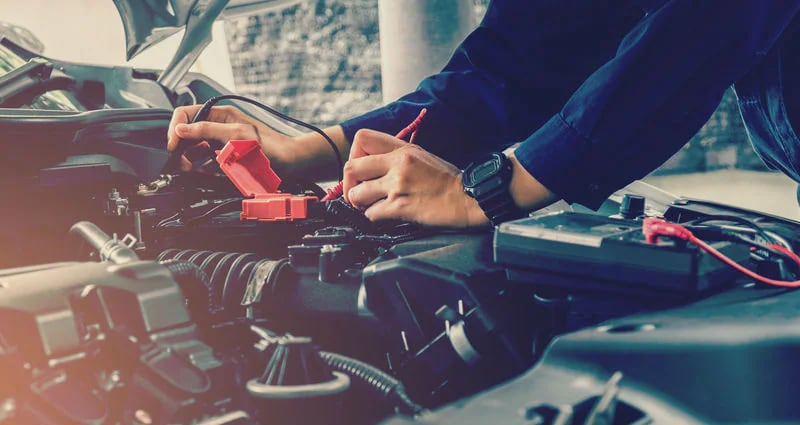
A Guide To Caring For Your Auto Battery in West Michigan While this year's winter (so far) has been milder than most, that doesn't mean some of us won't have issues with our car batteries in the West Michigan cold. This cold weather can slow down the chemical reaction that makes batteries work, but unless we're in sub-zero temperatures, having trouble probably mean it's time to visit Borgman for a new one. However, there are things you can do to prolong the life of your battery, and knowing the different parts might be the difference between getting some extra time out of one or needing a replacement. Why Does a Vehicle Have a Battery? In this Borgman How-To, we'll get you comfortable with the parts and terminology of batteries, as well as a couple of owner tips to get you (or someone else) out of a battery-related jam. Hopefully, we're all familiar with what an electrical battery is and what it does. Just like the tv remote control or your smartphone, your vehicle needs electricity from a battery to operate, but unlike these two things, it can generate its own once it's running. Auto batteries serve two main functions within a vehicle: You might hear auto batteries referred to as SLI Batteries (Start, Light, and Ignite.) This is more of a class of batteries and refers to three main uses for them. They're designed to deliver short bursts of power. Other Functions of Batteries How Do I Take Care of My Vehicle's Battery? When you start your car, the battery discharges about 400 amps of stored current to the starter motor, giving it more than enough juice to start turning the engine. As the engine gets moving, it goes through its various stages until combustion starts. While an engine is running, the rotation is used to power accessories via a serpentine belt. One of these is an Alternator and generates electricity while the vehicle is running. This power is used primarily by the spark plugs, but also every other device in the vehicle that needs electricity. The alternator also recharges the battery for next time. Batteries perform other smaller functions too, such as supplying extra power when the alternator is operating at full capacity, protecting the electrical system from voltage spikes, and keeping various systems alive when the engine is off. These "keep alive" functions include the clock, control modules for the engine and transmission, diagnostics, the security system, and more. Maintaining a battery is pretty easy these days, as it's more about good habits. It used to be that some batteries, often referred to as "wet-cell" would lose their electrolytes after a while and need to be topped up with water. Almost all modern batteries are sealed, so this isn't necessary. Under normal use, a modern battery should last about 5 years with minimal maintenance. How To Clean Corroded Battery Terminals in Your Vehicle How To Use Jumper Cables While SLI batteries are designed to deliver a lot of power at once, they do not like to be drained all the way. This is referred to as a deep discharge, and each time it happens it shortens the life of the battery. While we can guard against this by ensuring accessories and lights are turned off after use, a dead battery can happen to the best of us and once or twice usually isn't a big deal. After a few years of use, you might notice what looks like salt growing on the posts of the battery. It is the battery leaking acid and corroding, but it doesn't always mean the battery needs replacing just yet. If you're having trouble starting the vehicle and there's corrosion on the battery, this is something you can clean up in about 20 minutes. All you'll need a wrench, baking soda, an old toothbrush, a tub with hot water, and safety gear. Park both vehicles with their engine compartments facing each other and make sure both are turned off. The easiest way to remember how to connect them is to work your way around in a circle, beginning and ending with your vehicle. Also, try not to let the ends of the jumper cables touch each other. Make sure both vehicles run for about 30 minutes after the jump. This gives the alternator time to recharge the battery. If your vehicle stalls at some point after a jump, it could mean your alternator needs to be replaced, or point toward different ignition issues. Have the experts at Borgman take a look and make the necessary repairs. Having Battery or Electrical Issues? Trust The Experts at the Borgman Service Center If your vehicle is having trouble starting, running, or you're having any other issues, the highly-dedicated and expertly-trained staff at the Borgman Service Center are here to help. Use our easy Online Scheduler to make your appointment online or feel free to Contact Us by email or phone to discuss your vehicle. Our customer service is what sets us apart. Come see why we're the Best in the West!
8678d013b588faa5382db31364b42147x

Borgman How To: Understanding How Winter Tires Work

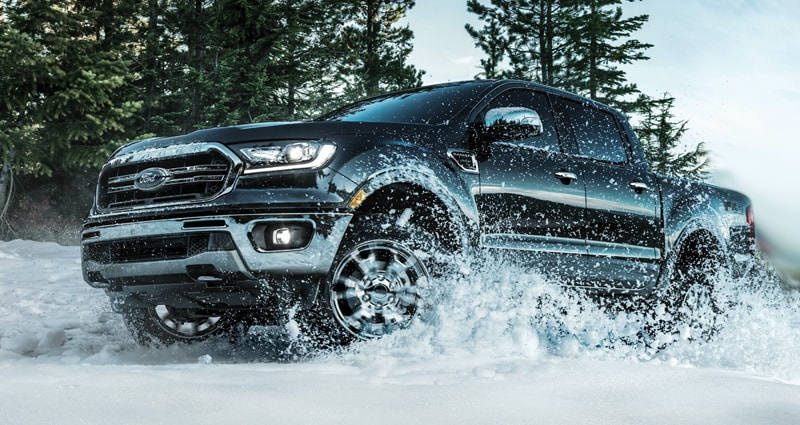
Is All-Wheel Drive Enough For West Michigan Winters? We've already had our first major snowfall in West Michigan this season, and we hope everyone made it to their destinations safely. It's probably not a stretch to say some of us had some trouble getting traction from a stop, going around corners, or braking downhill. The biggest factor in being able to maneuver in the snow and ice isn't all-wheel drive, it's your tires. In this Borgman How To, we'll teach you everything a smart West Michigan shopper needs to know about winter tires including how they're formulated, designed, and perform. All-Wheel drive is popular in our part of the country, mostly because of the advantages it provides when the weather turns on us. With a set of all-season tires on, they perform reasonably well in most situations. That being said, it's only a piece of the puzzle. Powering all four wheels independently can help if one loses traction and the others have grip, but it doesn't do much good if you're driving on a sheet of ice or through deep snow. This might surprise a lot of folks, but an underpowered front-wheel drive car with winter tires can and very often will out-perform an all-wheel drive counterpart with all-season tires. This isn't all because of physics or driving dynamics, it's because tires are your only interface with the road, and bringing the right tool for the job (the temperature & conditions) is what makes the biggest difference. What Makes Winter Tire Rubber Different What Are The Different Types of Winter Tires? That being said, equipping an all-wheel drive vehicle with winter tires is that much better. In the sections below, we'll explain why and how this is. Tires aren't simply just rubber rings we put on our wheels. A great deal of engineering goes into making them, and the chemical makeup of winter tires is carefully dialed-in for optimal performance in lower temperatures. To contextualize the difference between summer and winter tires, here's what you need to know: As rubber warms up, it becomes more pliable and flexible, and as it cools, it becomes stiffer. Warm, flexible tires conform more to road surfaces and thus generate more friction, or "grip." As the air temperature drops, tires get firmer and lose this trait. This leads to skids, poor stopping distance, and trouble getting moving in cold, slippery conditions. The biggest advantage of winter tires is that the rubber is specifically formulated to stay flexible below freezing temperatures, therefore preserving their ability to grip the road and take full advantage of clever tread designs. There are three main types of winter tires you'll see if you're doing some research. What's Different About Winter Tire Tread Patterns? If you look at a winter tire's treads, they will look a little bit different than summer or all-season tires, but they're not as aggressive as they used to be. Back about 15-20 years ago, winter tires had very large and widely-spaced treads. These did a great job of finding grip in the snow but were loud and uncomfortable to drive on. As we outlined above, the bigger problem was with the rubber, and you'll find that modern winter tires offer comparable ride quality to summer tires. Now, the industry trend is to design treads that whisk away water between the tire and the road, which is the main cause of wheel slip and nearly eliminates hydroplaning. You might also see things like tiny, horizontal grooves cut into the tread blocks themselves, and these also serve a purpose. With the rubber being more flexible at lower temperatures, these will actually widen when they come into contact with the pavement. It seems a little odd, but their purpose is to pick up snow and make it cling to the tire. Snow on snow actually grips pretty well - think of it like rolling a snowball to make a snowman. It will naturally fall off if the road conditions change. Why Do Winter Tires Look Thinner? Note: Some tire shops may offer a service called "tractionizing," where tiny holes or grooves are cut into a winter tire to improve performance on ice and snow. Unless you're entering your vehicle into a winter road rally, this is completely unnecessary and dramatically cuts the life of your tires short. Tire manufacturers ship winter tires with the precise optimization needed for everyday city and highway driving. You might notice that winter tires appear to be a little thinner than all-season or summer tires, and that's because some of them are. This is intentional, and often winter tires are mounted on their own dedicated, thinner rims. In the summer, you want more of the tire pushing against the ground to spread the total force of the wheel evenly. In the winter, you don't want all that extra tire trying to overcome a pile of snow (remember that snow is sticky, and once you start to dig it only gets worse.) This is an extreme example, but it's easier to move through a snow bank with a pizza cutter than it is with a rolling pin. Are Winter Tires A Good Investment? The Borgman Service Center can help you select thinner rims and dedicate them to your winter tires. Ensuring the combined dimensions of your rim and tire match the vehicle's specifications is important for maintaining predictable performance, correct fit (so the tires don't rub against the wheel well or suspension components,) and to preserve the accuracy of the speedometer, anti-lock braking, stability, and tire pressure monitoring systems. The only person who can decide of winter tires are worth it is you, taking into account your level of comfort driving in winter, which part of West Michigan you live in, what sort of road conditions you often drive in, and whether you have the space to store them properly. The initial expense is a little higher, though ultimately the vast majority of people save money in the long run with the added benefit of safety. There may be an impulse to only buy two winter tires for the drive wheels to save money, but for serious safety reasons you absolutely should not mix-and-match. The added cost for comes from buying a second set of rims specifically for your winter tires. Note that a good set of rims will often last for longer than you own the vehicle, and add value by making the swap between wheels in the spring and fall much quicker. Also, mounting a tire once or twice isn't a big deal, but repeatedly changing the tires between one set of rims can cause stretching or cracks - wearing them out faster. By switching these wheels in response to the seasons, you're not only driving safer in the West Michigan weather, you're not going to need to buy new tires as often either. This is both because they're only being used one set at a time (obviously) and because summer or all-seasons are more likely to wear faster in the cold. Upgrade to Winter Tires at the Borgman Service Center in Grand Rapids, MI If you're ready to upgrade to a set of winter tires, or just want to see which ones are available for your vehicle, visit the Borgman Service Center today and talk to one of our tire experts. We'll show you tires that will be the exact fit for your vehicle, the best performing ones for your typical winter commute, and give you the best deal possible with the latest tire deals. Should you decide to make the switch, we'll happily swap them for your all-season or summer tires in the spring and fall too. Remember, we're here for all of your automotive needs. Schedule Your Appointment online today and come see why we're the Best in the West!
713194fd954d5abb00dbff4ce8ae360cx

Borgman How To: Two Great Winter Holiday Gift Ideas For West Michigan Vehicles

The snow has finally arrived in Grand Rapids, and the Borgman Service Center is here to help keep you on the road all winter long. There are a few things a lot of West Michiganders do when winter arrives, such as change over to snow tires, check their emergency kits, and more. Rust & Corrosion Protection This month, the Borgman Service Center is showcasing two other options available for the upcoming winter: professionally-installed rust protection, and smartphone-enabled remote start. These both make driving in our winter wonderland easier and are great gift ideas too! Read more about each below. Borgman Ford maintains a relationship with Great Lakes Chemical in Grand Rapids, MI. They are our trusted partner for professionally-applied treatments and coatings such as Diamon-Crystal for windshields, paint protectors, rust proofing, and more. Many of our customers choose one or more of their services when they buy a vehicle from us, but it's not unheard of to have our service department handle it for you too. Remote Start Systems During the winter your vehicle's body panels, subframe, suspension components and more are exposed to rock salt and other ice-melting solutions. Road commissions use these to chemically melt ice on roadways, and completely necessary for ensuring they're as safe as possible. Salt mixes with the water in the ice to lower the freezing point, but it also makes the water more conductive. This faster transfer ions is what accelerates rusting, and it's even more pronounced in salt substitutes. The underside of your vehicle gets the worst of it, and runaway rust can cause problems in your suspension, exhaust, and even brake lines! Frequently visiting the car wash can help, but adding an extra layer of protection to your vehicle will lock out salt water, stave off costly repairs, and dramatically extend the life of your vehicle. The Borgman Service Center will be happy to handle the application of the latest in rust protection technology. We've teamed up with Great Lakes Chemical for this and other services. With their advanced process, there's no need to drill holes into parts of your vehicle to apply the treatment, and it will not interfere with your manufacturer's warranty. Using a specialized applicator, the technician will coat structural parts on the underside of your vehicle, as well as other areas that are prone to rust such as door sills. They will also "fog" the inside of your doors, quarter panels, trunk lid and seam, hood, and more. To for more information and a quote, visit the Borgman Service Center. Since the advent of fuel injection on the 90s and advances in motor oil, allowing your vehicle to warm up before driving it on cold mornings isn't as necessary as it used to be. That being said, the jury is out on whether the extra emissions from idling outweigh the efficiency gains of a warm engine while you're driving. At the very least, giving your vehicle about 5 minutes or so to warm up allows the climate control and defrosters to do their job, which makes you safer and more comfortable while driving. Quality Service & Upgrades For Your Vehicle in West Michigan There's still the added inconvenience of waiting for the vehicle to warm up in the morning, after work, or while out and about during the winter. To make your experience with your Ford as convenient and enjoyable as possible, the Borgman Service Center offers Ford's Remote Access kit and will be happy to install it on a compatible vehicle. This kit allows you to start your vehicle via your smartphone and includes other convenience features too, such as mobile alerts from the anti-theft system. To learn more and to see what solutions are available for your vehicle, visit the Borgman Service Center. Whether you're thinking of adding upgrades to someone's vehicle as a holiday gift, or need a vehicle health checkup before winter hits, visit the Borgman Service Center in Grand Rapids, MI for affordable offers and unparalleled customer service. We'll review which solutions are compatible with the intended vehicle and lay your options out for you, but will never pressure you to buy. If you need a pre-winter check up, our trained technicians will carefully inspect your vehicle's systems for cracked hoses, leaks, and other worn components - replacing them with the highest quality parts available at an affordable price. Visit our Service Center page and make your appointment online today. Come see why we're the Best in the West!

Auto technician replacing windshield wiper blade on Ford vehicle during routine maintenance service

Borgman How To: Windshield Wipers & Treatments Compared for West Michigan

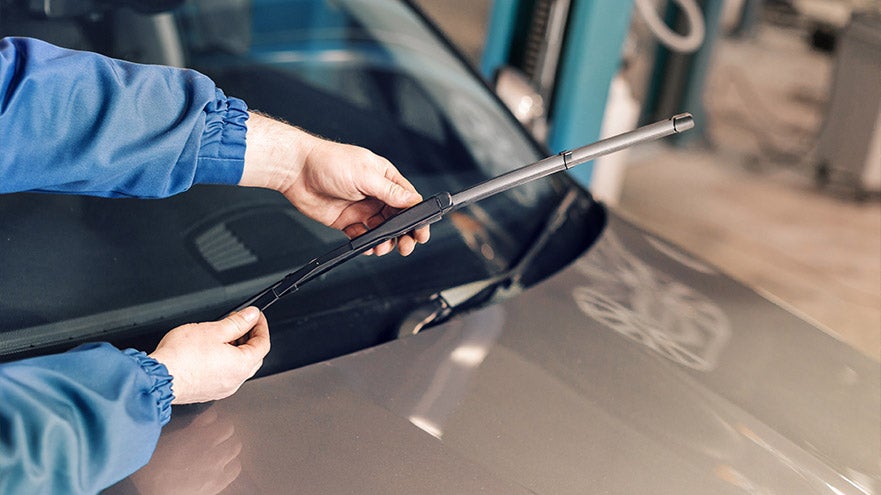
The Borgman Service Center is committed to serving all of your automotive needs. This includes ensuring your vehicle's safety features are performing their absolute best. Being able to see clearly through your windshield is pretty important, especially since rain, snow, and foggy mornings make driving conditions a little more dangerous. The problem is, it often isn't something we think about until it becomes an issue. Choosing The Right Wiper Blades There are two fairly simple and inexpensive approaches you can take to ensure maximum visibility during a West Michigan rain or snow storm. In this Borgman How To, we'll be taking a look at high-quality wiper blades and windshield treatments, comparing them, and helping you determine which is right for you. Windshield wiper blades seem simple, but there are a few things to consider here, including the material the blade is made from and the construction of the assembly. Some wiper manufacturers will use natural rubber, synthetic rubber, or coated rubber on their blades. While there isn't a huge difference in performance, synthetic rubbers like silicone will last much longer than natural rubber but will cost more. Blades coated with Teflon or graphite present a happy medium - costing somewhere in the middle while granting the benefits of silicone blades. Other blades might use a mix of natural and synthetic rubber too. The construction of the blade assembly also plays a part. Lightweight frames will make your wiper motors happy, while clever designs will create downforce as air moves over them, which keeps them effective at high speeds. The frame also ensures that the pressure on the blade stays even across its full length - preventing streaks. Diamon-Fusion Windshield Treatments Choosing which wiper blade is best for you is purely a preference versus cost question. For example, Motorcraft makes three different types of wiper blades. One that's an excellent all-season wiper blade, a more premium wiper blade with specialty coatings and wear indicators, and a wiper designed specifically for winter. While having operational wiper blades on your vehicle is an absolute must, windshield treatments like Diamon-Fusion coating are elective. Whether or not you think they're necessary is entirely your call. However, it's worth noting here the major benefit of having your windshield coated: you'll use your wipers less, especially during those "will it actually start raining or won't it?" moments. Droplets of water "stick" to your windshield because the surface of the glass isn't perfectly smooth - at least not on a microscopic level. This texture gives the droplets a surface to hold on to in a sense, so what Diamon-Fusion does is help smooth these out. After treatment, raindrops bead up and roll right off the windshield while the vehicle is moving. This eliminates the need to constantly adjust your wiper interval during intermittent rain. The coating is 100% transparent, improves windshield clarity, and is guaranteed to never yellow or blister. It guards against chips and haziness and helps reduce nighttime glare too. For more information, visit us and ask about Diamon-Fusion application and other services provided by our friends at Great Lakes Chemical. Some will opt for the DIY approach with these treatments, and that's fine. In our experience though, these often need to be reapplied every few weeks. The Diamon-Fusion treatment is much more permanent, and has the benefit of their proprietary formula and professional application. Which Solution Is Best For West Michigan Drivers? Determining which of the above solutions is best is based entirely on your preferences. Our job is to show you what's available for your vehicle and help you make an informed decision. During the fall and going into winter, we generally feel that customers see more value in premium wiper blades than in the late spring and summer. The tradeoff to consider with wipers is that inexpensive ones cost less to install, but will make more noise and wear more quickly. The more premium blades are quieter and will perform better for longer. Adding a windshield treatment will protect your windshield glass and help your blades last longer, but should be thought of as a supplement rather than a solution. No matter what your automotive needs may be, the Borgman Service Center is here to help. Stop by for a visit or Schedule Your Next Appointment Online. We'll listen to your needs, make sure all of your questions are answered, and help you make informed decisions about your vehicle. Come see why we're the Best in the West!
Back To School: Basic Car Maintenance Survival Guide for Teen Drivers

The Borgman Service Center in Grand Rapids is always here for your automotive needs, and a part of that means working with you as a team to ensure your vehicle is operating smoothly and safely. Parents with new teen drivers can do the same, and while teaching the basics of auto maintenance with your teen driver will make them a more aware, responsible owner, it can also be a fun bonding experience. Whether or not you have a new driver in the house, learning to care for a vehicle's various systems will help everyone stay safe on the road and stave off expensive repairs. Join us in our latest Borgman How To as we go back to school for basic vehicle maintenance! You can download a printer-friendly version of this article here for the glove box. #1. Checking Your Tires / Wheels Ultimately, tires are the single most important safety feature of a vehicle. As the sole point of contact with the road, tires play a role in starting, stopping, and predictable handling. Though it's an easy thing to forget while going to class or off to the movies, simply doing a quick walk around the vehicle gives you the opportunity to act on any issues before they become dangerous. Here are some things to watch out for: Under-Inflated or Flat Tires. To re-inflate, check proper (cold) PSI level for your vehicle's tires; it's usually printed on a sticker in the driver's side doorjamb. Worn-Down Treads or Uneven Tread Wear Bulges or Sidewall Breaches Wheels that look "off" or leaning while they're parked straight Bent or Misshapen Rims Every now and then, check and make sure the spare is inflated and in good shape Another thing to know is how to recognize a flat tire while out driving, as well as how to change to the spare. A steady “thwop thwop thwop” noise, pulling to one side, or “sloppy” turning are good indicators that a tire is low. The owner’s manual will be the ultimate authority on changing the tire, but here’s the basic procedure: Park the vehicle as far over to the side of the road as possible and turn on the hazard lights. Remove the spare tire and jack from the trunk and place the jack under the designated lift point. Don't raise the vehicle yet; use the wrench to loosen the lug nuts first. Raise the vehicle and remove the tire, then mount the spare on the posts sticking out of the hub. Following a star-pattern, incrementally replace and tighten the lug nuts - this ensures it's tightened down evenly. Lower the vehicle and tighten them more with the tire on the ground until they're as tight as possible. It's important to check them again after a short while to ensure none of them have worked themselves loose. Bring your vehicle and your tire to the Borgman Service Center as soon as possible. #2. Checking Your Oil & Fluids Under normal circumstances, the only fluids your vehicle will need regular fill-ups of are gasoline and windshield washer fluid. However, there is a schedule for replacing the other fluids that'll be specific to your vehicle with engine oil being the most frequent and important. The others include the transmission fluid, coolant, brake fluid, and power steering fluid. (Kids, blinker fluid doesn't exist. In this one particular instance, don't listen to dad.) These fluids all play a role in keeping their respective systems lubricated and cooled, so if you notice anything strange happening, this is a good place to start looking for issues. Do not open the Radiator Cap (not the same as the reservoir) on a hot engine. The system is under pressure and can spray fluid as hot as 260°F if the engine is overheating. Also, never, ever open up the air conditioning system. The pressurized gas inside is harmful and an environmental hazard. It's almost always best to check fluid levels on a cold engine to ensure accuracy. Some fluid reservoirs are translucent and have "min" and "max" levels molded into them, so it's easy to see if they're low at a glance. Others like the engine and transmission have dipsticks. To check those, remove the dipstick, wipe it clean with a non-fibrous cloth, replace it, then carefully remove it again. The fluid will stick to the tip between marked "min" and "max" areas. If something is low, fill it up with the fluid specified in your manual, taking care not to overfill. Engine oil and coolant can burn up in the engine if you have a bad gasket (burning oil typically makes black smoke out of the tailpipe, coolant makes white-ish blue) but the other systems are closed. That means if you're losing brake, steering, or transmission fluid, you probably have a leak. You can use Borgman's online scheduler to make an appointment with our Service Center and have our experts find it. One more thing worth mentioning: if your engine is overheating due to lack of coolant and you don’t have any extra, distilled water can be used as a temporary replacement until you can get it to Borgman for a flush. Do not throw water on a hot engine to cool it down. #3. Check Your Belts Most cars these days have just the one accessory belt or "Serpentine Belt." As the engine spins to turn the transmission and the wheels, it also turns this belt. This belt spins different pulleys on the accessories, which include the water pump - which circulates coolant, the alternator - which generates electricity, and others like the power steering pump, air conditioner, and more. It's worth a look while the hood is open to see if it's cracked or looking worn down. The other and hugely important belt is the timing belt, but some cars have a chain here instead. This belt or chain ensures that all four cycles in the engine happen precisely when they're supposed to, and should be inspected regularly by a trained eye. If replacement is needed, it needs to be done as soon as possible. If it breaks, you'll likely need to replace the engine too. #4. Battery Care While the engine is running, the serpentine belt turns the alternator and generates electricity for the spark plugs. To start the engine though, you need stored electricity to get the process going. That's what the battery is for, and the alternator recharges it while you drive too. To make sure you have enough juice to turn the starter motor and fire the spark plugs, make sure your headlights and interior lights are off before leaving the vehicle. If your battery is drained (it happens to the best of us,) your manual will tell you how to hook up the jumper cables to a donor vehicle. If you keep a set in the trunk, you don't need to hope someone will have some. If your vehicle doesn't start because there's white buildup on the terminals, this could be something you can fix yourself. Carefully disconnect the battery (yup - read the manual) and mix up a good amount of baking soda with hot water. Put on a pair of thick rubber gloves and safety goggles, then grab an old toothbrush. Dip the brush in this mixture and use it to scrub off the corrosion. The baking soda will neutralize the acid and it's abrasive enough to remove the buildup. Be extra aware of anything that could complete a circuit between the two posts on the battery, and keep the battery away from heat sources or open flame. Thoroughly dry the terminals and the connectors, carefully reconnect the battery, and see if the vehicle starts. If that didn't fix it, our experts here are more than capable of finding the issue. #5. Headlights, Brake Lights, and Turn Signals The lights mounted around your vehicle aren't just helpful to you, they alert other drivers of your position and intentions. Making sure they're all working is a social and legal responsibility. If you have a lamp out, in many cases it is something you'll be able to take care of yourself. The light bulb you'll need will be specified in your manual or in a manufacturer-specific book in the supermarket. Your manual will also illustrate where you'll be able to access the bulb connector to replace it. Fair warning here: some of these may require tools to remove the light assembly, or can just be a total pain to reach. If you're not comfortable changing the light by yourself or you're not sure which bulb is the right one for your vehicle, bring it to the Borgman Service Center. We'll be more than happy to help. #6. Listening To Your Brakes For a multitude of reasons, a vehicle's braking system isn't something you should tinker with unless you're a car repair pro. However, if you notice screeching or scraping when you stop, it's from a metal clip around the brake pad rubbing on the metal rotor. It's there for the sole purpose of letting you know it's time to visit the Borgman Service Center for new pads. Luckily, Borgman offers a Lifetime Guarantee on Motorcraft Brake Pads - all you'll have to pay for is labor. If you feel your brake pedal getting "spongy" or notice a loss of fluid from the brake fluid reservoir, that almost always points to a leak in the system and you should schedule an appointment with us right away. #7. Something Not Working? Check The Fuse Your vehicle has a pretty complex network of wires and electronics, even if it's a little older. To safeguard against short circuits, they all pass through a fuse box. If there's too much current going through a circuit, the fuse breaks to stop the electricity from damaging the electronics or getting too hot. Your manual will tell you where your fuse box is, and which fuses are connected to specific circuits. If something isn't working, pull out the appropriate fuse and hold it up to the light. If the little metal horseshoe inside is broken, replace the fuse with a new one - making sure the little number on the top is exactly the same. If that doesn't fix the issue or if your vehicle keeps blowing the same fuse, Borgman has the tools and know-how to find the electrical fault. Drive Safely in West Michigan with the Borgman Service Center The Borgman Service Center has been helping drivers in Grand Rapids and West Michigan keep their vehicles running in tip-top shape for decades. Our trained experts will listen to your concerns and repair your vehicle in a timely manner. We'll use the highest-quality parts available and ensure that the work is done properly so you can get back on the road to adventure. Whether you need routine maintenance performed or are experiencing issues with your vehicle, we're here to serve you. Check out our latest Service Specials, Schedule your Appointment Online, and come see why Borgman is the Best in the West!

Borgman How To: Understanding Transmission Fluid

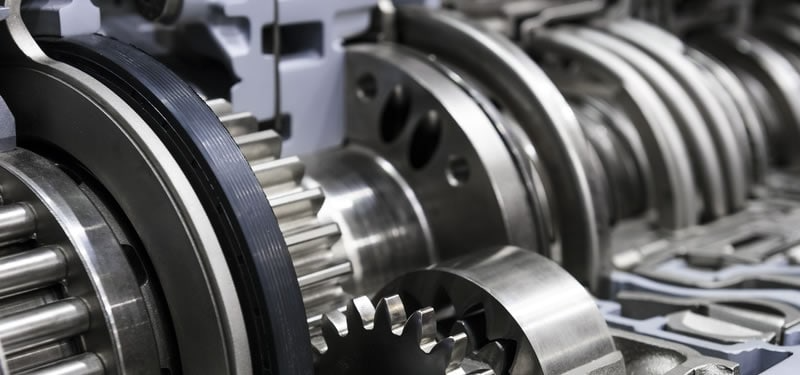
Borgman Recommends Checking Your Transmission Fluid Often to Extend The Life Of Your Vehicle The Borgman Service Center in Grand Rapids is dedicated to keeping you out on the road to adventure in West Michigan. For this reason, we recommend having your transmission fluid checked or changed every 30,000 miles, despite what you may see in your owner's manual. We hope everyone who drives a vehicle in West Michigan understands why having your engine oil changed regularly is important. It's the lifeblood of your engine, but we don't often see the transmission getting the same love. The engine and transmission work as a team to keep you moving, and keeping an eye on your transmission fluid level is just as critical. In this Borgman How To, we're going to briefly touch on how automatic transmissions work and why having the fluid changed regularly is paramount for maintaining a healthy vehicle. What On Earth Is Going On Inside An Automatic Transmission? There's a running joke that automatic transmissions are powered by magic. They're ridiculously complicated pieces of machinery, which only underscores why it's important to take good care of them. Engines spin fast, and abruptly, so the automatic transmission takes all of that spinning and translates it into smooth, consistent power to the wheels. In a standard transmission, the driver would do this by slowly releasing the clutch pedal. To effectively mimic this, the first step is a device between the engine and the transmission called the torque converter. Here's basically what a torque converter does: Imagine a hollow drum with two sets of fan blades (like on a desk fan) stacked neatly inside. They're on the same axis but can spin at different speeds. The drum is filled with oil, so as the first fan starts spinning, it starts churning the oil. That oil pushes against the second fan's blades and slowly starts to turn them. This is the basic principle of a fluid coupling. Torque converters employ this to smooth the power output between the engine and the wheels, though there are more parts in there than what we described. This is because it plays a few different roles, and the big one is powering the transmission fluid pump - which acts as the heart of the transmission. Ok, We Have Smooth Power. How Does It Automatically Shift? Here are the broad strokes. Unlike in a manual transmission, all of your different gear sets are spinning at the same time when the vehicle is moving. However, only specific sets are allowed to transmit power to the wheels. Transmission fluid is pumped around through different valves and channels based on how much pressure is built up. When certain ones are filled, it clamps and releases different gears, which "shifts" the transmission to another gear ratio. The result: the faster you go, the more fluid pressure builds up. Then, different gears are "activated," and the car shifts from 1st to 2nd to 3rd, and so on. Why is Transmission Fluid So Important? Transmission fluid has a few different jobs, and to do them properly it needs to have very specific chemical properties. Apart from flowing throughout the valve body and controlling the shifting, it also keeps all of these parts cool and lubricated. Your vehicle's transmission will have been engineered to accept a specific type of fluid, and using the wrong fluid can and often will result in damage. As the fluid is used, the chemical makeup can start to degrade, and the inevitable wear of internal parts can start to contaminate it. Both of these things will shorten the life of your transmission, so it's worth talking to your service advisor every 30,000 miles or so to have your fluid checked. Another thing we should note is that transmission fluid is made to endure extreme temperatures and will not burn up like engine oil does. This means that if you're losing fluid, you almost certainly have a leak somewhere. With some owner's manuals recommending that you have your transmission fluid changed every 80,000 to 100,000 miles, irreparable damage may already have been done by the time anyone notices a slow leak. Having the transmission inspected regularly can alert you to issues before it's too late. Transmission Fluid Checkups at the Borgman Service Center If you're noticing some spots in your driveway, or your vehicle is shifting "weird," it's a good idea to visit the Borgman Service Center in Grand Rapids for an inspection. Our highly-trained and certified technicians will make sure that your transmission fluid is in good shape, check the seals, and replace it with the correct high-quality fluid if needed. Thinking it's time for a tune-up? Browse the latest Service Specials, Schedule an Appointment online, or Contact Us with any questions you may have about your transmission or any other part of your vehicle. Come see why we're the Best in the West!

Borgman How To: The Tao of Towing

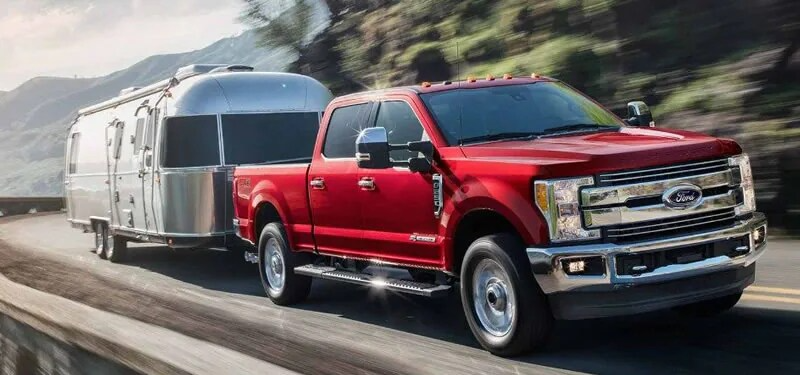
Simple Guide to Towing Trailers, Boats, and Campers Across West Michigan One of the best parts of driving a larger Ford Truck or SUV in West Michigan is being able to tow heavier toys along on your next adventure. Whether you're towing a boat, a trailer loaded with dirt bikes or ATVs, campers, or even snowmobiles, there's a rugged Ford vehicle that's more than up to the task. Although, if you're new to towing, you might have some questions about all the ins and outs. In this latest Borgman How To, we'll cover some important mechanical, safety, and operating tips to get you towing like a pro in no time! Be Kind To Your Powertrain! This first part is very important: when you're towing something, your vehicle is heavier and needs to work that much harder to get moving. If you don't compensate for this, you could easily damage your engine, transmission, or both. Before you do anything, it will be worth reviewing your owner's manual and double checking your towing and payload weight ratings, as well as any vehicle-specific information not covered here. To illustrate why this is important, we'll quickly go over how the engine and transmission work together. When you press the gas pedal, the engine spins and the more you press it down, the faster it goes. Without a transmission, the engine would have to work very hard to get the vehicle moving from a stop and rev much too high around 35mph - resulting in severe damage from both cases. Much like the gears on a bicycle, the transmission has different sets of gears for the different "stages" of acceleration. From a stop, the wheels spin slower but with much more force. The inverse is true in the higher gears. When you add the extra weight of the trailer into this equation, you have to make sure the transmission doesn't shift too early -which overworks the engine. There are a few easy rules to follow here: Use Tow/Haul Mode if you have it. Otherwise, use whatever setting you have to turn off overdrive (the highest gear.) If you tow heavier loads, in hot weather, or over long distances, it may be a good idea to have a transmission cooler installed. Keep an eye on how your vehicle is shifting: lower gears are preferred when towing up hills. Check All Of Your Connections Since every vehicle is different, you'll have to refer to your owner's manual for the proper procedures when attaching and loading a trailer. There are some important things to check for though in any circumstance. First and foremost, make sure all of your tires are properly inflated - and this includes the ones on the trailer. Second, ensure your trailer's brake/taillights are properly connected, attached, and working. While you're back there, it's worth noting that your trailer's license plate is attached and visible as well. Third, check your tongue weight. Usually, you want 10% to 12% of the trailer's weight resting on the tongue of the trailer but this may differ from case to case. Finally, check your connection to the hitch, as well as the chains. These are your safety net should the hitch fail, so give them as much attention as the hitch itself. After 10 to 15 minutes of driving, safely pull over and check these again - sometimes bumps in the road can wiggle them loose. Everything looking good? Now it's time to get comfortable driving with a trailer! The Secret To Safely Towing a Trailer: Practice, Practice, Practice. Even if you feel confident about towing a trailer on public roads, it's absolutely necessary to get acquainted with it before heading out. Have an experienced friend bring your rig to an empty parking lot so you can practice things like backing up, braking, making lane changes, and adjusting to the change in handling. The key is to do everything slow and steady. Though some trailers come equipped with brake assistance, you'll still be able to feel the extra weight when stopping. The heavier the load, the more pronounced this gets. Once you know what to expect, plan ahead and bring the rig to a stop with extra room to spare in front of you. There are two reasons for this. First is to give yourself some extra time to react should you miscalculate. The other reason is to allow about 10 feet or so to creep forward after coming to a complete stop. This releases some heat from the brake pads and rotors, guarding against "glazing" and prolonging their life. Turning is also going to be much different - remember that the trailer is going to cut to the inside of your path so make sure you give it plenty of space! Backing Up: You Can Do It! Another thing you'll need to experiment with is backing up, and just so you know: it can be very frustrating and counter-intuitive at first. Though many newer Ford Vehicles come equipped with Trailer Backup Assist, where all you have to do is turn a knob to steer the trailer, learning to do it the old-fashioned way is an invaluable skill to have. Try this: grip the steering wheel on the sides and use only your mirrors to see. Go very slow. If the trailer needs to go right, raise your right hand. Raise your left to go left. If the trailer starts to "jackknife," or starts forming an "L" shape relative to your vehicle, stop and slowly pull forward to straighten it out and try again. Jackknifing will put strain on the hitch and the trailer, so it should be avoided if possible. The important thing is to not give up - it's not an easy thing to do, and will take practice and patience to get the hang of it. Once you've got it down, be sure to congratulate yourself and revel in your accomplishment! Time To Hit The Road To Adventure! Ok, so now you're comfortable with the added length of your vehicle with trailer in tow, and know what to expect regarding acceleration, turning, and braking. It's time to hitch up your camper or trailer and embark on your summer adventure! Be sure to run through the list above before setting out and double check all of your connections. If your trailer is taller than your vehicle, make sure you know the full height and plan your route accordingly. You'll also be going slower than normal and stopping for gas more often, so give yourself some extra time. Once everything is in order and your load is properly secured, it's time to head out. Every time you stop after the first 10 minute "pull over and double check," be in the habit of inspecting the trailer for anything out of place. On the road, keep an eye on other vehicles and where they are in relation to the back of the trailer. If you have your signal on and aren't sure if it's safe to merge, some drivers know to flash their lights to let you know the trailer is clear. This is common "trucker code" and hope it comes in handy - no matter which end of it you're on. What To Do If Your Trailer Starts Swaying or "Fishtailing." It happens to the best of us: the trailer gets a little squirrely out on the highway. This can happen because of a sudden gust of wind, the rush of air from a passing car, or making sudden movements. The best way to guard against this is referring to your owner's manual for tips on loading the trailer and checking tongue weight or postponing the trip on windy days. Should you notice your trailer swaying on the road, here's what you can do to save it. First, stay calm and resist the urge to hit the brake - this will only make things worse. Take your foot off the gas and gently apply the trailer brake. Newer Ford Vehicles equipped with Trailer Sway Control will do this automatically. Do this in short pulses until it straightens out; the trailer moving slower than your vehicle will "drag it" and only allow it to move forward, not side-to-side. In an absolute worst-case scenario, you can speed up a little bit to correct it on the opposite end, assuming you have room in front of you. However, your first instinct should be to apply the trailer's brakes and not your vehicle's. Be Aware, Be Safe, and Tow Like a Pro on Your Next Adventure in West Michigan Planning your next trip to the lake or up north this summer? No matter if you're going to use your new-found towing prowess or not, ensuring that your vehicle is in good working order is key to making your journey a success. The experts at the Borgman Service Center can help by performing a careful and thorough inspection of your vehicle's critical components like the engine, transmission, brakes, tires, and more. We can even help with more advanced features like the Trailer Sway Control or Trailer Backup Assist too. Take a look at our latest Service Specials or use our easy Online Service Scheduler to make your next appointment. During your visit, be sure to ask about our Lifetime Warranty on Brake Pads as well as our Low Price Guarantee on our selection of name-brand tires. Come see why Borgman is the Best in the West!

Keeping You & Your Vehicle Cool Through The West Michigan Summer

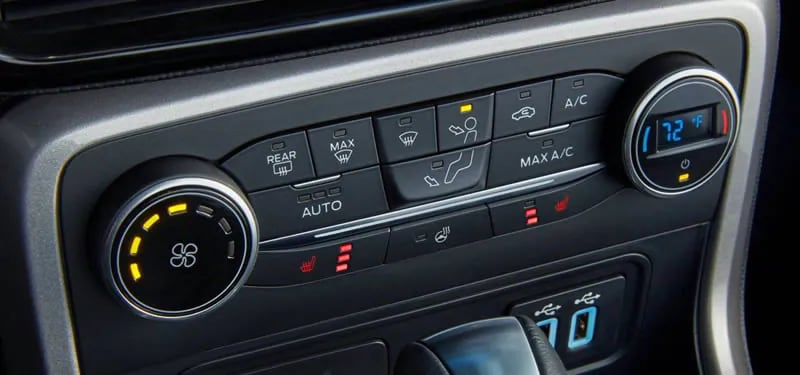
School's out for the summer and many West Michigan families are getting ready to hit the road. Whether you're going on a longer summer adventure, or just driving the family to the beach, understanding and maintaining two important systems in your vehicle will help avoid hot weather breakdowns. Keep Cool With Well-Maintained Air Conditioner A car, truck or SUV air-conditioner system does not simply blow cold air into the car. The air-conditioning system is actually designed to remove the hot air from within the vehicle cabin and dispel it to the atmosphere outside the car. In order to do so, the air conditioner system relies on a number of components to operate effectively. Like all mechanical parts, these items are prone to wear and regular system servicing helps to protect them from breakdown. The air conditioning system is pressurized by a gas known as a refrigerant. Each vehicle specifies how much refrigerant is used to fill the system. When the air in your air conditioning (AC) begins to lose power and the air doesn’t feel too cold, it may be time for an AC recharge. It must be noted, however, that recharging your AC is a temporary fix to a likely bigger problem. If your system is indeed missing refrigerant, your AC system has a leak and needs to be inspected and repaired. Refrigerant does not evaporate in an airtight system so air is leaking in. During our A/C Inspection, we check the following for function: Compressor Condenser Expansion valve or orifice tube Receiver, drier, or accumulator Evaporator From a quick tuneup or air conditioner flush to replacing components, let the experts at Borgman attend to your car’s air conditioning system – while you wait! Radiator Risks in Summer Heat While cabin comfort is important to the humans in the vehicle, proper engine cooling is equally important for the health of your vehicle's engine. Hot, summer air in heavy traffic or traffic jams can stress even a well-maintained radiator. Overheating is the #1 cause of summer breakdowns, according to ASE. Low coolant levels in high heat can kill your engine. Also be aware that if you have a damaged radiator or hoses, the coolant may leak causing your engine temperature to rise even more. In summer weather, always keep an eye on vehicle’s temperature gauge. Make sure your radiator is adequately filled with coolant at the right concentration — usually a 50/50 mix of water and antifreeze, but check your car’s specifications. The radiator should be flushed every two years. If it hasn’t been serviced, do so before you hit the road. Also take time before a long trip to inspect your hoses, looking for leaks, cracks, peeling or separation. While the engine is still warm, squeeze along the hose’s length — it should feel firm, but not hard. If the hose is spongy or soft in even one section, consider replacing it before it fails and causes bigger problems. Carry duct tape, which may serve as a very short-term fix for a blown hose while you seek help. However, remember that duct tape can’t stand too much heat. Intermittent Overheating Causes If your car is overheating at idle, but it’s fine the rest of the time, then there are a handful of different problems that you might be dealing with. The most likely reason for this type of problem is that your fan isn’t working, but the reason, and the fix, will differ depending on the car you drive. Intermittent overheating problems can also be caused by low coolant, air in the cooling system, a bad coolant temperature sensor, or even a faulty gauge. Here are some of the basic things you can check when your car overheats at idle: The coolant level Only check when the engine is cool. Low coolant can cause overheating. Air bubbles in the cooling system can also cause issues. Only use the specified type of antifreeze to top off the system. Fan belt problems If the fan is driven by a belt, check the belt. A loose fan belt can result in overheating. If the belt is loose, frayed, or missing, replace it. Electric radiator fan problems If the fan is electric, check to see if it’s plugged in. You may be able to test the fans by turning on your A/C, which often causes the fan to turn on or cycle. The fan motor may be burned out, or there could be a problem with the fan switch, a resistor pack, or wiring. Visit Borgman for a cooling system checkup, and we'll inspect your vehicle’s system and replace any damaged or worn components, such as water pumps, thermostats, and hoses.

Contact Us

Fill out this form below and we'll contact you shortly
*Required Fields