
Blog / Service

Blog

All Service News New Inventory Community Events Fleet Parts Social Green Ford Information Body Shop Grand Rapids Ford Dealer People Finance Pre-Owned Inventory
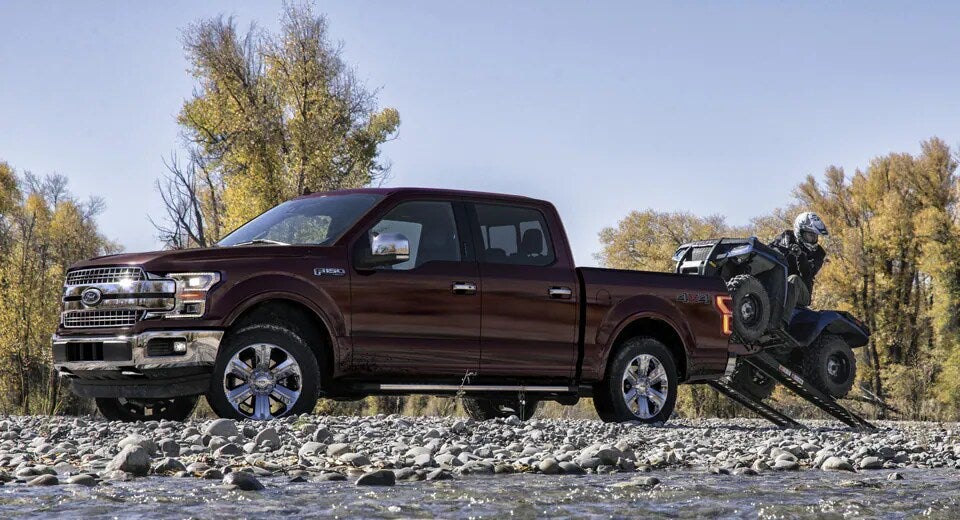
ford F-150 pulling a boat along the coast of the ocean

Replace or Service These Oft-Overlooked Components to Ensure Summer Fun

Summer officially arrives later this month, but that hasn't stopped West Michiganders from hitting the road and enjoying the warm weather. Before you set out though, there are some things you should make sure are in good working order first. Today, we've decided to dive past obvious things you should check like your tires, air filters, and motor oil, favoring oft-overlooked systems that you may not necessarily think to inspect unless there's a problem. An ounce of prevention is worth a pound of cure, after all. Battery Auto batteries can "wilt" in the summer heat if they're getting on in years, but not usually all of a sudden. If you're having trouble getting your car started and it's been 4-5 years since you last replaced it, it's time for a new battery. If your battery is newer, it might just be corrosion on the terminals - an easy fix for the Borgman Service Team or even you if you're careful and handy with a wrench. Alternator Your battery provides the electricity to start your engine, and your alternator keeps it running. It does this by using power the engine's serpentine belt to turn a small generator, which produces electricity for the spark plugs. If there's no spark, your engine won't run. If your engine stalled and then you found that the battery was dead when you tried to restart it, this is the likely culprit. A worn-out alternator can leave you stranded, so it's worth having it checked every now and then. Spark Plugs & Wires Spark plugs and their wires are essential to engine operation. These are durable components, but they can wear out. Depending on your vehicle, they need to be replaced around every 60,000 miles or so - some varieties can live longer, others will need to be replaced more often. If you have an issue with your vehicle "running rich," which means that too much fuel is being injected into the cylinders, your plugs will be the first part to go when the issues start to compound. Air Conditioning System If your vehicle's air conditioner isn't blowing freezing cold air when it's all the way up, it may be time to have it serviced. This could be as simple as replacing the cabin air filter, it could also mean your compressor is on its way out or you have a refrigerant leak. Refrigerant leaks are an environmental hazard, so don't wait if you notice a drop in efficiency. Transmission Fluid Though manufacturers vary wildly on this number, Borgman has found that transmission fluid needs to be changed around every 30,000 miles for optimal vehicle health. Your automatic transmission is a very complex and sensitive piece of machinery, so any contaminants or improper level of fluid inside can lead to overheating issues or permanent damage. This is something you especially want to keep an eye on if you're going to be towing things like boats or campers all summer. Fuel Filter Sometimes dirt or contaminants get into the gasoline you buy. Luckily, all vehicles are equipped with a fuel filter to keep these things out of your lines. As is the case with all filters, they eventually will need replacing. We recommend having it changed every 60,000 miles or so, but a clogged filter could be the culprit (and easy fix) if you have problems getting your vehicle started, rough idle, struggling at low speeds, or stalling out. Complete Vehicle Maintenance & Repair at the Borgman Service Center in Grand Rapids, MI If you're planning all sorts of adventures this summer, it's worth having your vehicle looked over at Borgman before you set out. Catching worn components or aging fluids before heading out ensures that your weekend is full of fun. Our experts will go over your ride top to bottom and bring any relevant issues to your attention. We'll make sure you understand what the issue is so you can make an educated decision about your vehicle. Need to schedule an appointment? It's easy! Simply use our Online Scheduler Here, then head over to our Service Specials for coupons - saving you money on services you need. Come see why we're the Best in the West!

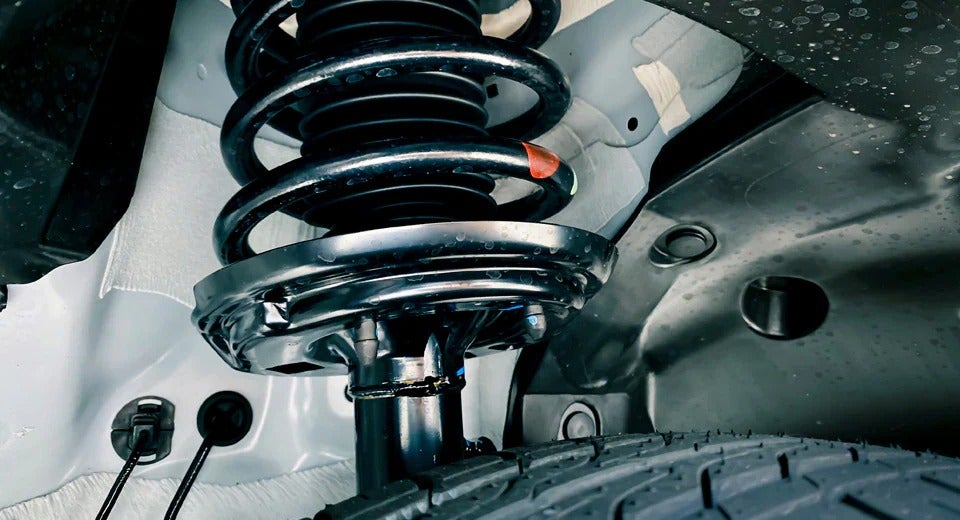
close up of a vehicle shock

What's The Difference Between Shocks and Struts? When Do They Need To Be Replaced?

Spring has arrived in West Michigan, and many are looking to hit the road out of Grand Rapids for fun weekends of exploration and relaxation. Whether you're traveling down interstates or cross country, your shocks and struts make sure you don't feel every single bump in the road, and even play a role in ensuring your vehicle doesn't damage itself. Like many other moving parts on your vehicle, shocks and struts have a lifespan and will eventually need to be replaced. In this article, we'll explain the difference between shocks and struts, what they do, and when it's time to have them replaced at the Borgman Service Center. What Are Shocks and Struts, and What's The Difference? Both shocks and struts essentially do the same thing: absorb sudden movements created by bumps in the road. Where they are different is that a strut is a structural part of your suspension, and a shock is not. Shock Absorbers or shocks are simple pistons with hydraulic fluid inside. When the wheel hits a bump, the fluid inside compresses through a small hole into another chamber, which takes the jarring, sudden movement and smooths it out. The excess energy converts to heat and radiates out into the atmosphere. When the wheel returns to its normal position, the oil is drawn back into the first chamber, smoothing out this movement too. McPherson struts, coil-over springs, or simply "struts" are different in that they actually hold your vehicle up off the ground. Struts are also usually where your alignment is set, so they have a hand in your steering system too. Struts are typically found on the front wheels of vehicles for this reason. They are structural parts, and apart from their inner beam and huge spring, contain a replaceable shock cartridge so that when it wears out, you don't have to replace the full assembly. When Do I Need To Replace My Shocks or Struts? Generally, you'll need new shocks and strut cartridges every 50,000 miles or so, depending on how often you're driving on dirt or poorly maintained roads. The first thing you may notice is your ride is getting a lot bumpier, but if this is gradual you may not. However, when struts are nearing the end of their life, the symptoms can be more pronounced. You may feel your vehicle nose-dive when you brake or lift-off when you start moving. You may also find that it feels like driving a bowl of jelly when you exit the highway down a looped ramp. Another sign that something is amiss are uneven wear patterns on your tires. The Borgman Team is good at spotting these during a tire rotation, and if we see it we'll let you know. Though this tip is something that's really only practical on passenger cars, you can push down on the fender above a strut and see if the car "bounces" when you release it. Healthy struts will raise the car to its normal position and stop. Worn struts will allow the car to travel more. Need New Shocks or Struts? Trust the Borgman Service Center in Grand Rapids! If you've been noticing your vehicle handling strangely, making new noises, or just bumpier than normal, then head over to the Borgman Service Center today. We'll make sure your vehicle is in tip-top shape for your spring wanderings around West Michigan. Our friendly and highly knowledgeable staff is here to make sure you understand everything in your vehicle health report, and the function of the parts we need to replace. If you ever have any questions, we're here to help. Check out our latest Service Coupons, then Schedule Your Appointment Online. Come see why we're the Best in the West!
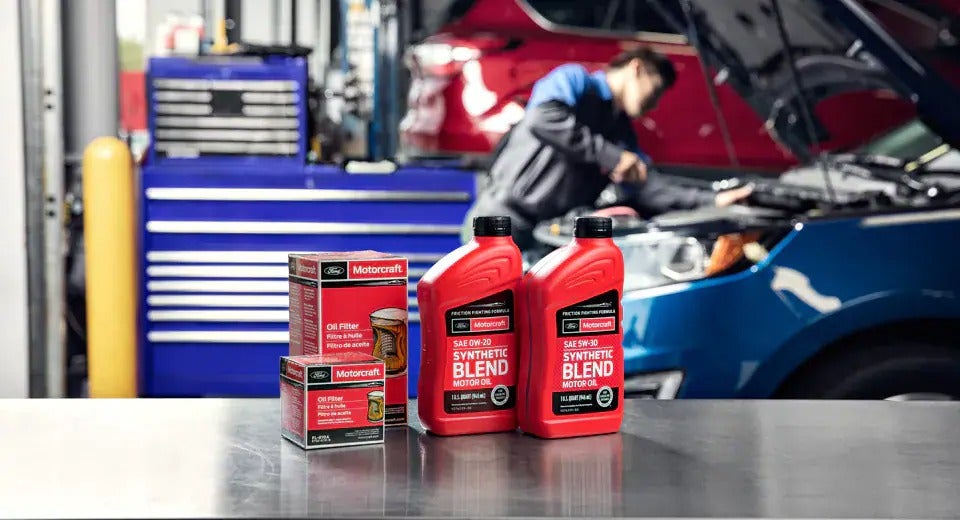
display of oil bottles

Why Oil Needs To Be Changed Every 6 Months, Even If You Don't Drive 5,000 Miles

It looks like spring is on its way to West Michigan! Since folks are likely going to be doing a spring cleaning and "tune-up" of their vehicle, we thought this would be a good opportunity to talk about motor oil. We're all familiar with the rule of thumb, "change your oil every 5,000 miles." But if you work from home, you're probably only taking short trips to the grocery store and not getting close to that many miles before you actually need to change your oil. In this post, we explain why changing your oil over time is just as important as with mileage, as well as why we don't really need winter and summer blends anymore. Why Changing Your Oil Every 6 Months Matters Too As you use your motor oil, contaminants from the combustion process (that is, gasoline exploding in your cylinders) will start to build up in your oil. This is a good thing: it means that those contaminants, moisture, and carbon aren't accumulating on your valves, pistons, and other places they shouldn't be. One benefit of getting an oil change is flushing all of that stuff out. Synthetic oil lasts much longer than conventional motor oil, but it still degrades and loses its lubricating properties as it's used. So, if using motor oil and getting it hot degrades the oil, why does it also go bad after 6 months if you don't drive it a lot? It seems like a paradox, but there's another piece of the puzzle. Something oil does when it gets up to operating temperature is evaporate water. Water gets into the engine through the air intake and other places, since there's always some degree of moisture in the air. When the engine is hot, that water evaporates and is either whisked away into the exhaust or absorbed into the oil. If you aren't driving your car much, condensation can build up in the engine. If you aren't driving very far, the oil doesn't get hot enough to evaporate that water. Exposing the oil to moisture degrades the oil as much as running the engine hard for 5,000 miles. The solution is to flush all that stuff out with fresh oil every 5,000 miles or 6 months, whichever comes first. Thankfully, you don't need to remember. We print both numbers on a sticker for you. Why We Don't Need Summer and Winter Oil Anymore Way back in yesteryear, oil wasn't as high-tech as it is today. Depending on how it was made, it could be really effective in the summer but turn to mayonnaise in the winter. Oil produced for winter wouldn't do this but would be too thin in the summer to keep everything lubricated, and since it can't shed its excess heat, start foaming. Times have changed and with synthetic blends, it's now possible to have a motor oil that does its job in all but the most extreme environments. Far more extreme than we see in West Michigan. At the Borgman Service Center, we use Motorcraft Synthetic Blend for our oil changes (unless something else is specified for your vehicle.) This high-quality motor oil meets all warranty requirements, is API Certified, and is manufactured with a high viscosity index. Trust The Borgman Service Center for Your Regular Oil Changes If you're looking for a service center in West Michigan you can trust with the health of your vehicle, look no further than the Borgman Service Center in Grand Rapids. The Motorcraft Motor Oil we use starts with premium-quality, synthetic/hydroprocessed base oils and features specially-designed performance additives that help minimize engine deposits and wear. This oil also protects against high-temperature oxidation and turbocharger deposits, low-temperature gelling, rust corrosion, and foaming. The friction-reducing technology provides superior wear protection and energy-conserving characteristics, which result in significant improvement in fuel economy too. That's more money back in your pocket while protecting your engine. If you have questions about the oil we use or have any other questions about our affordable "The Works" package, please feel free to Contact Us. If you'd like to schedule your vehicle for service, be sure to check our latest Coupons & Offers, then head over to our easy Online Scheduler. Come see why we're the Best in the West!
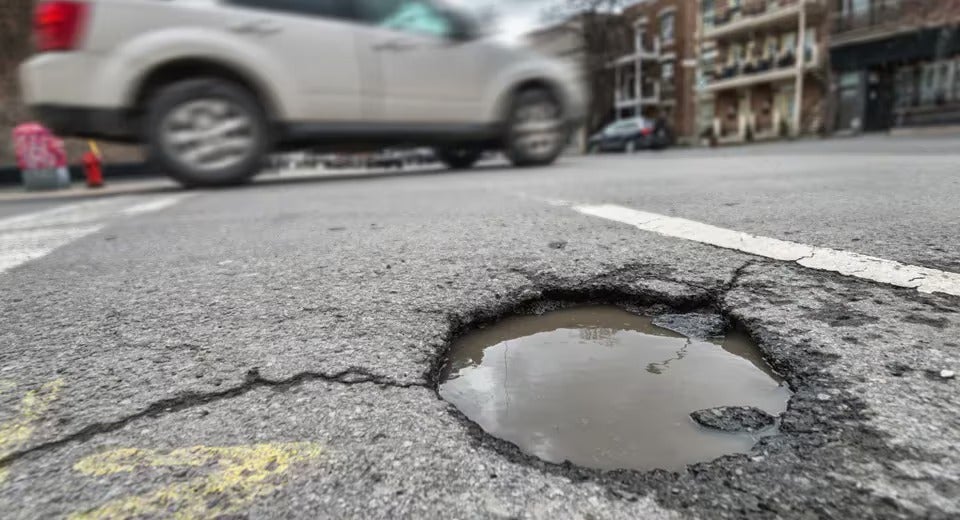
closeup of a pothole on a busy street

West Michigan Pothole Season Survival Guide

Pothole season is on its way to West Michigan, and our guess is it's going to be a doozy. This winter's erratic pattern of freezing and thawing is fast-tracking the process that forms potholes, which as any seasoned Michigander knows, wreak havoc on your vehicle. The best way to avoid damage to your vehicle is to avoid potholes altogether, but sometimes that simply isn't possible. In this article, we'll go over how potholes form, what parts of your vehicle they could damage, and steps you can take to minimize their impact. Let's get started! Where Do Potholes Come From? Potholes form when water seeps into cracks in the pavement during a thaw. Then, two things happen. First, the water can wash away the layer of sand or substrate below the pavement, which supports the asphalt and keeps it level. When the water freezes again, the water expands as it turns into ice, prying the cracks open and letting even more water in when there's another thaw. Eventually, whether it's the blade on a plow truck tearing it open or enough of the substrate has been washed away beneath, the pothole implodes leaving a hole in the road. What's worse, these vary in depth from an inch to several, and if they're full of water it's impossible to tell. So I Have No Choice But To Drive Through A Pothole. What Do I Do? If you're driving and spot a pothole (or a suspicious puddle in most cases) the best course of action is to safely navigate around it. However, it could be that there's opposing traffic on a two-lane road, someone next to you, or simply no room to avoid it. If you're vigilant, you can take a couple of steps to minimize or even eliminate damage to your wheels and suspension. First, slow down as much as you safely can. The speed you're going factors into how much force is suddenly exerted on your vehicle on impact. Remember, you're hitting the side of the pothole opposite you and then climbing out. That means you're going to want to drive through it as straight as possible, as this spreads out the impact into the width of the tire and not the metal rim. The rims can crack if they impact on an angle, and don't absorb nearly as much shock as the rubber tire can. The less that gets through the initial impact, the less your suspension has to absorb. Now that we've got the "why," here's a quick play-by-play of what to do: Brake and square up with the pothole to go through it straight and as slowly as is safe. Just before impact, release the brake. Hold the steering wheel firm to prevent the vehicle from being thrown to the side. Wait for the rear wheel to clear the pothole and gently apply the gas. Feel and listen for any new noises or changes in handling. What Can Be Damaged On My Vehicle By A Pothole? There isn't a simple answer to this. Any number of things can be damaged ranging from splits in your tire to blown shocks or even a cracked windshield. Though in most cases where there's severe damage, we end up replacing parts of the suspension. Some of these parts, such as the shocks and to a lesser extent the coil-over struts, need to be replaced over the life of your vehicle anyway. If the pothole damage is just to these parts, the repair is pretty simple. However, other parts like the tie rods and control arms can be bent or damaged too, and for those, the repairs will take a little longer. If your vehicle suffers cosmetic damage, our Collision Center is here and will work tirelessly to restore your vehicle to pre-incident condition. That includes sourcing top-quality or genuine OEM parts, thoroughly inspecting your vehicle for hidden damage, to working with your insurance company on your behalf. We have courtesy vehicles available as well, so you don't need to rely on renting a vehicle if your insurance doesn't cover it. In other cases, the damage may be very minor and all you need is a new tire or even just an alignment. Our technicians will look over your vehicle carefully and recommend what needs replacing now and what can wait until later. If you've noticed any strange handling or noises after driving through a pothole, Schedule An Appointment with the Borgman Service Center today and see why we're the Best in the West!

orange Ford F-150 driving up an offroad snowy hill in winter time

How Do Winter Tires Work, and How Do I Choose?

Winter has officially arrived in West Michigan, and with it, slippery road conditions. If you've been "losing your grip" in the snow and ice, quality winter tires from the Borgman Service Center can help! We carry a wide selection and can give you a "Good, Better, Best" recommendation for your specific vehicle. However, if you prefer to do further research on your new set of tires before you buy, we've put together the following article to help your search. We discuss what winter tires are made of, why they help you drive in the snow and ice, and what symbols and industry terms to look out for if you're looking for a set. Take a look below, or contact the Borgman Service Center to schedule your appointment! What Are Winter Tires Made Of, and How Do They Work? Different tire companies will make different blends of rubber compounds, then assigning them with marketing terms to protect their trade secrets. However, winter tires all effectively solve the same problem: pliability in colder temperatures. Think of chewing gum. On a hot day, it's sticky and stretchy. Put it in the fridge and it becomes hard and not sticky at all. Tires, and the rubber they're made of, work much the same way. In the warmer months, they get softer and can more easily form to the road, increasing friction. As the temperatures drop, they stiffen up, making them susceptible to splits and cracks, and they can't form to the road and as a result, producing less friction. All tires have their effective temperatures. Summer tires need to get warmer before they soften up, and winter tires stay soft at lower temperatures. All-season tires aim for a "middle-of-the-road" approach, and most months out of the year, they're perfectly adequate. That is until we get one of West Michigan's signature ice storms. Then, the added traction can be the difference between getting up that hill or stopping safely. Some winter tires have two other tricks up their sleeve: added silica and tread patterns. Silica crystal added to the rubber give tires even more grip, like tiny cleats digging into the ice. Also, clever tread patterns trap a buildup of snow on the middle of the tire and whisk away moisture on the sides. Snow sticks to snow pretty well, so by harnessing this property you can use the snow on the ground for even more traction. What Is The Meaning of Those Symbols on the Sidewall of the Tire? If you've ever looked at the mountain and snowflake icons on the sides of winter tires and wonder what they mean, Borgman is here to demystify them. Seeing a mountain and snowflake means that the tire passed a traction test, but that doesn't automatically mean it's a winter tire. You could also see an "M+S" next to it, meaning that it is intended for moderate snowy conditions. Here are the meanings of some other things you might see: Tire Type: Usually this has a "P" for "passenger vehicle." Sometimes pickups and SUVs will have an "LT" for "light truck." Tire Width: The measurement of the tire width (in millimeters) from sidewall to sidewall. Ratio: The height of the tire, measured in hundredths of the tire width. Construction: How the layers of rubber in the tire. "R" will mean radially and is the most common. Diameter: The measurement of the "donut hole" part of the tire. Which Winter Tires Are Right For Me? The Borgman Service Center has a pretty wide selection of performance winter tires that will suit the vast majority of drivers in West Michigan. As to which tire is best for you, we can only recommend you look at the literature and weigh the strengths and weaknesses of each, also bearing in mind your budget. Of course, if you need help choosing your new tires, the friendly and courteous staff at the Borgman Service Center will be happy to oblige. We'll put together a brief list of tires that we feel will suit you, and answer any questions you may have. Get in touch with us or use our easy Online Scheduler to plan your visit. Be sure to check out our latest Service Coupons as well. Come see why even after 60 years, we're still the Best in the West!

compact Ford driving in a small downtown in the rainstorm with headlights on

Why Isn't My Vehicle's Air Heater Working?

Grand Rapids has already seen its first snowfall even before the official start of winter. Though it was short-lived, there will be plenty more to follow before spring arrives in West Michigan. Therefore, making sure your vehicle's heater is in good working order makes the difference between a comfortable winter, or bundling up every time you go for a drive. Not to mention, you'd have difficulty clearing the windshield every morning! This article briefly explains how your vehicle's heater works, plus some common issues within its systems that cause your heater to stop blowing warm air. How Your Vehicle's Heater Works: In A Nutshell Ever wonder how your vehicle makes the heat that comes out of the vents? If you're familiar with how radiators work, it's quite simple. When your engine is running, it produces heat. So much of it in fact that if the heat isn't released, the engine will warp and damage itself. That's why you have a radiator and coolant. The coolant is pumped through a series of hoses that absorb the heat and as it passes through the wound-up pipes of the radiator, a fan cools the liquid coolant and blows it out the front grille. However, there is a smaller radiator toward the back of the engine called the heater core, which does the same thing but the heat is sucked out of the engine bay and blown into the cabin with fans. Why Isn't My Heater Blowing Warm Air Anymore? If your heater isn't working anymore, there could be any number of reasons. Rest assured that the highly-trained and friendly technicians at the Borgman Service Center will get to the bottom of it, but here are a few common causes. Your Coolant Levels Are Low As we explained above, coolant passing through the heater core is what supplies the heat to the cabin of your vehicle. If your coolant level is low, it could be that you have a leak somewhere or your engine needs a new gasket. If this is the case, coolant is being allowed to mix with the engine oil and is burning up with the gasoline. You might notice thick, white, sweet-smelling smoke from your tailpipe if this is the case. Coolant can degrade over time, but if you're filling the coolant reservoir often, it is a critical issue that needs to be addressed by the Borgman Service Center as soon as possible. It Could Be An Issue With The Heater Core Itself If your coolant level is fine, there might be a clog within the heater core's tubes. A flush might resolve the issue, but replacing the heater core can be an expensive repair. If your heater core is going out, you might notice a fog, or a sweet, almost fruity smell coming from the vents. Other symptoms include the engine overheating or unexplained coolant loss. Alternatively, a faulty thermostat could be causing the cooling system to not switch lines and supply the heater core with hot coolant. Luckily, the thermostat is a relatively inexpensive fix. It Could Also Be A Problem With Your Controls If your temperature-selector, whether analog or digital, isn't getting the signal from the dial to your vehicle, then you won't get any hot air. Or, you might only get hot air when you don't want it - such as during the summer. This can be caused by debris gumming up the inner-workings of the dial or some fault within your head unit. If you suspect this might be the case, let us know and our technicians will look into it. Enjoy A Warm, Comfortable Winter with the Borgman Service Center in Grand Rapids, MI If your heater isn't blowing hot air like it used to, schedule an appointment today and get back to driving safely and comfortably in the cold weather. Your heater does keep you warm, but it also keeps your windshield clear of ice and fog, so issues with your heater pose safety concerns as well. Our friendly and knowledgeable staff are here to help you with all of your automotive needs. Use our easy Online Appointment Scheduler to plan your visit or head over to our Service Specials for the latest offers. Come see why we're the Best in the West!

Borgman How To: Go Prepared on West Michigan Winter Road Trips

The holidays are fast approaching, meaning many of us will be traveling across West Michigan to see loved ones. Given the time of year, there's a chance you may drive through some of West Michigan's famous winter weather. Earlier in the season, West Michigan is prone to lake-effect snowstorms, which come on suddenly and can deposit up to a foot or more of precipitation. If you're out driving during one of these storms, preparedness is key for arriving safely. In this Borgman How-To, we'll give you some pointers on preparing your vehicle for the trip. Checking Your Tires We know it seems like we mention this in every "vehicle check" post we do, but that's because your tires are so important for vehicle safety. They are your sole contact with the road, and play a role in traction, steering, and stopping. They should be free of cracks, worn patches, and their tread depth should pass the "penny test" before you set out. Crouch down and put a penny with the top of Abraham Lincoln's head pointing down into the tread. If the top of his head is covered when looking at it flat-on, your tires still have enough tread. Making sure your tires are properly inflated is just as important. There should be a sticker in your driver's side door well that states how much air you should keep in your tires, but if you're not sure, 33 pounds per square inch (psi) is fairly common. This number should also appear in your owner's manual. Remember to check the condition of your spare tire as well. If your tires don't pass the "penny test" or you're noticing uneven wear, cracks, leaks, or bulges, schedule an appointment with the Borgman Service Center today and ask about our current rebates and specials on name-brand tires. Check All Of Your Lights Though it's the law to ensure all of your lights are in working order before driving, we mention it because it's important. Making sure you have a clear view of the road in front of you is a good thing even in clear conditions, but making sure you're visible to other drivers is equally important. Your owners manual will have detailed instructions about how to change your headlights, turn signals, running lights, and taillights, as well as which bulbs to use for each. However, if you don't feel comfortable taking apart these assemblies or are short on time, we'll be happy to change them for you. Check The Condition of Your Battery Your vehicle's battery can suddenly stop holding a charge in the cold weather. The rule of thumb is to replace your battery every five years. If your battery has ever been depleted, the need could arise sooner. When your car has trouble starting in the cold, sometimes it's just because of built-up corrosion on the terminals. You can clean this yourself by disconnecting the battery and using baking soda and an old toothbrush. Disconnect the negative first, then the positive, reconnect the positive first, then the negative. If you're uncomfortable doing this, or you just want to see if your battery is going faulty, we'd be happy to help. Construct A Roadside Emergency Kit Putting together a kit for use in emergencies and storing it in your vehicle grants peace of mind, and is something you hope you never need but don't want to be caught without. What you keep in there is up to you, as you can get as elaborate as you want with them. However, we recommend the following items as a bare minimum, with some items added for the winter months. First Aid Kit. You can usually find these preassembled at big box grocery stores and they're generally not expensive. Roadside Hazard Signs. These have replaced road flares and are covered in reflective material to alert other drivers. Flashlights and Batteries. Keep a flashlight and a fresh pack of batteries in your kit as well, but don't store the batteries in the flashlight as they will leak and corrode over time. Gloves, Blanket, Hats, Socks. Having warm winter clothing in the back can be a big help if your heater is not operational. You can supplement these with space blankets and instant hand warmers. Clay Cat Litter and a Small Shovel. These can help you get traction if you're stuck in snow or ice. Use the shovel to clear the tires and bottom of the vehicle as best as you can, then sprinkle the cat litter to make a track your tires can grab onto. Since the litter is just being used for traction, the cheap non-clumping stuff works just fine. Strong Rope or Tow Straps. These can be used by another vehicle to pull your vehicle out of a ditch or a snowbank. Jumper Cables. These can be used to help your vehicle start if your battery dies. Having your own means you don't need to depend on a stranger having some. Foam Tire Sealant. While this stuff can get you home in a pinch, it's not a permanent fix. Be sure to let us know you used it when you come in to get your tire patched or replaced. Other Misc Items. These might be overkill, but if you feel more comfortable being prepared for anything, consider items like weatherproof matches, a multi-tool with a knife, cord, a compass, paper maps, a rain poncho, protein bars, and other survival gear. Get Your Vehicle Ready for Winter Road Trips at Borgman Ford in Grand Rapids, MI We hope this list helps you make sure your vehicle is ready for travel across West Michigan this holiday season. If you discover any potential issues with your vehicle, know that the Borgman Service Center is here to help. Our expert technicians will look over your vehicle and make sure all of your maintenance and fluids are up to standard when you get The Works package, and we'll happily answer any questions you may have about your vehicle. You can use our easy Online Scheduler to plan your visit, Contact Our Service Department with any questions, or check out our latest Service Specials. We hope you drive safely this winter and remember we're here for all of your vehicle needs. Come see why we're the Best in the West!

Borgman How-To: 4 Critical Vehicle Parts To Check Before the West Michigan Winter

Ready or not, the colder weather is on its way to West Michigan. As most Michiganders know, the mixture of cold, dry air, and the salt spread on the roads wreak havoc on your vehicle over time. However, there are things you can do to minimize the risk of something going wrong from the winter wear and tear on your vehicle. In this Borgman How-To, we'll go over some things you can do or check for yourself. That way you'll know when it's time to bring your vehicle in for service. When driving in the West Michigan winter weather, there are four forces working against you: Cold, Dry Air Reduced Traction Salt & De-Icing Solution Poor Visibility Let's take a look at each of these, and if you have any suspicions or doubts about your vehicle's winter-readiness, schedule an appointment with the Borgman Service Center today! Check Your Hoses & Belts For Cracks & Leaks When rubber gets cold, it shrinks and becomes more brittle. Because of this, rubber components under the hood of your vehicle (and to some extent your tires) are susceptible to cracking or splitting in the cold weather. There a number of rubber components, but the most common troublemakers in the cold are the serpentine belt, coolant hoses, and the vacuum lines. Check your coolant hoses for any chalky residue, indicating steam escaping from cracks. Take a look at your serpentine belt too, (it's on the side of the engine) and make sure you don't see any excessive wear. Vacuum leaks are harder to spot, but if you notice your vehicle accelerating strangely or revving too high or too low, schedule an appointment with us immediately. Check Your Tires As The Temperature Drops Your tire pressure drops in the cold, so make sure to check your tire pressure often this time of year. It's usually best to check pressure first thing in the morning when the tires are cold. Properly-inflated tires are essential for your vehicle's handling, stopping distance, and fuel economy. While you're checking pressure, make sure you still have good tread on your tires too. While you can get a tire tread depth gauge, it's much easier to use a penny. Turn it so Abraham Lincoln is upside down, and put the penny into the tire tread. As long as the tire is covering the top of his head, your tires are still good. If you're noticing the rear tires are less worn than your fronts, come on in for a tire rotation! If driving in ice and snow gives you trouble, you might want to talk to our experts about a winter set of tires too! Keeping Road Salt Off Your Vehicle During the winter, the road commission sprays the streets and highways with a salt solution to melt road ice. This solution isn't just salt either, they mix in other chemicals that help melt ice faster and at lower temperatures. Unfortunately, the same reaction that causes the ice to melt also rusts your vehicle faster than just salt water would. This not only causes cosmetic damage, but it also corrodes your frame and suspension as well. During the winter, you have two options: be diligent about having your car washed, or ask us about rust protection with our friends at Great Lakes Chemical. Increase Visibility with New Wiper Blades Being able to see while it's snowing is critical, as you have reduced traction and other drivers to pay extra attention to. If your wiper blades are streaking or making lots of noise, now is the time to have them replaced. We have a great selection of different wipers for different seasons, and our staff will be happy to explain the difference to you. We'll lay out a good-better-best selection and answer any questions you have. Get Ready for the West Michigan Winter at Borgman Ford in Grand Rapids, MI Is it time for a basic service check? Have any questions about any of the tips listed above? Trust the experts at the Borgman Service Center to ensure the work is done right. Keeping up on your maintenance is the key to safety during the winter months. Take a look at our Service Specials and Schedule Your Appointment online today. Our friendly and knowledgeable staff is here to help if you have any questions. Come see why we're the Best in the West!
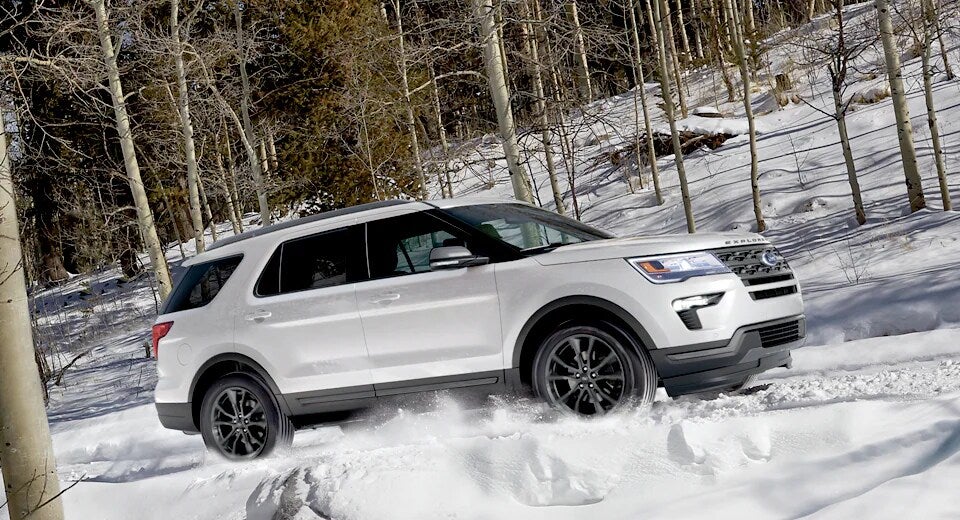
Check out these Fun Outdoor West Michigan Road Trip Destinations

With Labor Day marking the unofficial end of the summer season, you might be looking to have one last hurrah through West Michigan before the colder weather arrives. Road trips are a fun, inexpensive way to see Michigan and visit places you'd otherwise never see. Best of all, day trips don't require a whole lot of planning, given that your vehicle is in good, working order. If you want to be sure before you hit the road, trust the experts at the Borgman Service Center to thoroughly inspect your vehicle. We'll make sure your tires, brakes, fluids, and other systems are in ship-shape so can focus on exploring Michigan with confidence. Ready to hit the road to adventure? Take a look at these three fun destinations all within a reasonable distance of Grand Rapids, and better yet, they're all outdoors so you can enjoy your trip at minimal risk during the pandemic. Nordhouse Dunes Wilderness Area 113 Miles | 2 Hour Drive from Grand Rapids, MI Located just north of Ludington, MI, and situated between the Lake Michigan lakeshore and Hamlin Lake, Nordhouse Dunes are a great destination for people who love nature, hiking, and camping. Whether you enjoy the view from atop a 140-foot dune or strolling through the woods to observe the wildlife, there's plenty to explore in this 3,450 acre National Forest. The Nordhouse Dunes are popular among hikers and campers, with about 10-miles of trail accessible from 2 developed trailheads at the end of Nurnberg Road and the Lake Michigan Recreation Area. Best of all, you're only a short trip from the Ludington State Park & Campgrounds, or the many bars and restaurants in Ludington itself. Be sure to check ahead though in case you need to make special arrangements during COVID-19. You can learn more about Nordhouse Dunes Wilderness Area and plan your trip here. Silver Lake State Park 76 Miles | 90 Minute Drive from Grand Rapids, MI For those that want a little more thrill from their day-long road trip, Sand Lake is a popular destination. Here, you can put your ORV through its paces in the Off-Roading Area, rent 4-wheelers, go on dune rides, and more. There's also a campsite if you plan on staying overnight, but you'll likely need to make a reservation in advance so be sure to call ahead. This State Park encompasses just under 3,000 acres of lakeshore dunes and beach, and calls off-road enthusiasts from all over, as it's the only place you can drive on sand dunes in the eastern United States. You can also bring your boat and enjoy the scenery from the water! You can learn more about Silver Lake Dunes here. Saugatuck Dunes State Park 39 Miles | 35 Minute Drive from Grand Rapids, MI If you're looking for something more leisurely like a long walk on the beach, we suggest taking a look at the Saugatuck Dunes State Park. Just a short while north from Saugatuck's Oval Beach, this small state park offers 2 and a half miles of secluded coastline along Lake Michigan and roughly 1,000 acres of dunes and rolling hills to explore. Though camping is not permitted here, it's still a fantastic place to spend the day and watch the sunset over the lake. In addition to being relatively close to Grand Rapids, it's also within minutes of Saugutuck's downtown area, with various shops, art galleries, restaurants, and ice cream parlors. Be sure to check in to see which businesses are operating this year though, as some are only allowing a limited number of people inside. Learn more about Saugatuck Dunes here. Make Sure Your Vehicle is Road-Trip-Ready at the Borgman Service Center in Grand Rapids, MI Taking one last trip out of town is a great way to have fun with the whole family. By exploring West Michigan's state parks, you're also having fun safely by avoiding enclosed spaces and places with crowds of people. If you're planning on getting out there before the summer ends, schedule a checkup at the Borgman Service Center. Our experts can make sure you're up on your regular maintenance, fluids are topped up, tires are in good shape, and find unexpected problems before you hit the road. Schedule your appointment online and be sure to check out our latest Service Specials. During your visit, we'll make sure you understand everything we find about your vehicle so you can make informed decisions, then make the necessary repairs in a timely manner. Come see why we're the Best in the West!

How Do Vehicle Air Conditioners Work, and When Is It Time To Have Them Serviced?

Though West Michigan has gotten a brief reprieve from the summer heat, more warm weather is surely on its way. Driving in a hot car is downright miserable, so if it's been a few years since your air conditioning system has been inspected, or it's just not working as well as it used to, then it's time to come into the Borgman Service Center for an inspection. Though sometimes spotting an issue with your a/c isn't as cut and dry as "it's working or it isn't." In this article, we'll cover how air conditioners work as well as point out signs that it may be time to have your air conditioning system serviced. How Your Vehicle's Air Conditioning System Works Using your air conditioner is pretty easy. You push the A/C button, turn the temperature gauge to cool, and select whether to draw in air from outside the vehicle or recirculate the air inside the cabin. Some newer Ford Vehicles may also have dual-zone climate control with thermostats, or separate controls in the back of SUVs. No matter which type of system your vehicle uses, the principles of how the air is cooled remains largely the same. But how does the system take hot, humid air and turn it into chilly, dry air? You might recognize some of these concepts from your high school chemistry class. It's all basic thermodynamics. In essence, what's happening is this: hot, humid air is drawn in from outside, a refrigerant absorbs the heat as it turns from a liquid into a gas, the moisture in the air condenses into water, and the remaining cool dry air is blown into your vehicle. Then, a pump called the compressor pressurizes the refrigerant so this process can start all over again. The two basic parts of the air conditioning system are the compressor and the condenser. Refrigerants boil at room temperature, so when they're exposed to air coming into the cabin, they suck up heat energy from that air and turn into a gas. A fan blows the resulting cold air into your vehicle and the hot refrigerant gas is returned to the compressor. Here it is pressurized and transformed back into a liquid inside the condenser, which looks a lot like a second radiator. When this happens, the heat it absorbed to become a gas is released back outside. After the pressure is released at the expansion valve, the liquid refrigerant is free to grab more heat and turn back into a gas, and the cycle repeats. In case you were wondering how the refrigerant changes back into a liquid and releases its heat, this naturally happens when gasses are pressurized. The opposite happens when liquids are depressurized - you can boil water with a strong enough vacuum pump, no heat required! Boiling is actually when a liquid's molecules have enough energy to break free from surrounding molecules - turning from a liquid into a gas. Heating a liquid adds this required energy while lowering the pressure lowers the amount of energy needed. How Do I Know When There Is A Problem With My Air Conditioning? Now that we've covered the basics of how your vehicle's air conditioner works, you're probably already thinking of how different pieces of the system not working would present themselves. For instance, if your a/c is only blowing cold air on the highway, your condenser probably isn't getting enough airflow. It could be that the metal fins are bent, or it's clogged with dead bugs or other detritus. It could be that you do get cold air, but it's not very cold at all. In this case, it's possible that you have a refrigerant leak, and need to take it into the Borgman Service Center as soon as possible. The gasses inside older air conditioners destroy the ozone layer, and the newer ones are powerful greenhouse gasses. Do not use the a/c recharge cans from the auto parts store - refrigerant gas is very harmful to breathe, and illegal to discharge into the environment. If your air conditioning doesn't work at all, it could be your compressor, but our team of highly-trained technicians will be able to find the cause and keep you informed while we make repairs. If you are having a different problem with your a/c, we can help you find and fix the issue there as well. Normal Things Air Conditioners Do That May Look Like Issues Sometimes, you might see your vehicle's air conditioner doing things that look like issues but aren't issues at all. The most common non-issue we get asked about is, "why does smoke or steam come out of the air conditioning vents?" While this might look alarming, we assure you it's completely normal. Cold, dry air is meeting the hot humid air inside your vehicle and causing it to condense. This is actually how clouds form, and nothing to worry about. However, if the vapor lingers or smells like something is burning, it's worth calling us at the Borgman Service Center. The other thing you might notice on a particularly humid day is a large puddle under your parked vehicle after a drive. If you blot the puddle with a paper towel, you'll likely see this is just water. As the hot humid air is cooled in the air conditioner, moisture is drawn out of the air, condenses into water, and is drained out of the vehicle. It's the same concept as a cold soda can sweating in the heat. However, if you're noticing the interior carpet getting damp while running the air conditioner, those drains are clogged and need to be cleared out. The carpets should also be thoroughly cleaned before mold forms. Have Your Air Conditioner Inspected at the Borgman Service Center in Grand Rapids, MI If your air conditioning isn't blowing cold air the way it used to, or you're getting ready for your next adventure in West Michigan and want to be prepared, schedule an appointment with the Borgman Service Center today. Our friendly and highly-trained service technicians will inspect your air conditioning system for leaks, airflow, and problems with the electronics and report back our findings with an easy-to-understand report. As always, if you have any questions during your visit, our service advisors are here to help you make informed decisions about your vehicle. Come see why we're the Best in the West!

What Is A Coolant Flush and Why You May Need One Before Exploring West Michigan This Summer

With summer coming up, it's important to know that your vehicle's cooling system is running at peak capacity. Whether you're planning a simple road trip across West Michigan with the family or towing the boat out to Lake Michigan, your radiator and coolant play vital roles in keeping your engine running. Overlooking problems, or simply being unaware of them can sideline your vehicle in moments, so trust the experts at the Borgman Service Center in Grand Rapids to inspect your vehicle before starting your adventure. This month, we're talking about coolant system flushes, why they're important, and how often you should have one done. What Do Radiators & Coolant Do? Your vehicle's radiator is a large heat exchanger located at the very front of your vehicle. A fan pulls heat away from the hot engine while the coolant moves throughout it, absorbing heat as it works its way through channels. When the pressurized coolant moves through the zig-zag of pipes in the radiator, the heat is released outside of the vehicle. The coolant is then returned to a reservoir where the process starts all over. When your engine burns gasoline to produce power, heat is released as a result. If not for the radiator and coolant, this heat would build up in the engine and start warping the metal components. This will quickly damage the engine and often require a complete replacement. Why Do You Need A Coolant Flush, And How Often? The Borgman Service Center recommends having your coolant flushed every 30,000 miles or every 5 years, whichever comes first. As it's used, the coolant begins to break down and lose the chemical properties that allow it to absorb heat more readily than plain water. Coolant also had properties that prevent corrosion. Once the coolant starts to break down, contaminates and corrosion can start to build up within the coolant lines, impacting efficiency and possibly damaging the radiator. Flushing the coolant means draining the old coolant out, using new coolant to flush the contaminants out, and then filling the system with new, fresh coolant. When done at regular intervals as recommended, coolant flushes keep your radiator and engine running at peak efficiency and extend the life of these components. Radiator Flushes & Maintenance at the Borgman Service Center in Grand Rapids Heading out of town this summer? Trust the experts at the Borgman Service Center in Grand Rapids to make sure your vehicle is running at peak efficiency. We offer many services from oil changes, coolant flushes, and complete repairs. No matter what your vehicle needs, our highly-trained technicians can handle it. Schedule your appointment online today and don't forget to check our latest Service Specials. We're also offering Free Pickup & Delivery during the Michigan shelter in place order. It'd be our pleasure to serve you. Come see why we're the Best in the West for over 60 years!

Essential Workers Get The Works Free from Borgman Ford

Borgman Ford salutes our essential workers in West Michigan fighting on the front lines of the COVID-19 outbreak. It is our absolute pleasure to show thanks to them through a new program from Ford. Essential Workers can visit the Borgman Service Center now through June 30th and get "The Works" service package free for their vehicle. To reap the rewards of this program, all eligible customers must be enrolled in the FordPass Rewards Program and will receive enough points to their account to cover the cost of one The Works package. Though you must claim your points before June 30th, 2020, the points may be redeemed at a later date. To be eligible, customers must provide verification of employment such as a badge, pay stub, name tag, business card, an official letter stating essential worker status, or another form of verification that will align with a qualifying job category. With The Works, you will get everything you need to maintain the performance of your vehicle including tire rotation and pressure check, brake inspection, vehicle inspection, fluid top-off, battery test, filter check, plus a belts and hoses check. If you're not enrolled in FordPass Rewards, registration is easy. Simply visit this page and fill out the form. Soon, you'll be earning points for things you do every day, then using them for discounted services at the Borgman Service Center. If you have any questions at all about this program, FordPass Rewards, The Works service package, or anything else, please do not hesitate to Contact Us. Again, we extend our sincerest gratitude to West Michigan's essential workers. Thank you for all that you do, and it'd be our pleasure to serve you.

Contact Us

Fill out this form below and we'll contact you shortly
*Required Fields