
Blog / Parts

How Do Anti-Lock Brake Systems Work?

Anti-Lock Braking System (ABS) is a technology that works while you drive, ensuring that your braking system restores vehicle control when you start to feel out of control (in the case of a skid, for example). Dating back to the 1920s, anti-lock braking didn’t become standard on vehicles across the world until three decades ago, which was a major improvement in safety while driving in adverse or unstable conditions. Understanding why they’re part of your vehicle’s mechanical system and how it works is critical for knowing when it’s working in order to keep your driving as safe as possible, and when they’re not working and it’s time to bring it into the Borgman Service Center.

How Does ABS Work?
ABS ensures your brakes don’t lock in a position that may encourage skidding or loss of vehicle control — meaning, it initiates a slowdown in wheel rotation and automatically adjusts braking application (think a pumping mechanism) to make sure you don’t slide when you slam on the brakes. Essentially, it’s working in the background to help you stop safer whenever you initiate a hard, immediate cessation of speed. The pulsing brake pattern helps you maintain control.

How is ABS Built?
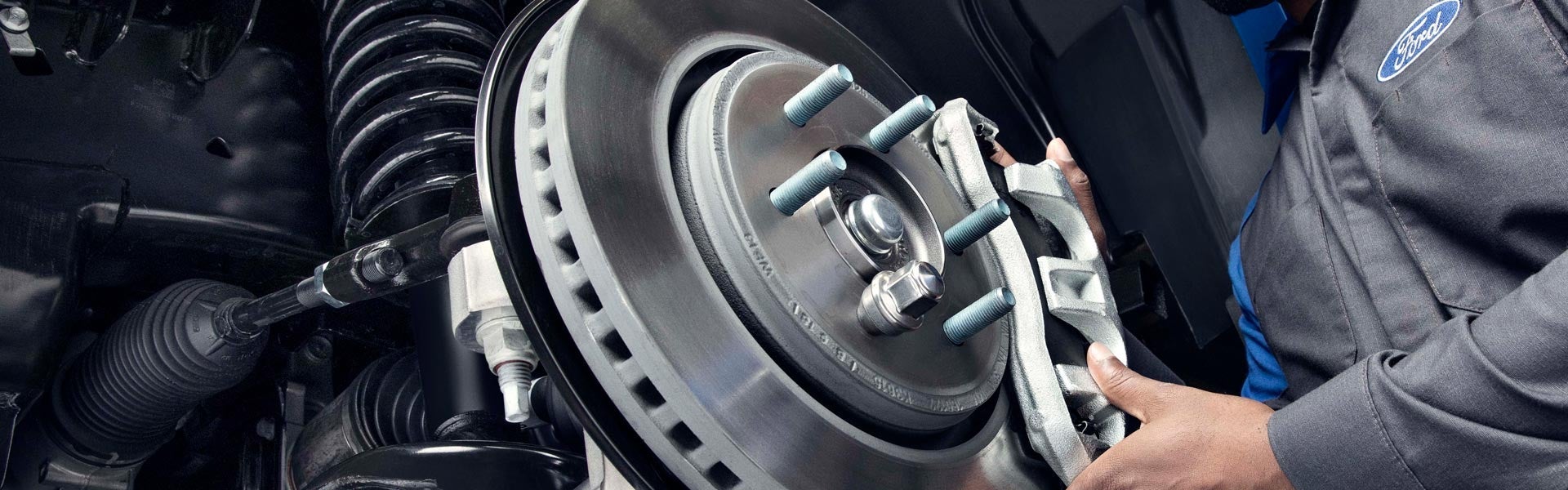
Generally, ABS has up to four wheel sensors that read or measure (by magnetism, for example) when tire rotation has dramatically shifted — so when the wheel stops rotating in a brake or significantly slows. When combined with an anti-lock control module and hydraulic control point, deliver pulsing pressure when your car is sliding or skidding. The best way to ensure you’re not skidding is not to apply the pumping to the brakes yourself, but rather to push the pedal down as hard and consistently as you can and let the ABS do as it’s designed to do.

ABS Repair
ABS functionality is part of the warning control module of a vehicle, meaning it’s designed to notify you when it’s off-kilter. Typically, the error is in one of the sensors, not in the ABS functionality. However, it’s important for you to bring your car in when you’re notified of an ABS malfunction immediately. If it’s a sensor, it’s likely debris has injured one or more of the sensors, and is an easy fix. If it’s your ABS, you shouldn't be driving without it. The Borgman Service Center will ensure your brakes are working properly, that ABS is responsive, and that your sensors are clear and operating flawlessly. For maximum efficiency, a working ABS should also be paired with good-condition braking pads and rotors, too!

Of course, the best way to ensure you’re ABS is working properly is to come into Borgman Service Center and let us take a look. The Works is a check-up package that includes tire rotation and pressure check, a routine brake inspection, vehicle checkup, fluid top-off, battery test, filter check, and belts and hoses check for $44.95. Stay safe and stay informed, especially during the variable weather in Michigan as the seasons change! Check out our Service Specials and Schedule Your Appointment online today. If you have any questions, our friendly and knowledgeable staff is here to help so please feel free to contact us. Come see why we're the Best in the West!
Posted in:

Related Posts

F-150_Lightning_Hero8

2026 Towing Guide: Pro Tips For a Successful Summer Trip

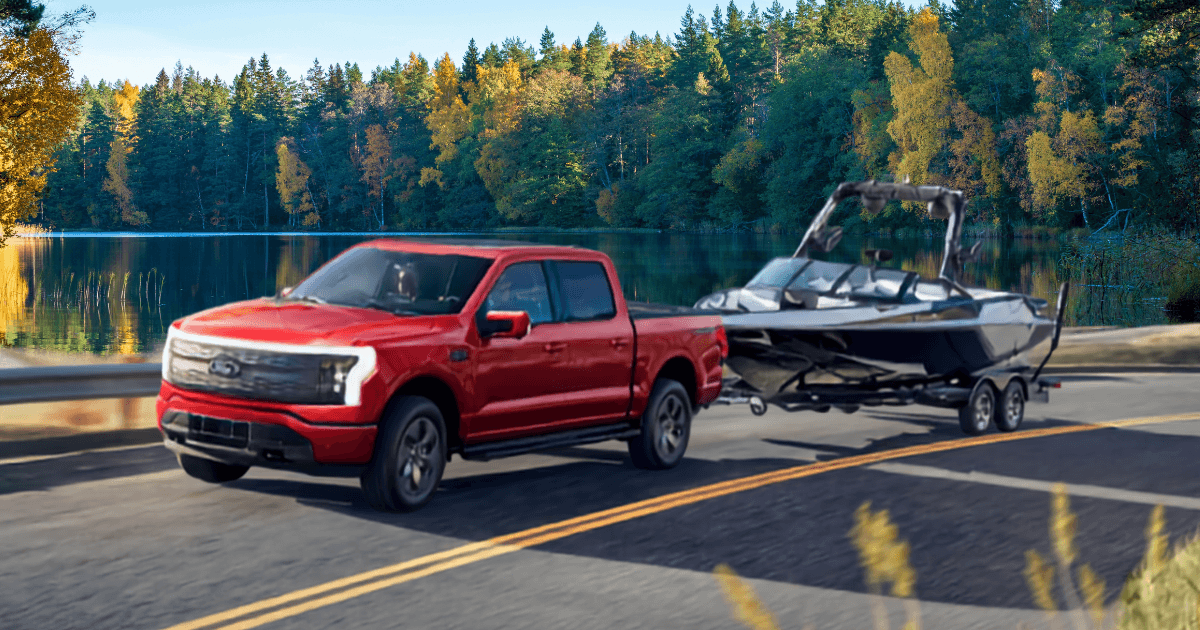
The summer towing season is finally here! At Borgman, we know the West Michigan summer is best enjoyed with a boat, camper, ATV, dirt bikes, or whatever else you want to bring with you to your favorite getaway. While getting out of town and enjoying the warmer weather is great, making sure you tow your trailer safely is important, too. Take a look at our revised towing guide for a quick tutorial (or refresher) on what to do, what not to do, and then head to the Borgman Service Center for a pre-vacation checkup or to have new towing equipment installed! more 2026 Towing Guide for West Michigan Adventurers Before Hitting The Road: If you're reading this in preparation for towing for the first time, it's worth visiting Borgman to ensure your vehicle is properly equipped. We will make recommendations about which parts will be necessary to tow your trailer or camper safely, then order the parts for you and install them as soon as possible. That way, your vehicle spends less time in the shop and more time out on the road, and you're towing with confidence. To see what parts are available for your vehicle and the current pricing, visit Accessories.Ford.com. Finally, even if your vehicle is properly equipped and you're a towing veteran, getting a quick checkup before setting out is critical for everyone's safety and prolonging the life of your vehicle. Take a look at our Service Specials and Schedule An Appointment today. Weight Distribution For the best braking and handling performance, your vehicle's load must be properly distributed - keeping the center of gravity as low as possible. Approximately 60% of the allowable cargo weight should be in the front half of the trailer, and the rest in the rear (consult limits of tongue load or king pin weight!) The load should be balanced from side to side, too, and must be firmly secured to prevent shifting during cornering or braking. Backing Up With A Trailer If you've never done this before, you might want to get some practice in before needing to do it "out in the wild." All you need to do is back up slowly, and have someone help you by standing behind the trailer guiding you in. Put one hand at bottom of the steering wheel and move it in the direction you want the trailer to go. Make small steering movements - the trailer will move more than you'd expect. Remember, you can always go forward to readjust or start over. Backing up a trailer can be tricky! Braking Remember, your vehicle is going to be heavier so it'll take longer to stop. Some Ford Vehicles equipped for towing will include electronic braking assistance for your vehicle and your trailer if it has brakes, but it's still good practice to drive more defensively. Allow more space between you and the vehicle in front of you to give yourself time to stop safely. If your trailer starts swaying, the easiest way to correct it is to gently speed up. If that's not helping and your vehicle is equipped with electric brakes and a brake controller, activate the trailer brakes with the brake controller by hand. Do not apply the tow vehicle's brakes as this can make things worse. Towing On Hills Downshift the transmission to assist braking when going down steep hills and to increase power (reduce lugging) when climbing hills. With the Ford TorqShift® transmission, simply select tow/haul mode to automatically eliminate unwanted gear search when going uphill and help control your vehicle speed when going downhill. Parking With A Trailer Whenever possible, vehicles with trailers should not be parked on a hill - even on a slight incline. If it can't be avoided, you can place wheel chocks under the trailer's wheels, following the instructions below: Apply the foot service brakes and hold Have another person place the wheel chocks under the trailer wheels on the downgrade side Once the chocks are in place, release the brake pedal, making sure the chocks will hold the vehicle and trailer Apply the parking brake Shift the automatic transmission into park or the manual transmission into reverse With 4-wheel drive, make sure the transfer case is not in neutral (if applicable) Acceleration And Passing The added weight of the trailer can dramatically decrease the acceleration of the towing vehicle - exercise caution. When passing a slower vehicle, be sure to allow extra distance. Remember, the added length of the trailer must clear the other vehicle before you can pull back in. Signal and make your pass on level terrain with plenty of clearance. If necessary, downshift for improved acceleration. If you'd like to read our other, more expansive version of this guide, click here. Towing Something This Summer? Visit The Borgman Service Center First! Safety should be your number one priority when towing. While driving defensively and being more aware of your surroundings is critical, making sure your vehicle is ready and capable is equally important. The Borgman Service Center will ensure your engine, tires, brakes, and more are all in good condition, see that your fluids are topped up, and make sure your towing equipment is working properly. If your vehicle needs any new equipment or upgrades before towing something large like a camper, our team can help you with that as well.  We'll help you make informed decisions and install these parts to exact specifications.  And now you can use your FordPass Rewards Points to buy needed accessories and have them shipped to Borgman for installation.. Schedule Your Appointment

When Was The Last Time You Replaced Your Vehicle's Air Filters?

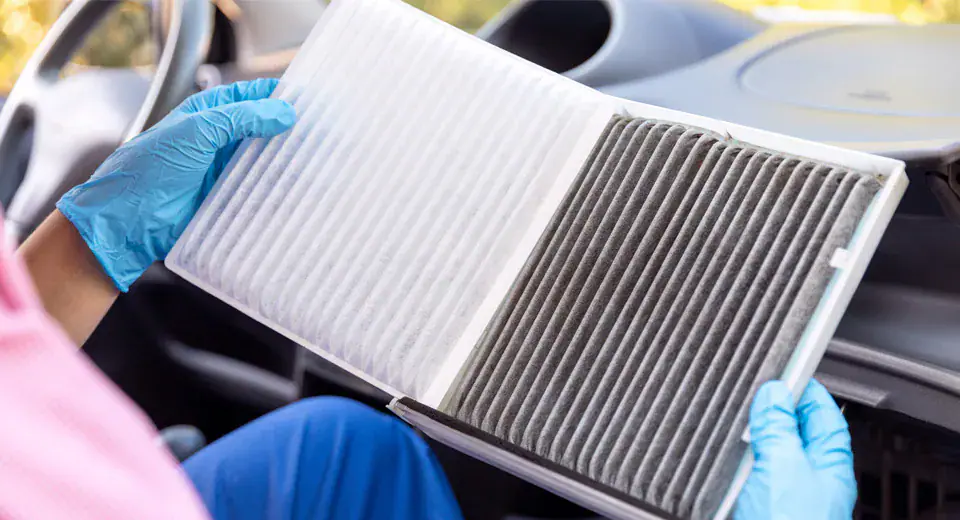
When was the last time you replaced your cabin air filter? In the spring, you’re likely inhaling more allergens, irritants, and pollutants. Your vehicle breathes too, and clogged filters mean it’s working harder than it needs to. Cabin Air Filters should be changed at least every 30,000 miles, but if you frequently drive in areas with a lot of pollution, you should change it sooner. The same goes for your engine air filter. If you have all of your regular maintenance done at Borgman, we keep track of these things and let you know when it's time. If you're just a tiny bit handy, both of these parts are easy enough to find and check. Cabin Air Filters are usually located behind your glove box, and the Engine Air Filter is right on top when you open the hood. Your manual will tell you exactly where they are, and what size you need. When you pull them out, most of the time it'll be pretty apparent if they need to be changed. However, if you're short on time or need help, Borgman is here to make sure you breathe easy this summer. What The Cabin Air Filter Does Your cabin air filter does exactly that - filters the air coming into your vehicle from outside. They're made of pleated material designed to trap incoming pollutants like dust, pollen, spores, and other particulates in the air and prevent them from entering the cabin when the heat or AC is on. When your filter starts to get clogged up with these pollutants, you might notice first that your vents don't blow as strong as they used to. Next, you might notice a musty smell, and then finally a whistling noise, as air is forced to find its way through gaps. Simply changing the filter will correct all of these issues at the source, but it may take some extra cleaning to get the musty smell out. If you're having trouble finding or replacing your cabin air filter, talk to the experts at Borgman - we'll have it replaced for you in no time. What The Engine Air Filter Does Just like how the Cabin Air Filter keeps airborne gunk out of your interior, the Engine Air Filter keeps the same things from getting inside your engine. These usually look like a bigger version of a Cabin Air Filter and are most commonly a cartridge style. However, some older or custom vehicles will have a drum style. Your engine needs three things to turn the wheels: fuel, spark, and fresh air. Just as your fuel filter removes any fine particulate, your air filter removes dirt, pollen, and other contaminants so they don't mix with fuel and coat your engine parts with carbon. If you don't have this filter changed, you'll notice your engine feeling sluggish and using more fuel to get moving. It makes sense when you think about it - try running a mile while holding your breath. Eventually, air will find its way in, carrying things the filter is supposed to be keeping out, and that means really expensive repairs. Borgman Service Center in Grand Rapids Helps You And Your Vehicle Breathe Easier If you're wondering when the last time your air filters were changed, give us a call at the Borgman Service Center. If you have us do all of your maintenance, we can check your file and let you know if you're overdue or not. If this is your first time with us, we'll take a look at both and make an honest recommendation. However, if you're in doubt, these are fairly inexpensive parts to replace. To get started, use our easy Online Scheduler to make your appointment, then check out our Service Specials for the latest discounts. We've been keeping West Michigan moving since 1960, and it'd be our pleasure to serve you. Come see why we're the Best in the West!
Sluggish Vehicle? You May Need A New Fuel Filter!

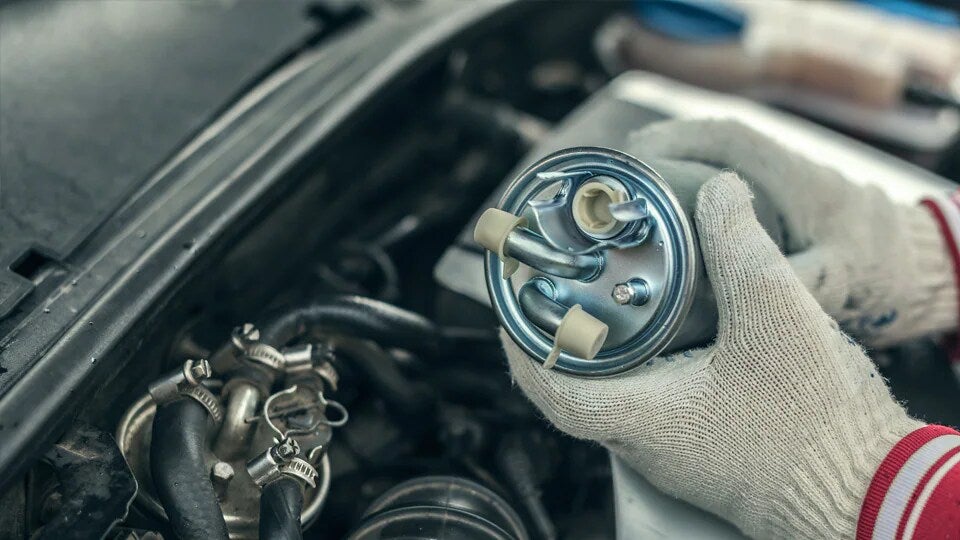
At the Borgman Service Center, we sometimes hear our Grand Rapids customers ask us about car myths out of concern for their vehicle. A common one is that you're not supposed to buy fuel while the delivery truck is refilling the gas station's supply tank. To put the matter to rest for our West Michigan readers, people think this is because it "stirs up sediment" that will end up in your engine. It simply isn't true. Your vehicle comes equipped with fuel filters to prevent dust, dirt, rust, sediments, and other impurities before they reach the engine. Today, there are also filters at the refinery, in the delivery truck, and in the gas pump itself, so the chances of this being an issue are near zero. However, like most other filters in your vehicle, fuel filters can compromise your engine when they fail. We'll explain how fuel filters work, where they're usually located, and when it's time to replace them. How Do Fuel Filters Work? What Are They Made Of? Like most filters, fuel filters consist of two parts: a cartridge, and media. In the case of fuel filters, the outside is usually a metal tube that's filled with special paper media or another synthetic, permeable membrane. When under pressure, the fuel is squeezed through these membranes (think high-tech coffee filter) which traps dust, dirt, sand, rust, pollen, or any other contaminants from the fuel before they enter the engine. It's also important to note that modern fuel contains detergents to dislodge anything too small to be caught by the fuel filters. Where Can I Find My Vehicle's Fuel Filters? Vehicles typically have two fuel filters. The first is more of a mesh screen and is attached directly to the fuel pump. While this makes it inaccessible, it does not typically need servicing for the life of the fuel pump. The second fuel filter is located on the main fuel line itself, and if you look beneath your vehicle you should be able to see it. We don't recommend attempting to replace it yourself* but if you suspect you have a fuel leak, this is a good place to check. Simply follow the lines from the gas tank along the bottom toward the engine. *Replacing fuel filters involves the risk of fire from spilled gasoline coming into contact with hot vehicle parts, fuel leaks while driving, and other potentially dangerous scenarios. Let the pros at the Borgman Service Center perform this task and save yourself the risks and frustrations. How Do You Know When Your Fuel Filter Needs To Be Replaced? Even without overt symptoms, we recommend replacing your fuel filter every two years or 30,000 miles, whichever comes first. However, many people only turn their attention to their fuel filters when there's an issue. This often results in costlier repairs. When your fuel filter needs replacing, there are usually some tell-tale signs. Here are some of them, but if you notice your vehicle acting strange and don't see the last time your fuel filter was replaced, schedule an appointment with the Borgman Service Center right away. Engine Feels Sluggish: This is the most tell-tale sign that your fuel filter needs replacing. It might be subtle at first, but you'll notice this when climbing hills, and then when starting from a complete stop. This is because your engine is running lean - without enough gasoline. Trouble Starting Your Vehicle: If you're having trouble starting your engine in the morning, but you hear the starter motor running at normal speed, you might not be getting enough fuel, like what we described above. Rough Idle or Stalling: This is a more progressed symptom of the first problem we've listed. Here, the problem is so severe that your engine behaves like you're pressing the throttle and releasing it, but at idle. If the engine gets too little fuel, it stalls out altogether - a dangerous (and embarrassing) situation on the road! Other Parts Failing: If your fuel filter is saturated with junk, your fuel pump has to work harder to deliver fuel to your engine. This causes the issues described above, but also will prematurely wear out your fuel pump - a costly repair. If enough pressure builds up in the fuel filter, it can allow contaminants through and clog fuel injectors too, which can present as a misfire. Vehicle Feeling Sluggish? Visit the Borgman Service Center! If you've been noticing that your vehicle doesn't quite have the pep that it used to, or if you're not sure when your fuel filter was last replaced, schedule an appointment with the Borgman Service Center! Our experts will check your vehicle for issues, and make recommendations based on our findings. However, if a repair is not critical, we will make this clear to you during your appointment so you can make informed, yet pragmatic decisions about your vehicle. To get started, use our easy Online Scheduler to make your appointment, and then check out our latest Service Coupons for savings on the services you need. If you have any questions, feel free to Contact Us. Come see why we're the Best in the West!