
Blog / News

Blog

All News New Inventory Service Community Events Fleet Parts Social Green Ford Information Body Shop Grand Rapids Ford Dealer People Finance Pre-Owned Inventory
F-150_Lightning_Hero8

2026 Towing Guide: Pro Tips For a Successful Summer Trip

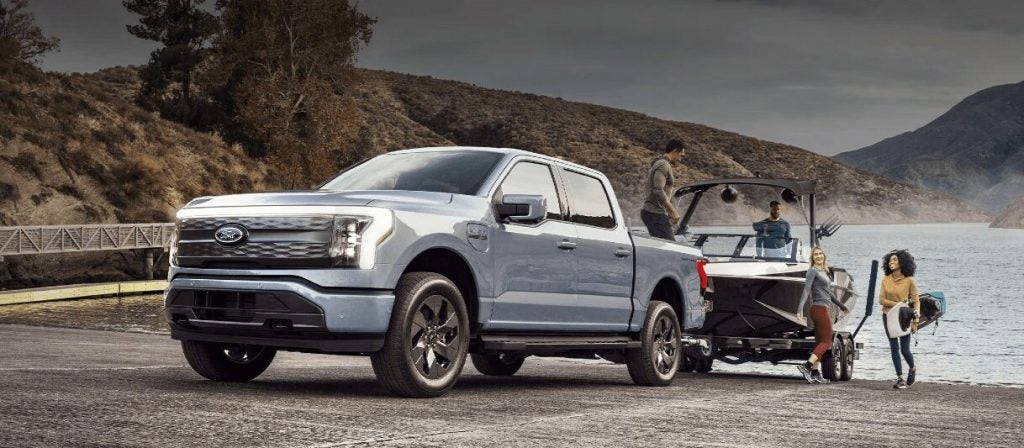
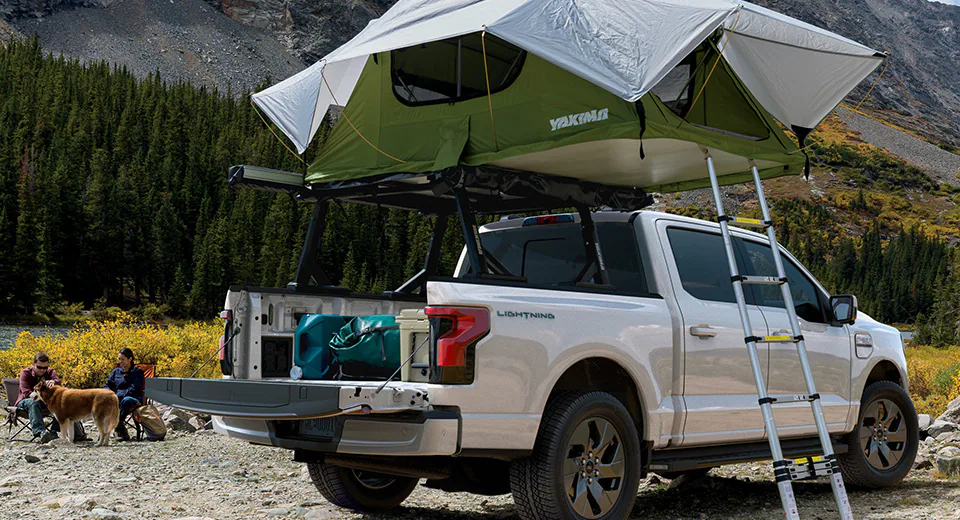
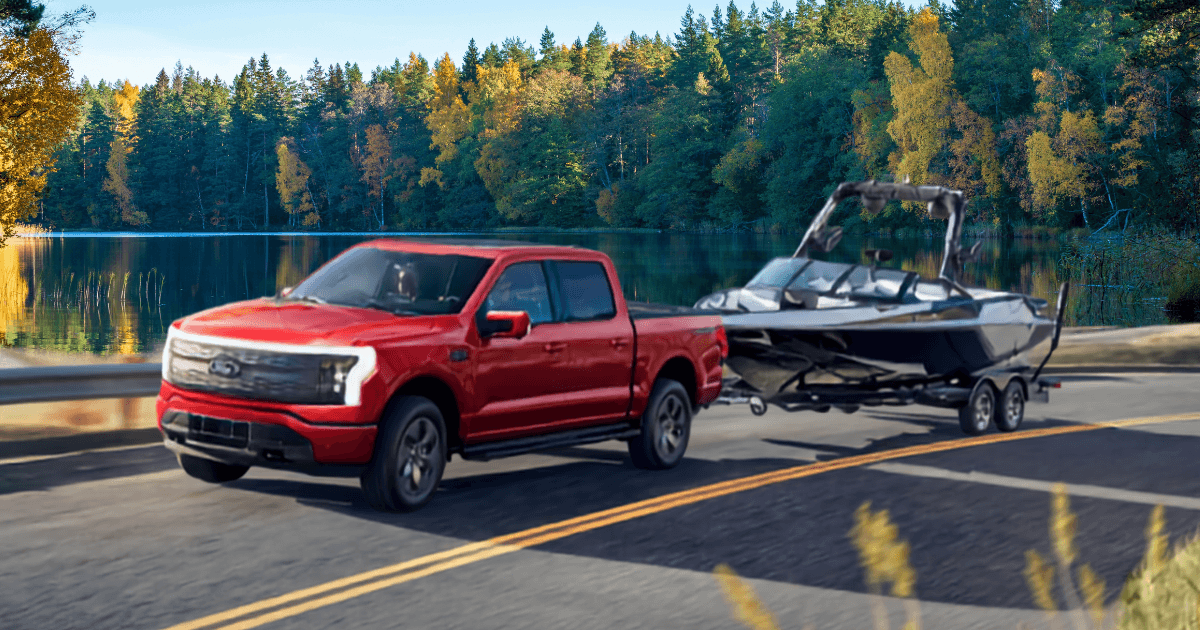
The summer towing season is finally here! At Borgman, we know the West Michigan summer is best enjoyed with a boat, camper, ATV, dirt bikes, or whatever else you want to bring with you to your favorite getaway. While getting out of town and enjoying the warmer weather is great, making sure you tow your trailer safely is important, too. Take a look at our revised towing guide for a quick tutorial (or refresher) on what to do, what not to do, and then head to the Borgman Service Center for a pre-vacation checkup or to have new towing equipment installed! more 2026 Towing Guide for West Michigan Adventurers Before Hitting The Road: If you're reading this in preparation for towing for the first time, it's worth visiting Borgman to ensure your vehicle is properly equipped. We will make recommendations about which parts will be necessary to tow your trailer or camper safely, then order the parts for you and install them as soon as possible. That way, your vehicle spends less time in the shop and more time out on the road, and you're towing with confidence. To see what parts are available for your vehicle and the current pricing, visit Accessories.Ford.com. Finally, even if your vehicle is properly equipped and you're a towing veteran, getting a quick checkup before setting out is critical for everyone's safety and prolonging the life of your vehicle. Take a look at our Service Specials and Schedule An Appointment today. Weight Distribution For the best braking and handling performance, your vehicle's load must be properly distributed - keeping the center of gravity as low as possible. Approximately 60% of the allowable cargo weight should be in the front half of the trailer, and the rest in the rear (consult limits of tongue load or king pin weight!) The load should be balanced from side to side, too, and must be firmly secured to prevent shifting during cornering or braking. Backing Up With A Trailer If you've never done this before, you might want to get some practice in before needing to do it "out in the wild." All you need to do is back up slowly, and have someone help you by standing behind the trailer guiding you in. Put one hand at bottom of the steering wheel and move it in the direction you want the trailer to go. Make small steering movements - the trailer will move more than you'd expect. Remember, you can always go forward to readjust or start over. Backing up a trailer can be tricky! Braking Remember, your vehicle is going to be heavier so it'll take longer to stop. Some Ford Vehicles equipped for towing will include electronic braking assistance for your vehicle and your trailer if it has brakes, but it's still good practice to drive more defensively. Allow more space between you and the vehicle in front of you to give yourself time to stop safely. If your trailer starts swaying, the easiest way to correct it is to gently speed up. If that's not helping and your vehicle is equipped with electric brakes and a brake controller, activate the trailer brakes with the brake controller by hand. Do not apply the tow vehicle's brakes as this can make things worse. Towing On Hills Downshift the transmission to assist braking when going down steep hills and to increase power (reduce lugging) when climbing hills. With the Ford TorqShift® transmission, simply select tow/haul mode to automatically eliminate unwanted gear search when going uphill and help control your vehicle speed when going downhill. Parking With A Trailer Whenever possible, vehicles with trailers should not be parked on a hill - even on a slight incline. If it can't be avoided, you can place wheel chocks under the trailer's wheels, following the instructions below: Apply the foot service brakes and hold Have another person place the wheel chocks under the trailer wheels on the downgrade side Once the chocks are in place, release the brake pedal, making sure the chocks will hold the vehicle and trailer Apply the parking brake Shift the automatic transmission into park or the manual transmission into reverse With 4-wheel drive, make sure the transfer case is not in neutral (if applicable) Acceleration And Passing The added weight of the trailer can dramatically decrease the acceleration of the towing vehicle - exercise caution. When passing a slower vehicle, be sure to allow extra distance. Remember, the added length of the trailer must clear the other vehicle before you can pull back in. Signal and make your pass on level terrain with plenty of clearance. If necessary, downshift for improved acceleration. If you'd like to read our other, more expansive version of this guide, click here. Towing Something This Summer? Visit The Borgman Service Center First! Safety should be your number one priority when towing. While driving defensively and being more aware of your surroundings is critical, making sure your vehicle is ready and capable is equally important. The Borgman Service Center will ensure your engine, tires, brakes, and more are all in good condition, see that your fluids are topped up, and make sure your towing equipment is working properly. If your vehicle needs any new equipment or upgrades before towing something large like a camper, our team can help you with that as well.  We'll help you make informed decisions and install these parts to exact specifications.  And now you can use your FordPass Rewards Points to buy needed accessories and have them shipped to Borgman for installation.. Schedule Your Appointment
F-150_Lightning_Hero8

Head-To-Head: 2026 Ford F-150 Lightning vs. 2026 Chevrolet Silverado EV

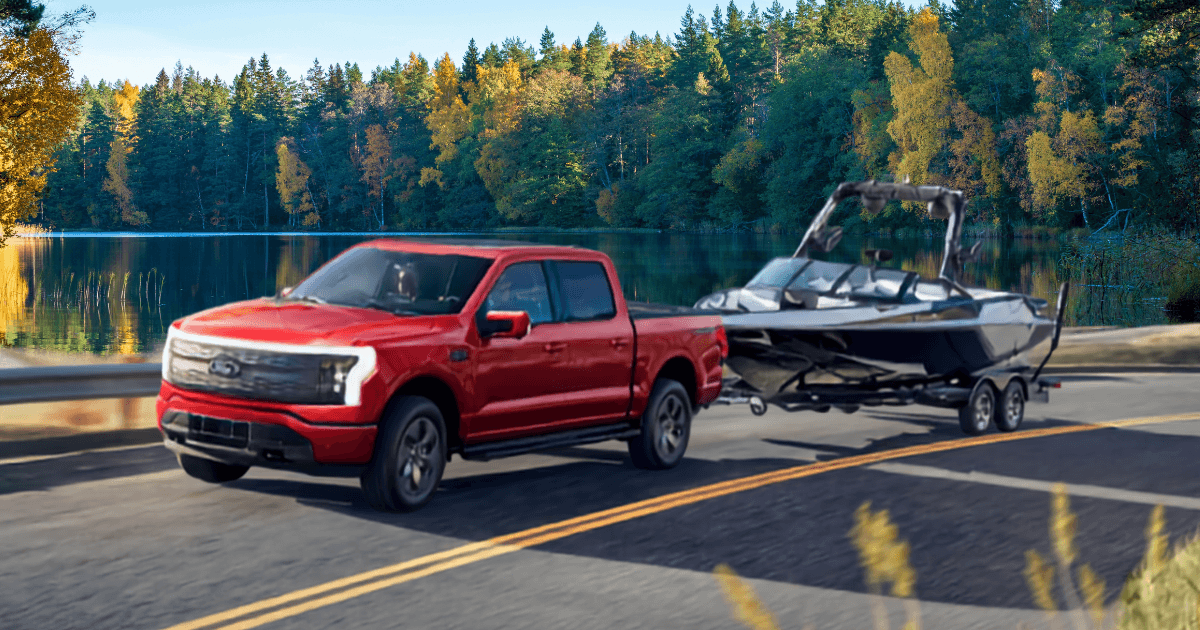
There are many benefits to driving a modern pickup, especially if you live in West Michigan. You get a rugged chassis that can stand up to tough jobs, a spacious, open bed for hauling cargo, and powerful engines that can tow boats, campers, ATVs, or whatever else to your favorite Michigan hideaway. A fully electric pickup truck can do all of these things without skipping a beat, with the added benefit of ditching the gas pump for good. If you're shopping for a fully-electric pickup in Grand Rapids, the 2026 Ford F-150 Lightning and the 2026 Chevrolet Silverado EV are likely at the top of your list. Both have great value and capability, but a careful look into the details proves the Ford F-150 Lightning to be more versatile, human-friendly, tech-focused, and presents more overall utility. Join us in this Borgman Head-To-Head as we compare the two trucks based on several key factors! more Vehicle Range and Overall Efficiency We're all fairly well acquainted with shopping for a gasoline vehicle, but what makes one electric vehicle the smarter pick over the other? In short, look at each vehicle's power-to-weight ratios. This will give you an idea about how the vehicle handles, accelerates, and how far it can travel before needing a recharge. The Chevrolet Silverado EV utilizes a massive 205 kWh battery pack to achieve its 493 miles of EPA-estimated range. So, on paper, it appears to be more powerful in terms of raw battery capacity and peak driving range, but that's not the whole story. The Chevy Silverado EV has an astonishing curb weight of up to nearly 9,000 pounds, making it one of the least efficient electric vehicles ever built. That huge battery also means it can take anywhere from 10 to 18 hours to fully charge at home. The Ford F-150 Lightning weighs roughly 2,500 pounds less than the Silverado EV, and it utilizes its stored energy far more efficiently. It requires fewer kilowatt-hours to travel the same distance, resulting in lower residential electric bills. Furthermore, while the Silverado boasts faster peak DC fast-charging speeds, Ford drivers enjoy a massive infrastructure advantage. The Lightning features seamless access to both the BlueOval Charge Network and Tesla’s expansive Supercharger network, ensuring you will spend less time hunting for a compatible high-speed plug. The Lightning also charges in 8 to 13 hours on a home charger. The Ford F-150 Lightning offers two highly-optimized battery configurations: Standard-Range Battery: Yields up to 230 miles of EPA-estimated range. Extended-Range Battery: Increases range up to a robust 320 miles. Exterior Features and Overall Practicality Ford intentionally built the F-150 Lightning to look and work like an F-150. It retains the signature high-strength, military-grade aluminum alloy body and standard 5.5-foot bed. This means that the thousands of aftermarket caps, tonneau covers, toolboxes, and racks already designed for the gas-powered F-150 will bolt directly onto the Lightning without issue. The Lightning also features Ford's pull-out tailgate bed step, which wins because it's simpler and easier to operate on uneven jobsites when compared to Chevy's multi-piece tailgates. The Chevrolet Silverado EV was designed to look and feel distinct from the gas-powered Silverado, and while they've done some interesting things visually, it comes at the cost of usability. The most egregious are the sail panels behind the cab that limit side access to the truck bed. It's an example of a form-over-function misstep if you're looking for a vehicle that can do it all. Truck Cab Interior Fit & Finish The Ford F-150 Lightning prioritizes comfort, ergonomics, and premium textures. Upper trims treat drivers to genuine leather upholstery, real wood accents, and Max Recline Seats that fold nearly flat for power-napping on breaks. For professionals, the Lightning features a console gear selector that folds flat at the push of a button, deploying an Interior Work Surface. This creates a completely flat desk over the center console, perfect for signing documents, holding a 15-inch laptop, or eating lunch out of the elements. It carries forward the "mobile office" design philosophy Ford has become known for in their truck cabs. By contrast, the Chevy Silverado EV features a roomier cab but falls short in other areas. There's certainly room in there to work or eat lunch, but Ford's attention to the little details is absent from this close competitor. Multiple automotive reviewers have also noted that for a truck priced like a luxury vehicle, the cabin materials feel less-than-premium, featuring extensive hard plastics and gloss-black surfaces that readily attract dust and fingerprints. Infotainment & Tech Features Ford preserves driver choice with the intuitive SYNC 4 infotainment system. Featuring a massive touchscreen, complete with standard wireless Apple CarPlay and Android Auto, you can easily mirror your phone’s apps, ecosystem, and contacts the moment you start the truck. Chevrolet took a different approach and completely removed Apple CarPlay and Android Auto compatibility from the Silverado EV. This forces drivers to rely solely on a Google-built-in system. Put simply, you will not be able to use your preferred smartphone interface or maps. Driver Assistance and Safety Features Both the Chevy Silverado EV and Ford F-150 Lightning offer robust driver-assist packages, including lane-keeping systems, automated emergency braking, and blind-spot monitoring. However, the F-150 Lightning also includes Ford Co-Pilot360 and available BlueCruise hands-free highway driving. What truly sets Ford apart is driver visibility. The Silverado EV has thick roof pillars, a high hood line, and distinct side mirrors that can warp or compromise blind-spot visibility. The F-150 Lightning retains the traditional F-Series scalloped front windows and large greenhouse design, giving the driver a commanding, uncompromised view of the road. Packages, Trims, and Payload Capacity The Silverado EV rollout has been somewhat delayed, and heavily favoring commercial fleet Work Trucks (WT) before making expensive retail models available to individual buyers. By contrast, Ford offers a highly structured, accessible trim offering that caters to every budget, whether for use in a commercial fleet or as a family vehicle: Pro: A rugged, no-nonsense commercial tool. XLT: The volume-selling sweet spot balancing tech and value. Flash: A tech-forward trim combining the extended-range battery with premium options. Lariat & Platinum: Premium luxury tiers packed with high-end comfort features. Critically, the Lightning's lighter chassis rewards owners with a much higher maximum payload capacity of up to 2,235 pounds. The incredibly heavy Silverado EV maxes out its payload capacity at a much lower 1,400 to 1,500 pounds, meaning the Ford can actually haul significantly more cargo in its bed. Features Exclusive to the Ford F-150 Lightning Here's where the Ford F-150 Lightning’s superior engineering is on clear display. Ford has created a vehicle that's much more than a tool for getting you and your stuff from point A to B - it can become a key piece of your lifestyle. Here are two features that best demonstrate what we mean: 1. The Mega Power Frunk (with a Built-In Cooler) While the Silverado EV features a standard front trunk, the Lightning’s Mega Power Frunk opens all the way down to the bumper grille level. This creates a low liftover height, so you don't have to hoist heavy items over a high truck nose. It boasts 400 liters of lockable space, four 120-volt power outlets, and dual USB ports. Best of all, the floor features a removable drain plug. You can dump multiple bags of loose ice straight into the frunk to create a massive, built-in party cooler for tailgating, camping, or fishing. When you're done, just pull the plug to let the melted ice drain safely onto the ground. Ford Mega Power Frunk Features: 400 Liters of Space 4x 120V Outlets + 2x USBs Low Grille-Level Liftover Removable Floor Drain Plug 2. Intelligent Backup Power (True Home Generator Mode) Both trucks feature exportable power outlets in the bed to run tools. However, the F-150 Lightning elevates this with Ford Intelligent Backup Power. When paired with the available Ford Charge Station Pro and a home integration kit, the Ford transitions into a fully automated home generator. If a severe storm knocks out your neighborhood grid, the F-150 Lightning will automatically sense the power loss and seamlessly reverse the flow of electricity to power your entire house. With an extended-range battery, the Lightning can keep an average home running for up to three days, or up to ten days if rationing power. Quick Recap: Comparison of Features Feature Ford F-150 Lightning Chevrolet Silverado EV Max Payload Up to 2,235 lbs Up to 1,400 lbs Curb Weight ~6,000–6,500 lbs ~8,500–9,000 lbs Smartphone Tech Wireless CarPlay & Android Auto None (Google Built-In Only) Frunk Design Low liftover, drain plug/cooler High liftover hood, no drain Home Integration Automated Home Backup Power Expensive, complex hardware bundle Aftermarket Fit Fits standard 5.5-ft bed gear Requires proprietary EV shapes Find Your Next Ford F-150 Lightning EV at Borgman Ford in Grand Rapids, MI Want to see some of these features for yourself? The team at Borgman Ford in Grand Rapids is ready to help you find the perfect Ford F-150 Lightning for your needs and budget - whether that means a reliable adventure-ready machine that skips the gas station, or the high-tech workhorse of your company fleet. Borgman is also home to our famous Customer-First Perks, including our Price Match and Love-It Guarantees - meaning you always get the best deal and never get stuck with a vehicle you don't absolutely love. Search our huge selection of New Ford F-150 Lightning Trucks in Grand Rapids, then schedule your test drive online right from the vehicle listing. We've been serving West Michigan for over 65 years, and it'd be our pleasure to help you find your next vehicle.

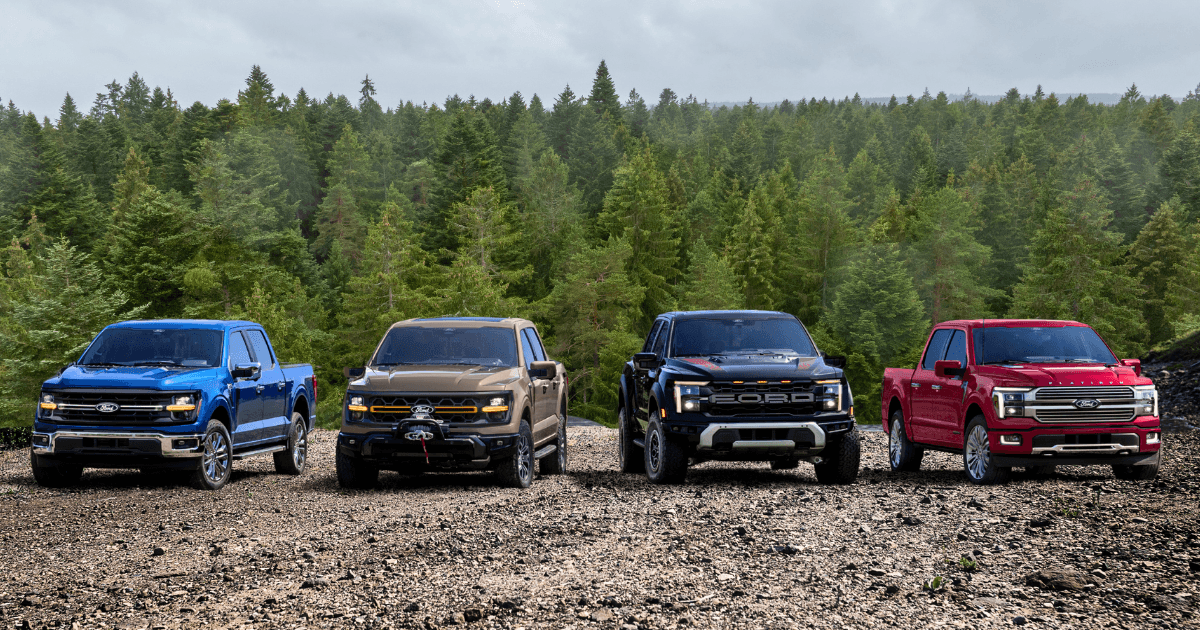
Full lineup of the 2026 Ford F-150 available at Borgman Ford in Grand Rapids, MI

Head-To-Head: 2026 Ford F-150 vs. 2026 Chevrolet Silverado

Ready to tackle spring projects and explore all West Michigan has to offer? A pickup truck is the perfect vehicle for adventurers who need power and flexibility, whether it's hauling material for home improvement projects, towing your camper to the woods, or bringing the boat to your favorite lake. So, when choosing a new pickup truck, there are a lot of factors to consider. The 2026 Ford F-150 and the 2026 Chevrolet Silverado are likely your two primary contenders for the best value and capability. While both trucks offer impressive specs, a careful look into the details proves the Ford F-150 to be a more versatile, tech-focused, and powerful vehicle. Join us in this Borgman Head-To-Head as we roll up our sleeves and compare the two trucks based on a number of key factors! more Powertrains: Horsepower, Torque, and Efficiency The heart of any truck is the engine, and Ford continues to lead with options for every application. For 2026, Ford has tweaked the engine lineup to prioritize torque, or "how hard the engine can turn the wheels. This is critical for pulling trailers, climbing hills, or hauling a bed full of heavy cargo. The F-150’s standout engine is the 3.5L PowerBoost Full Hybrid V6. It delivers a massive 430 horsepower and 570 lb-ft of torque, with an EPA-estimated 24-25 MPG combined. The Silverado’s most comparable engine (in terms of power and torque) is the 3.0L Duramax Turbo-Diesel. While the diesel offers excellent fuel economy (roughly 26 MPG combined) and 495 lb-ft of torque, it lacks the raw horsepower (305 hp) of the Ford Hybrid. Diesel fuel is also becoming more expensive, which erodes its advantage over gasoline. As we look to more powerful options, Ford’s 5.0L Coyote V8 remains a favorite for those who prefer traditional naturally aspirated power (meaning no turbocharger), offering 400 hp and 410 lb-ft of torque. Chevy’s 6.2L V8 is a beast with 420 hp, but you have to bear in mind that it requires premium fuel to reach those numbers. Towing Capability and Innovation West Michiganders don't just drive trucks; they use them to pull trailers, campers, and heavy equipment. Having the right truck for the job isn't just a matter of fuel economy or responsiveness at the throttle; it's a matter of safety for you and other drivers, as well as the longevity of your vehicle. While the towing specs of the Ford F-150 and the Chevy Silverado are pretty close, Ford maintains an edge. Here's the breakdown: Ford F-150: Up to 13,500 lbs. (when equipped with the 3.5L EcoBoost and Max Trailer Tow Package). Chevrolet Silverado: Up to 13,300 lbs. (with the 6.2L V8 or Diesel). To further widen the gap in capability, the F-150 features Pro Trailer Backup Assist, which allows you to steer your trailer using a simple knob on the dashboard. Users rave about this feature, especially when backing a boat into a tight slip or guiding their trailer into their reserved camping space. Additionally, Ford’s Onboard Scales allow you to see the approximate weight of your payload in real-time via the center screen or the taillights. This ensures you never overload your truck while hauling landscaping stone or construction debris, a feature the Silverado currently lacks intuitively. Interior Comfort and the "Mobile Office" For blue-collar West Michiganders, the modern truck often functions as their secondary office. Ford understands this better than anyone, and their design philosophy reflects that in ways that aren't always obvious on your test drive. Cool, work-friendly features include an optional Interior Work Surface, a gear shifter that folds flat, and a center console that unfolds into a large, flat desk - perfect for a laptop or a quick lunch while out on a job. For "infotainment," both trucks feature massive 12-inch or larger touchscreens. However, Ford’s SYNC 4 system is widely regarded as more user-friendly, with seamless wireless Apple CarPlay and Android Auto integration. Chevy’s Google Built-in system is powerful, but requires a data plan to get the most out of its features, which can be a nuisance in rural areas where cell signal can be spotty. When comparing Ford SuperCrew vs. Chevy Crew Cab: Ford F-150: Offers 43.6 inches of rear legroom. The floor is completely flat, making it easier to store tools or groceries inside the cab. Chevrolet Silverado: Offers 43.4 inches of rear legroom. While spacious, the floor isn't as ergonomically "clean" as the Ford. Bed Sizes and Payload Aside from raw power, the primary reason to choose a pickup is the bed. Both Ford and Chevy offer short, standard, and long bed options, but Ford’s high-strength, military-grade, aluminum-alloy body allows for a lighter frame and therefore a higher payload capacity. Ford F-150 Max Payload: Approximately 2,445 lbs. Chevrolet Silverado Max Payload: Approximately 2,260 lbs. For commercial and fleet purposes (including contractors, landscapers, farmers, and roofers), that extra 185 lbs of payload capacity means fewer trips to the supply yard and more efficiency on the job. What's more, the Ford F-150 offers Pro Power Onboard, turning your truck into a mobile generator. You can plug in power tools, heaters, or even a microwave oven directly into outlets in the bed - a feature that Chevy’s standard 120V outlet simply cannot match in terms of wattage and versatility. For clarity, Chevy offers a 400W outlet, while Ford offers up to 7.2kW. That's literally 18 times more power. Safety Ratings and West Michigan Winter Driving Safety is a key point of consideration when driving on icy Michigan roads, and both trucks come standard with suites of driver-assist technologies, including automatic emergency braking and lane-keeping assist. However, Ford’s BlueCruise hands-free highway driving technology is more expansive than Chevy’s Super Cruise in terms of the types of roads it covers. For those frequently commuting on I-96 or I-196, BlueCruise offers a level of fatigue reduction that is unmatched. In terms of crash tests, the F-150 historically earns top marks from the IIHS and NHTSA. While the Chevy Silverado is by no means unsafe, the F-150’s aluminum body is engineered specifically to manage energy in a collision while maintaining a lighter curb weight for better handling on slippery surfaces. Why the Ford F-150 Wins for West Michigan While the Chevrolet Silverado is a respectable machine, the 2026 Ford F-150 is the superior tool for the West Michigan lifestyle. Versatility: The Pro Power Onboard and Interior Work Surface make it the ultimate commercial partner. Winter Readiness: The PowerBoost Hybrid offers the torque needed for snow and the efficiency needed for long Michigan winters. Towing Tech: Pro Trailer Backup Assist makes summer weekends at the lake stress-free. Fuel Efficiency: Better hybrid options mean less money spent at the pump and more money kept in your pocket. Whether you are heading to a job site in downtown Grand Rapids or taking the family up north for the weekend, the 2026 Ford F-150 provides the comfort, safety, and raw power required to conquer everything West Michigan throws your way. Find Your Next Ford F-150 at Borgman Ford The team at Borgman Ford in Grand Rapids is ready to help you find the perfect Ford F-150 for your needs and budget - whether that means a reliable adventure-ready machine or the workhorse of your company fleet. Borgman is also home to our famous Customer-First Perks, including our Price Match and Love-It Guarantees - meaning you always get the best deal and never get stuck with a vehicle you don't absolutely love. Search our huge selection of New Ford F-150 Trucks in Grand Rapids, then schedule your test drive online right from the vehicle listing. We've been serving West Michigan for over 65 years, and it'd be our pleasure to help you find your next vehicle.

The Reduced Maintenance Needs of Your Ford Electric Vehicle

Getting behind the wheel of your first Ford Electric Vehicle is an exciting experience, especially with the warmer weather on the way. Among all of the perks of owning an EV, which include no tailpipe emissions, charging at home, and much more cargo space, one of the biggest people don't often consider is reduced maintenance costs. Electric Vehicles have far fewer moving parts when compared to their internal-combustion counterparts, and will never need things like oil changes, oil filter changes, fuel filters, spark plugs, radiator flushes, and more. However, there are still some features of your EV you should not neglect, and since service visits for oil changes are primarily where our techs spot other problems, it's paramount that owners bring their vehicles in for inspections on schedule. Here are some of the most important features of TVs that you should include in your maintenance regimen. Rotating and Replacing Tires This is perhaps the most obvious item on the list, but it's important to mention all the same. As your sole contact with the road, your tires need to be properly maintained to ensure your safety and maximize their lifespan. We recommend rotating your tires every other oil change at a minimum, but in this case, every 5,000 to 10,000 miles would be ok. Rotating your tires on a regular basis not only extends their lifespan but also allows our technicians to check for other subtle issues, such as uneven tread wear caused by poor alignment or worn suspension parts. It also gives us an unobstructed view of your brakes, basically amounting to a free inspection of your front end. Brake Pads, Rotors, Calipers, and Braking System Parts Brake maintenance is also very important for your safety and the safety of other drivers. Brakes use hydraulics to squeeze the calipers against the spinning rotor, which is locked to the wheel, slowing it down. Pads (or in rare cases, shoes,) help the caliper grip the rotor, so it's very important that all four of these pieces are inspected regularly. Many EVs are also equipped with regenerative braking, which uses the energy from slowing the vehicle down and feeds it back into the battery, leading to longer battery range and miraculously, longer brake life. While we urge owners to have their brakes inspected regularly, they will not need to be replaced or serviced nearly as often. Battery and Electric Motor Maintenance This will be a short section, as your electric vehicle batteries and motors will require little to no maintenance over the life of the vehicle. These components will last roughly the same amount of time as an internal combustion engine, though many experts predict they will last much longer. The best way to ensure this is to carefully follow the charging instructions in your owner's manual. Electric Vehicle Transmission The transmissions in electric vehicles do not have the same transmission as most gas-powered vehicles, though more and more are being equipped with something similar. A continually-variable transaxle, or CVT is a type of transmission that uses belts instead of traditional gears to transmit power from the engine to the wheels. Since the electric motors on EVs are more closely tied to the wheels, a different setup is required, but the principle is the same. These transmissions will need some maintenance over their lifetime, but not much. Be sure to carefully follow your recommended maintenance schedule, as the EV motors and transmissions are among the more expensive components of your electric vehicle. Shocks, Struts, and Suspension Components Just like gas-powered vehicles, electric vehicles will still need routine maintenance performed on suspension components, such as shocks, struts, and occasionally things like control arms, tie rods, and more. Regular tire rotations can usually catch these issues before they fully develop into expensive problems. Be sure to stay up-to-date on your alignments and inspections and you'll see costs on par with what you'd expect with a non-electric vehicle. Trust the Borgman Service Center For Your Electric Vehicle Needs Your electric vehicle has different maintenance needs than the vehicles we've grown accustomed to. However, some of the needs are the same. EVs will still require tires, headlights, taillights, turn signals, windshield wipers, and more. The Borgman Service Center is here to help you keep your vehicle running and driving at its best. To make an appointment, use our easy Online Scheduler and find a time that works for you, and don't forget to check our Service Specials Page for the latest deals. We've been keeping West Michigan moving for over 60 years and it'd be our pleasure to serve you. Come see why we're the Best in the West!

When Was The Last Time You Replaced Your Vehicle's Air Filters?

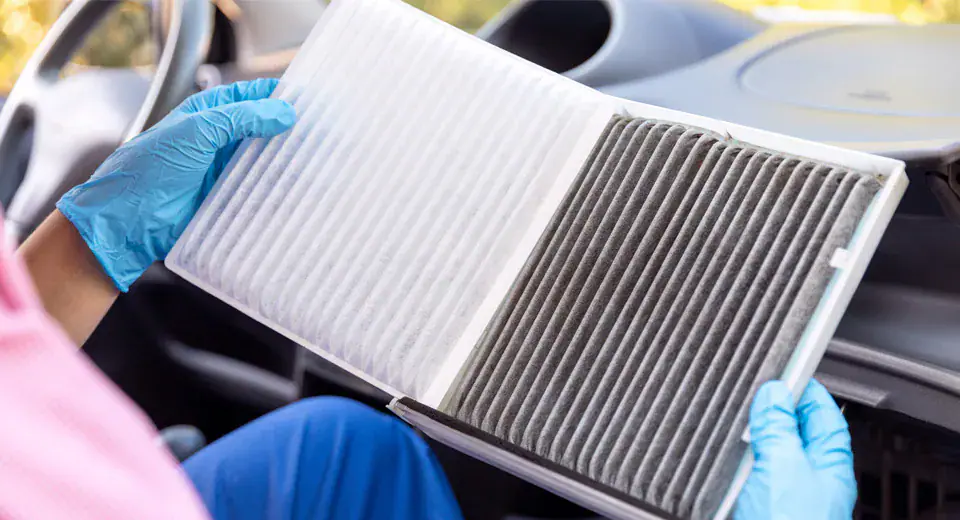
When was the last time you replaced your cabin air filter? In the spring, you’re likely inhaling more allergens, irritants, and pollutants. Your vehicle breathes too, and clogged filters mean it’s working harder than it needs to. Cabin Air Filters should be changed at least every 30,000 miles, but if you frequently drive in areas with a lot of pollution, you should change it sooner. The same goes for your engine air filter. If you have all of your regular maintenance done at Borgman, we keep track of these things and let you know when it's time. If you're just a tiny bit handy, both of these parts are easy enough to find and check. Cabin Air Filters are usually located behind your glove box, and the Engine Air Filter is right on top when you open the hood. Your manual will tell you exactly where they are, and what size you need. When you pull them out, most of the time it'll be pretty apparent if they need to be changed. However, if you're short on time or need help, Borgman is here to make sure you breathe easy this summer. What The Cabin Air Filter Does Your cabin air filter does exactly that - filters the air coming into your vehicle from outside. They're made of pleated material designed to trap incoming pollutants like dust, pollen, spores, and other particulates in the air and prevent them from entering the cabin when the heat or AC is on. When your filter starts to get clogged up with these pollutants, you might notice first that your vents don't blow as strong as they used to. Next, you might notice a musty smell, and then finally a whistling noise, as air is forced to find its way through gaps. Simply changing the filter will correct all of these issues at the source, but it may take some extra cleaning to get the musty smell out. If you're having trouble finding or replacing your cabin air filter, talk to the experts at Borgman - we'll have it replaced for you in no time. What The Engine Air Filter Does Just like how the Cabin Air Filter keeps airborne gunk out of your interior, the Engine Air Filter keeps the same things from getting inside your engine. These usually look like a bigger version of a Cabin Air Filter and are most commonly a cartridge style. However, some older or custom vehicles will have a drum style. Your engine needs three things to turn the wheels: fuel, spark, and fresh air. Just as your fuel filter removes any fine particulate, your air filter removes dirt, pollen, and other contaminants so they don't mix with fuel and coat your engine parts with carbon. If you don't have this filter changed, you'll notice your engine feeling sluggish and using more fuel to get moving. It makes sense when you think about it - try running a mile while holding your breath. Eventually, air will find its way in, carrying things the filter is supposed to be keeping out, and that means really expensive repairs. Borgman Service Center in Grand Rapids Helps You And Your Vehicle Breathe Easier If you're wondering when the last time your air filters were changed, give us a call at the Borgman Service Center. If you have us do all of your maintenance, we can check your file and let you know if you're overdue or not. If this is your first time with us, we'll take a look at both and make an honest recommendation. However, if you're in doubt, these are fairly inexpensive parts to replace. To get started, use our easy Online Scheduler to make your appointment, then check out our Service Specials for the latest discounts. We've been keeping West Michigan moving since 1960, and it'd be our pleasure to serve you. Come see why we're the Best in the West!

Sluggish Vehicle? You May Need A New Fuel Filter!

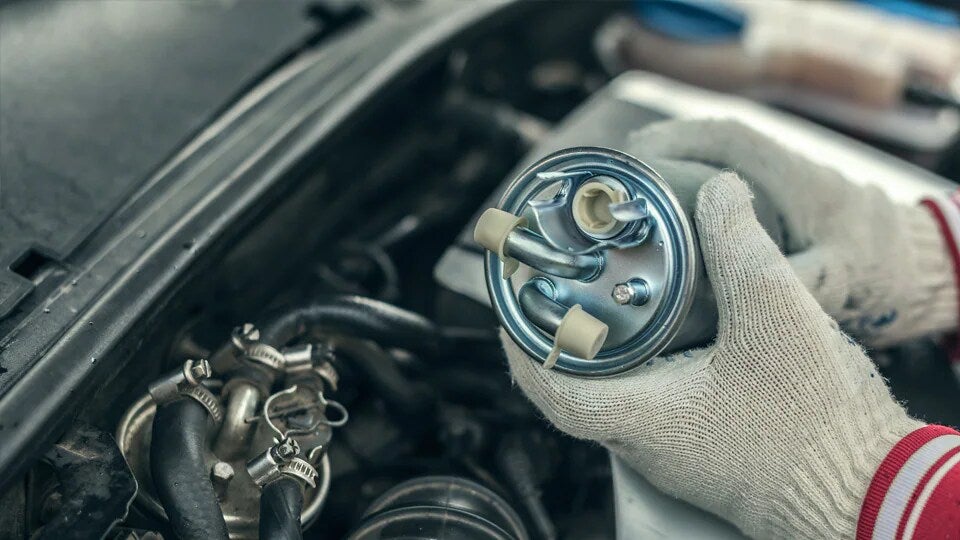
At the Borgman Service Center, we sometimes hear our Grand Rapids customers ask us about car myths out of concern for their vehicle. A common one is that you're not supposed to buy fuel while the delivery truck is refilling the gas station's supply tank. To put the matter to rest for our West Michigan readers, people think this is because it "stirs up sediment" that will end up in your engine. It simply isn't true. Your vehicle comes equipped with fuel filters to prevent dust, dirt, rust, sediments, and other impurities before they reach the engine. Today, there are also filters at the refinery, in the delivery truck, and in the gas pump itself, so the chances of this being an issue are near zero. However, like most other filters in your vehicle, fuel filters can compromise your engine when they fail. We'll explain how fuel filters work, where they're usually located, and when it's time to replace them. How Do Fuel Filters Work? What Are They Made Of? Like most filters, fuel filters consist of two parts: a cartridge, and media. In the case of fuel filters, the outside is usually a metal tube that's filled with special paper media or another synthetic, permeable membrane. When under pressure, the fuel is squeezed through these membranes (think high-tech coffee filter) which traps dust, dirt, sand, rust, pollen, or any other contaminants from the fuel before they enter the engine. It's also important to note that modern fuel contains detergents to dislodge anything too small to be caught by the fuel filters. Where Can I Find My Vehicle's Fuel Filters? Vehicles typically have two fuel filters. The first is more of a mesh screen and is attached directly to the fuel pump. While this makes it inaccessible, it does not typically need servicing for the life of the fuel pump. The second fuel filter is located on the main fuel line itself, and if you look beneath your vehicle you should be able to see it. We don't recommend attempting to replace it yourself* but if you suspect you have a fuel leak, this is a good place to check. Simply follow the lines from the gas tank along the bottom toward the engine. *Replacing fuel filters involves the risk of fire from spilled gasoline coming into contact with hot vehicle parts, fuel leaks while driving, and other potentially dangerous scenarios. Let the pros at the Borgman Service Center perform this task and save yourself the risks and frustrations. How Do You Know When Your Fuel Filter Needs To Be Replaced? Even without overt symptoms, we recommend replacing your fuel filter every two years or 30,000 miles, whichever comes first. However, many people only turn their attention to their fuel filters when there's an issue. This often results in costlier repairs. When your fuel filter needs replacing, there are usually some tell-tale signs. Here are some of them, but if you notice your vehicle acting strange and don't see the last time your fuel filter was replaced, schedule an appointment with the Borgman Service Center right away. Engine Feels Sluggish: This is the most tell-tale sign that your fuel filter needs replacing. It might be subtle at first, but you'll notice this when climbing hills, and then when starting from a complete stop. This is because your engine is running lean - without enough gasoline. Trouble Starting Your Vehicle: If you're having trouble starting your engine in the morning, but you hear the starter motor running at normal speed, you might not be getting enough fuel, like what we described above. Rough Idle or Stalling: This is a more progressed symptom of the first problem we've listed. Here, the problem is so severe that your engine behaves like you're pressing the throttle and releasing it, but at idle. If the engine gets too little fuel, it stalls out altogether - a dangerous (and embarrassing) situation on the road! Other Parts Failing: If your fuel filter is saturated with junk, your fuel pump has to work harder to deliver fuel to your engine. This causes the issues described above, but also will prematurely wear out your fuel pump - a costly repair. If enough pressure builds up in the fuel filter, it can allow contaminants through and clog fuel injectors too, which can present as a misfire. Vehicle Feeling Sluggish? Visit the Borgman Service Center! If you've been noticing that your vehicle doesn't quite have the pep that it used to, or if you're not sure when your fuel filter was last replaced, schedule an appointment with the Borgman Service Center! Our experts will check your vehicle for issues, and make recommendations based on our findings. However, if a repair is not critical, we will make this clear to you during your appointment so you can make informed, yet pragmatic decisions about your vehicle. To get started, use our easy Online Scheduler to make your appointment, and then check out our latest Service Coupons for savings on the services you need. If you have any questions, feel free to Contact Us. Come see why we're the Best in the West!

Why Rotating Your Tires Regularly Saves You Money and Keeps You Safe

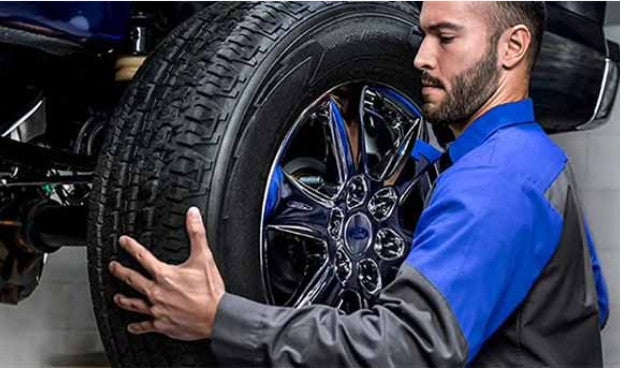
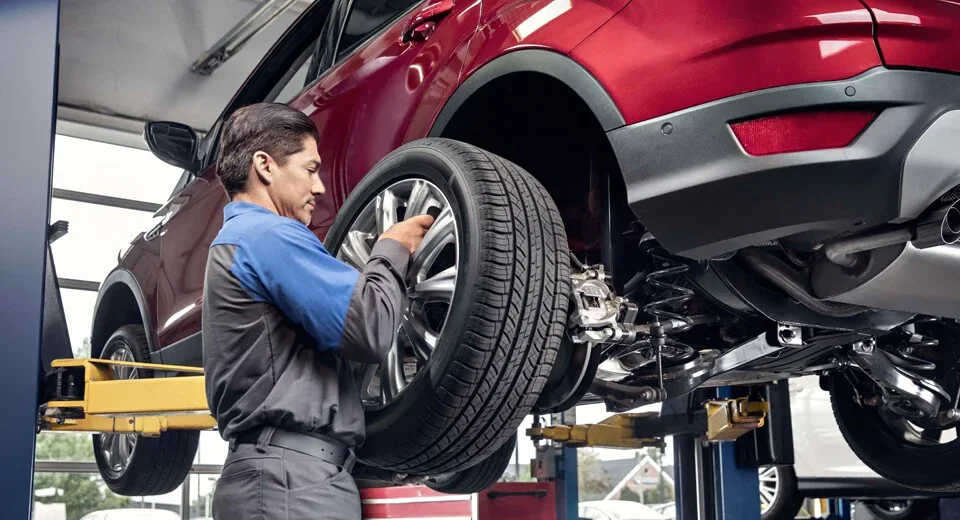
We hope you're having an excellent summer and enjoying your travels across West Michigan! Maybe, you even have an adventure or two coming up! However, with all that driving, it's important that you don't neglect your tires - especially when it comes time to rotate them. It might seem like a small thing, but rotating your tires on schedule and keeping them properly inflated will pay dividends - especially if you do a lot of traveling. In this article, we'll explain how keeping your tires in good shape is simple and easy maintenance. We'll also explain how it not only makes your tires last much longer, it keeps you and others safer on the road. What Rotating Your Tires Means We've all heard the joke, "why do I need to rotate my tires? They rotate every time I drive!" While it's technically true, what a tire rotation actually means is the wheels are removed and placed on a different wheel hub. The rear tires are moved to the front and the front tires to their opposite side rear. This ensures that all four tires wear evenly, and increases the longevity of each. It's a fast and simple procedure, and if your vehicle is already on the lift, it makes sense to do it. Removing the wheels also gives our techs easy access to the brakes and hubs, potentially uncovering hidden issues. In most vehicles, the front tires receive far more wear than the back ones, mainly due to them being the driven wheels, bearing the weight of the engine, and because they're the tires negotiating turns. The tires on rear-wheel drive vehicles will wear differently because of this, but you should still rotate the tires on schedule. How Often Do I Need a Tire Rotation? We recommend rotating your tires every other oil change, but you should rotate newer tires more frequently than that. This is because the increased tread depth makes the tires more susceptible to uneven wear. We will make recommendations based on your service history, but most manufacturers recommend rotating them every 7,500 to 10,000 miles. What Happens If I Don't Rotate My Tires? Failing to rotate your tires, in the best-case scenario, means you're replacing them more frequently. While we always have great deals on tires at the Borgman Service Center, we recognize that tires are costly. However, the risks go beyond financial. Tires worn down unevenly can build up excess heat, which expands the air in the tire and can potentially cause it to "pop." You'll also notice poor performance in slippery conditions such as rain, snow, and ice. Also, if you have worn down thin spots on your tires, that makes it even easier for a nail or piece of glass to puncture the tire. You'll also be more susceptible to cracking and pitting, which lets air out gradually. What Role Does Proper Inflation Play In Tire Wear? Making sure your tires are properly inflated is just as important to their longevity. We recommend getting an inexpensive, digital-read air pressure gauge and checking your tires every other time you get fuel. This way, if one is losing air, you can catch it before driving on it for days or weeks, which can damage the tire permanently. Properly inflated tires wear more evenly, which as discussed above, ensures they last longer before wearing out. Your vehicle was designed around the tires maintaining a certain air pressure, so when the tires fall below that, some features may not work as well as intended. These could include but are not limited to curve assist, lane-keeping assist, braking assist, and vehicle stability systems / anti-skid features. Properly inflated tires also perform better on turns, in inclement weather, and even boost your fuel/battery economy! Get Complete Tire Care at the Borgman Service Center in Grand Rapids, MI Whether you're coming back from a summer of adventuring or are planning more, the Borgman Service Center has you covered. We'll make sure your tires, brakes, oil, and fluids are all where they should be before you set out on another adventure. Tire rotation is a fairly painless procedure if you're already in for an oil change, so if you can't remember the last time it was done, it's worth the extra few dollars. To get started, simply use our easy online scheduler and then check out our latest coupons. If you have any questions before your visit, feel free to Contact Us. Come see why we're still the Best in the West after 60 years in the Grand Rapids area!

Five Common Causes of a Check Engine Light

It's that time of year again: as West Michigan goes through cycles of warm days and frigid nights, fluctuating temperatures can cause small issues to arise in your vehicle. A lot of the time, a check engine light will come on for something insignificant, including faults in the sensors monitoring for issues. If your vehicle started showing a check engine light recently, it's not always bad news. Oftentimes, a quick check from our highly-skilled technicians is all that's needed. If you do need a repair, our team will ensure it's completed correctly and promptly. Read on for five common causes of a check engine light, then visit the Borgman Service Center for a pre-winter checkup! Your Gas Cap Is Loose When customers come in reporting a check engine light in an otherwise healthy vehicle, a loose fuel cap is often the cause. The cap prevents gasoline fumes from escaping the tank and helps the entire fuel system stay at the correct pressure. If you've discovered your check engine light is on after filling up at the gas station, pull over and check if your gas cap is properly tightened. The light may not go away after fixing the issue, but our technicians will be able to shut it off for you. Dirty Oxygen Sensors Most vehicles are equipped with a series of oxygen sensors. These measure the amount of unburnt oxygen in your vehicle's exhaust, and then tell the computer to adjust the fuel/air mixture accordingly. A failed sensor will throw a check engine light, but sometimes all that's needed is a quick cleaning. An exhaust gas recirculation or EGR valve failure can also produce a check engine light. This valve lowers the amount of nitrogen oxide in your exhaust and can become partially or completely clogged. Small Vacuum Leak Every vehicle relies on a series of rubber vacuum tubes to regulate certain functions of the engine. As they age, the rubber hoses begin to crack and let air in or out, but may only do this under certain conditions. Most of the time this produces a rough idle, but strange symptoms that are tricky to diagnose cal also arise. Our technicians have experience finding and replacing damaged vacuum lines quickly. Failing Spark Plugs & Wires If your spark plugs are malfunctioning, either from failing wires or the plugs themselves, gasoline vapor is pushed through the exhaust system without being ignited. This is detected by sensors, and can potentially cause dangerous issues like backfiring, or gasoline exploding from the heat inside the exhaust system. It can also cause expensive damage to the oxygen sensors, catalytic converter, and more. Fortunately, a misfiring engine usually isn't subtle. However, sensors could detect an issue before it becomes major, so bring your vehicle in as soon as possible. Engine Airflow Issues Your engine relies on sensors to measure the air and fuel coming into the cylinders are mixed together at the right ratio. This ensures your engine runs cleanly and efficiently. If one of these ingredients is disrupted, the sensors catch it and alert you via the check engine light. There are two common culprits for airflow issues: your engine air filter being clogged, and a failing mass airflow sensor. Of course, there could be other factors in play. Our technicians will be able to find the cause and resolve it promptly. Seeing a Check Engine Light? The Borgman Service Center in Grand Rapids Can Help! While your vehicle's onboard diagnostics produce codes that correspond to predefined issues, it's a technician's job to interpret these codes and think holistically about the source of the issue. That's the difference between using a trusted repair facility like the Borgman Service Center and an auto parts store. If you're seeing a check engine light, Schedule An Appointment with us and Contact Us if you have any questions. Our team will make sure we identify and resolve the issue properly. Be sure to check out our latest Service Coupons and come see why we're the Best in the West!

2023 Towing Guide for West Michigan Adventurers

Spring has just sprung and summer towing season is just around the corner.  At Borgman, we know the West Michigan summer is best enjoyed with a boat, camper, ATV, dirt bikes, and more. While getting out of town and enjoying the warmer weather is great, making sure you tow your trailer safely is important too. Take a look at our revised towing guide for a quick primer on what to do and not do, then head to the Borgman Service Center for a pre-vacation checkup or to have towing equipment installed! 2023 Towing Guide for West Michigan Adventurers Before Hitting The Road: If you're reading this in preparation for towing for the first time, it's worth visiting Borgman to ensure your vehicle is properly equipped. We will make recommendations about which parts will be necessary to tow your trailer or camper safely, then order the parts for you and install them as soon as possible. That way, your vehicle spends less time in the shop and more time out on the road, and you're towing with confidence. To see what parts are available for your vehicle and the current pricing, visit Accessories.Ford.com. Finally, even if your vehicle is properly equipped and you're a towing veteran, getting a quick checkup before setting out is critical for everyone's safety and prolonging the life of your vehicle. Take a look at our Service Specials and Schedule An Appointment today. Weight Distribution For the best braking and handling performance, your vehicle's load must be properly distributed - keeping the center of gravity as low as possible. Approximately 60% of the allowable cargo weight should be in the front half of the trailer, and the rest in the rear (consult limits of tongue load or king pin weight!) The load should be balanced from side to side too and must be firmly secured to prevent shifting during cornering or braking. Backing Up With A Trailer If you've never done this before, you might want to get some practice in before needing to do it "out in the wild." All you need to do is back up slowly, and have someone help you by standing behind the trailer guiding you in. Put one hand at bottom of the steering wheel and move it in the direction you want the trailer to go. Make small steering movements - the trailer will move more than you'd expect. Remember, you can always go forward to readjust or start over. Backing up a trailer can be tricky! Braking Remember, your vehicle is going to be heavier so it'll take longer to stop. Some Ford Vehicles equipped for towing will include electronic braking assistance for your vehicle and your trailer if it has brakes, but it's still good practice to drive more defensively. Allow more space between you and the vehicle in front of you to give yourself time to stop safely. If your trailer starts swaying, the easiest way to correct it is to gently speed up. If that's not helping and your vehicle is equipped with electric brakes and a brake controller, activate the trailer brakes with the brake controller by hand. Do not apply the tow vehicle's brakes as this can make things worse. Towing On Hills Downshift the transmission to assist braking when going down steep hills and to increase power (reduce lugging) when climbing hills. With the Ford TorqShift® transmission, simply select tow/haul mode to automatically eliminate unwanted gear search when going uphill and help control your vehicle speed when going downhill. Parking With A Trailer Whenever possible, vehicles with trailers should not be parked on a hill - even on a slight incline. If it can't be avoided, you can place wheel chocks under the trailer's wheels, following the instructions below: Apply the foot service brakes and hold Have another person place the wheel chocks under the trailer wheels on the downgrade side Once the chocks are in place, release the brake pedal, making sure the chocks will hold the vehicle and trailer Apply the parking brake Shift automatic transmission into park, or manual transmission into reverse With 4-wheel drive, make sure the transfer case is not in neutral (if applicable) Acceleration And Passing The added weight of the trailer can dramatically decrease the acceleration of the towing vehicle - exercise caution. When passing a slower vehicle, be sure to allow extra distance. Remember, the added length of the trailer must clear the other vehicle before you can pull back in. Signal and make your pass on level terrain with plenty of clearance. If necessary, downshift for improved acceleration. If you'd like to read our other, more expansive version of this guide, click here. Towing Something This Summer? Visit The Borgman Service Center First! Safety should be your number one priority when towing. While driving defensively and being more aware of your surroundings is critical, making sure your vehicle is ready and capable is equally important. The Borgman Service Center will ensure your engine, tires, brakes, and more are all in good condition, see that your fluids are topped up, and make sure your towing equipment is working properly. If your vehicle needs any new equipment or upgrades before towing something large like a camper, our team can help you with that as well.  We'll help you make informed decisions, and install these parts to exact specifications.  And now you can use your FordPass Rewards Points to buy needed accessories and have them shipped to Borgman for installation.. Schedule Your Appointment Online here and take a look at our latest Specials for savings on the services you need. Come see why we're the Best in the West!
FordPass Rewards Now Redeemable for Official Ford Accessories: Buy Online, Ship To Borgman!

Spring arrives in West Michigan this month, which may have you thinking about your next road trip! If you need to upgrade your Ford before hitting the road, we have some exciting news: Now, you can redeem your Points toward accessories purchases online, making it even easier for Ford drivers to personalize their vehicles! Visit Accessories.Ford.com to browse the wide variety of accessories from roof tents, superchargers, trailer hitches, floor mats, pet harnesses, and more. Members can use their Points, pay with a credit card, or use a combination of both on the site. For convenience, accessories can be shipped to your home or to the Borgman Service Center for installation. Simply give us a call and let us know it's on the way, and we can make your appointment for installation. “We want to show our loyalty to FordPass Rewards members by giving them an easy way to earn and redeem their Points for accessories,” said Marc Mills, Ford Customer Experience Director. “This initiative is part of how we’re enhancing value at every customer experience touchpoint, from point of sale throughout their entire ownership journey with Ford.” For convenience, accessories can be shipped to a customer’s home or to the dealer for installation. Also, returns are easy, returned purchases are credited back to the customer to based on the original form of payment. Mills says that making it simple for FordPass Rewards members to personalize their vehicles by earning and redeeming Points for accessories is one of many ways Ford is elevating the customer experience and enhancing the value of membership. Read the full article and learn more on Media.Ford.com. If you're looking to cash in your FordPass Rewards Points to upgrade your Ford this spring, the Borgman Service Center is here to make sure everything is installed cleanly, professionally, and correctly. If you've shipped your new parts to us, use our easy Online Scheduler to make your appointment, check out our latest Service Specials, or Contact Us with any questions. We've been here to keep you moving since 1960, and it'd be our pleasure to serve you. Come see why we're the Best in the West!

Check Your Shocks & Struts Before Embarking on Spring Adventures

Spring is on its way to West Michigan! When the weather finally breaks, many West Michiganders take to the roads out of Grand Rapids for fun weekends of exploration and relaxation. Whether you're traveling down interstates or cross country, your shocks and struts make sure you don't feel every single bump in the road, keeping you and your passengers comfortable. These suspension parts even play a role in ensuring your vehicle doesn't damage itself. Like many other moving parts on your vehicle, shocks and struts will wear down and eventually need to be replaced. In this post, we'll explain the difference between shocks and struts, what they do, and when it's time to visit the Borgman Service Center for replacements. What Are Shocks and Struts? Both shocks and struts absorb sudden movements created by bumps in the road. Where they are different is that a strut is a structural part of your suspension, and a shock is not. Shock Absorbers or simply "shocks" are simple pistons with hydraulic fluid inside. When the wheel travels over a bump or dip in the road, the fluid inside compresses through a small hole into another chamber, which takes the jarring, sudden movement and smooths it out. The excess energy converts to heat and radiates out into the atmosphere. When the wheel returns to its normal position, the oil is drawn back into the first chamber, smoothing out this movement too. McPherson struts, coil-over springs, or simply "struts" are different in that they actually hold your vehicle up off the ground. Struts are also usually where your alignment is set, so they're involved with your steering system too. Struts are typically found on the front wheels of vehicles for this reason. They are structural parts, and apart from their inner beam and huge spring, contain a replaceable shock cartridge. When that cartridge wears out, you don't have to replace the full assembly. When Do I Need To Replace My Shocks or Struts? We recommend new shocks and strut cartridges every 50,000 miles, or as needed. How often you drive on dirt or poorly maintained roads will mean replacing them sooner, with lots of highway driving potentially meaning later. The first thing you may notice is your ride is getting a lot bumpier, but if this is gradual you may not. However, when struts are nearing the end of their life, the symptoms can be more pronounced. You may feel your vehicle nose-dive when you brake or lift off when you start moving. You may also find that it feels like driving a bowl of jelly when you exit the highway down a looped ramp. If you notice uneven wear patterns on your tires, this can also point to worn struts. The Borgman Team is good at spotting these during a tire rotation, and if we see evidence of this, we'll let you know. This tip is something that's really only practical on passenger cars, but you can push down on the fender above a strut and see if the car "bounces" when you release it. Healthy struts will raise the car to its normal position and stop. Worn struts will allow the car to travel more. Need New Shocks or Struts? Visit the Borgman Service Center in Grand Rapids! If you've been noticing your vehicle wandering or handling strangely, making new clunky noises, or just bumpier than normal, head over to the Borgman Service Center today. We'll make sure your vehicle is in tip-top shape for your spring wanderings around West Michigan. Our friendly and highly knowledgeable staff is here to make sure you understand everything in your vehicle health report, and the function of the parts we need to replace. If you ever have any questions, we're here to help. Check out our latest Service Coupons, then Schedule Your Appointment Online. Come see why we're the Best in the West!

ec2e9ccadf2363cac50596a2ebccde8cx

Be Prepared For An Early Pothole Season in West Michigan

After two huge snowstorms around the holidays, West Michigan warmed right up for January. While we may welcome the respite from the bitter cold, this has also brought an early pothole season to Grand Rapids and the surrounding areas. Potholes can happen anywhere, and can really damage your vehicle if you hit one just right. The best thing to do is avoid potholes altogether, but that isn't always possible. This article, which we've updated from a previous one, explains how potholes form, what parts of your vehicle they could damage, and steps you can take to minimize their impact. Where Do Potholes Come From? Potholes form when warm water settles into cracks in the pavement. This water can wash away the supportive layer of sand or substrate below the pavement. When the temperature drops and that water freezes, it expands as it turns into ice, forcing the cracks wider and letting even more water in next thaw. Eventually, whether by plow truck or total loss of supporting earth, the pothole collapses, leaving a dangerous hole in the road. These vary in depth from one inch to possibly several, and if they're full of water it's impossible for a driver to tell. If I Have No Choice But To Drive Through A Pothole, What Do I Do? If you're driving and spot a pothole (or a suspicious puddle in most cases) the best thing to do is check your surroundings and safely navigate around it. However, in many cases that won't be possible, or the maneuver could endanger you or other drivers. This doesn't mean you're doomed to a doozy of a repair bill. Here are a couple of steps to minimize or even avoid damage to your vehicle. Slow down as much as you safely can, the slower you're going, the less force your wheel stikes the pothole with. Remember, you're hitting the side of the pothole opposite you and then climbing out, so that means you're going to want to drive through it as straight as possible. This spreads out the impact into the width of the tire and not the metal rim. Wheels or rims, being made of a rigid metal alloy, can crack if they impact on an angle, and don't absorb shock like tires can. The less that gets through the initial impact, the less your suspension has to absorb. Here's a quick play-by-play of what to do: Brake and square up with the pothole to go through it straight and as slowly as possible. Just before impact, release the brake. Hold the steering wheel firm to keep the vehicle traveling straight. Wait for the rear wheel to clear the pothole, then gently press the throttle. Feel and listen for any new noises, behavior, or changes in handling. What Parts Of My Vehicle Can Be Damaged By a Pothole? Any number of things can sustain damage, including splits in your tire, catastrophic damage to shocks, or even a cracked windshield. In most cases where there's severe damage, we end up replacing parts of the suspension. Some of these parts, such as the shocks and to a lesser extent the coil-over struts, need to be replaced over the life of your vehicle anyway. If the pothole damage is just to these parts, the repair is pretty simple. However, other parts like the tie rods and control arms can be bent or damaged too, and for those, the repairs will take a little longer. If your vehicle suffers cosmetic damage, our Collision Center will work tirelessly to restore your vehicle to pre-incident condition. That includes sourcing top-quality or genuine OEM parts, thoroughly inspecting your vehicle for hidden damage, to working with your insurance company on your behalf. We have courtesy vehicles available as well, so you don't need to rely on renting a vehicle if your insurance doesn't cover it. Remember, per Michigan law, you have the right to choose your collision center, not your insurance company. In the majority of cases where a concerned driver brings in their vehicle for inspection, the damage, if any, is very minor. If anything, you may need a new tire or even just an alignment. Our technicians will look over your vehicle carefully and recommend what needs replacing now and what can wait until later, giving you peace of mind. If you've noticed any strange handling or noises after driving through a pothole, Schedule An Appointment with the Borgman Service Center today and come see why we're the Best in the West!

Contact Us

Fill out this form below and we'll contact you shortly
*Required Fields