


Blog / News

Trouble Starting In The Cold? It Could Be Your Battery

guy looking under hood of his car on a fall day

It's been a milder winter in West Michigan so far, but the nights are still cold enough to freeze a battery. If you've been having trouble starting your vehicle in the morning, it's probably time to replace it.

Batteries contain chemicals which react to store and discharge electricity. Your vehicle's battery needs to store enough power to turn over the engine via the starter motor. This is more difficult in the cold for two reasons: first, motor oil is slightly more viscous in cold weather which creates more resistance, and secondly, the cold slows down the chemical reaction that releases electricity.

If your battery is getting worn out, you may not notice until the cold weather arrives. While you should replace your battery every 5 years, sometimes you need one sooner. In this article, we'll explain how batteries work, why they wear out, and things you can do to prolong their life.

What Purpose Does a Battery Serve on a Vehicle?

Auto batteries serve two main functions within a vehicle:

  • Store and deliver enough power for the starter motor and spark plugs to start the engine.
  • Manage "keep alive" functions like clocks, security, and memory.

When you start your vehicle, the battery sends about 400 amps of current to the starter motor, turning the engine over until combustion starts. Once the engine is running, the Alternator generates electricity for the spark plugs and everything else in your vehicle that needs electricity like your headlights, dashboard, stereo, and more. It also recharges the battery for next time.

How Do I Keep My Battery Healthy

Maintaining a battery is pretty easy. With normal use, your battery should last about 5 years with low to no maintenance.

Vehicle batteries are designed to deliver a lot of power all at once, but draining them all the way will damage them. Each time this happens it shortens the life of your battery. You can prevent this by ensuring accessories and lights are turned off when you get out of the vehicle. However, a dead battery can happen to the best of us and once or twice usually isn't a big deal.

Quick Fix For Corroded Terminals

If you sometimes have trouble starting, sometimes not, it might not be the battery itself - it could be corroded terminals. If it's an issue, you'll see it right away: blue-green deposits on the battery posts but don't touch it. The Borgman Service Center can fix for you, but with a little elbow grease and a measure of caution, you can also clean these up yourself. All you'll need a wrench, baking soda, an old toothbrush, a tub with hot water, and safety gear.

Safely disconnect the battery while wearing gloves and eye protection, then scrub the corrosion off of the posts with some baking soda and warm water. An old, plastic toothbrush works best for this. If you're in a pinch, such as on the side of the road, you can also use a little bit of cola or any soft drink that contains sodium bicarbonate. It could work well enough to get you home for a proper cleaning.

Once they're clean, thoroughly dry the terminals and battery posts and thinly coat them with dielectric grease or petroleum jelly. Then, reconnect the battery per your manual's instructions.

If you see any cracks or leaks in your battery, stop immediately, bag it up, and bring it in to the Borgman Service Center to legally recycle it and for a replacement.
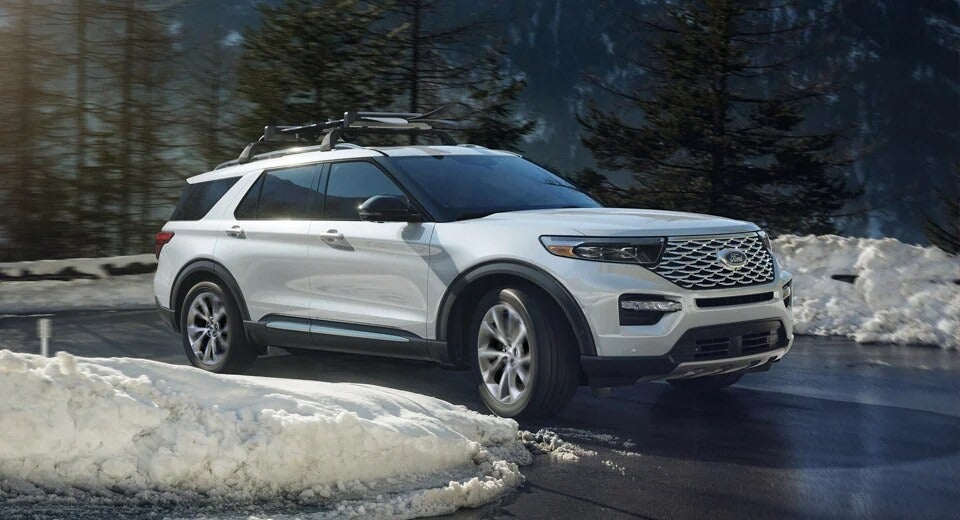
white Ford Explorer driving on sunny winter day

Having Battery or Electrical Issues? Trust The Experts at the Borgman Service Center

If you're having trouble starting your vehicle or strange electrical issues, the Borgman Service Center Team is here to help. Use our easy Online Scheduler to make your appointment online or feel free to Contact Us by email or phone to discuss your vehicle.

We've been keeping West Michigan moving for over 60 years and counting. Come see why we're the Best in the West!
Posted in:

Related Posts

F-150_Lightning_Hero8

2026 Towing Guide: Pro Tips For a Successful Summer Trip

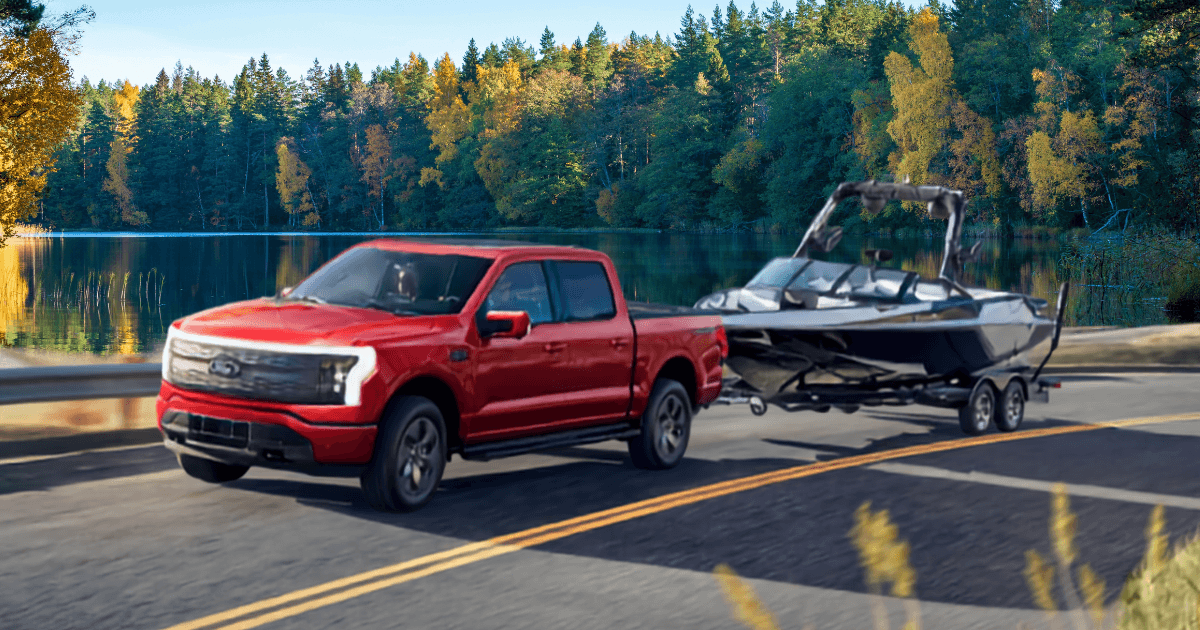
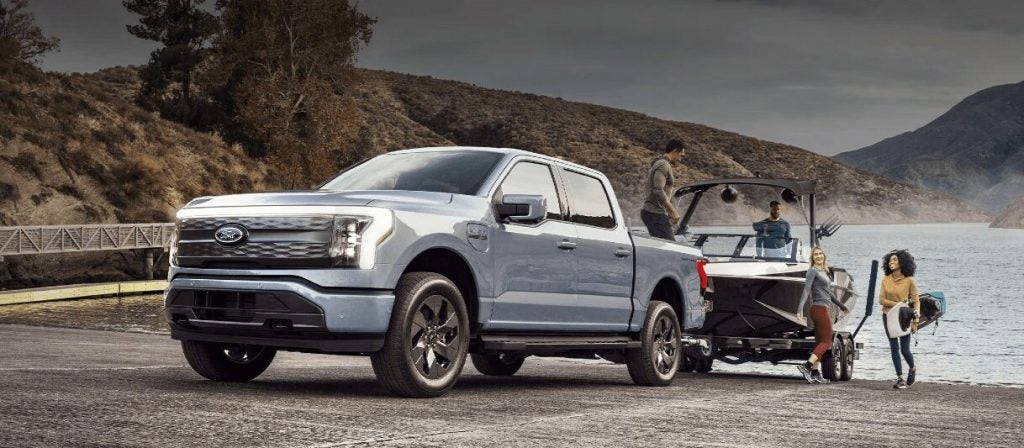
The summer towing season is finally here! At Borgman, we know the West Michigan summer is best enjoyed with a boat, camper, ATV, dirt bikes, or whatever else you want to bring with you to your favorite getaway. While getting out of town and enjoying the warmer weather is great, making sure you tow your trailer safely is important, too. Take a look at our revised towing guide for a quick tutorial (or refresher) on what to do, what not to do, and then head to the Borgman Service Center for a pre-vacation checkup or to have new towing equipment installed! more 2026 Towing Guide for West Michigan Adventurers Before Hitting The Road: If you're reading this in preparation for towing for the first time, it's worth visiting Borgman to ensure your vehicle is properly equipped. We will make recommendations about which parts will be necessary to tow your trailer or camper safely, then order the parts for you and install them as soon as possible. That way, your vehicle spends less time in the shop and more time out on the road, and you're towing with confidence. To see what parts are available for your vehicle and the current pricing, visit Accessories.Ford.com. Finally, even if your vehicle is properly equipped and you're a towing veteran, getting a quick checkup before setting out is critical for everyone's safety and prolonging the life of your vehicle. Take a look at our Service Specials and Schedule An Appointment today. Weight Distribution For the best braking and handling performance, your vehicle's load must be properly distributed - keeping the center of gravity as low as possible. Approximately 60% of the allowable cargo weight should be in the front half of the trailer, and the rest in the rear (consult limits of tongue load or king pin weight!) The load should be balanced from side to side, too, and must be firmly secured to prevent shifting during cornering or braking. Backing Up With A Trailer If you've never done this before, you might want to get some practice in before needing to do it "out in the wild." All you need to do is back up slowly, and have someone help you by standing behind the trailer guiding you in. Put one hand at bottom of the steering wheel and move it in the direction you want the trailer to go. Make small steering movements - the trailer will move more than you'd expect. Remember, you can always go forward to readjust or start over. Backing up a trailer can be tricky! Braking Remember, your vehicle is going to be heavier so it'll take longer to stop. Some Ford Vehicles equipped for towing will include electronic braking assistance for your vehicle and your trailer if it has brakes, but it's still good practice to drive more defensively. Allow more space between you and the vehicle in front of you to give yourself time to stop safely. If your trailer starts swaying, the easiest way to correct it is to gently speed up. If that's not helping and your vehicle is equipped with electric brakes and a brake controller, activate the trailer brakes with the brake controller by hand. Do not apply the tow vehicle's brakes as this can make things worse. Towing On Hills Downshift the transmission to assist braking when going down steep hills and to increase power (reduce lugging) when climbing hills. With the Ford TorqShift® transmission, simply select tow/haul mode to automatically eliminate unwanted gear search when going uphill and help control your vehicle speed when going downhill. Parking With A Trailer Whenever possible, vehicles with trailers should not be parked on a hill - even on a slight incline. If it can't be avoided, you can place wheel chocks under the trailer's wheels, following the instructions below: Apply the foot service brakes and hold Have another person place the wheel chocks under the trailer wheels on the downgrade side Once the chocks are in place, release the brake pedal, making sure the chocks will hold the vehicle and trailer Apply the parking brake Shift the automatic transmission into park or the manual transmission into reverse With 4-wheel drive, make sure the transfer case is not in neutral (if applicable) Acceleration And Passing The added weight of the trailer can dramatically decrease the acceleration of the towing vehicle - exercise caution. When passing a slower vehicle, be sure to allow extra distance. Remember, the added length of the trailer must clear the other vehicle before you can pull back in. Signal and make your pass on level terrain with plenty of clearance. If necessary, downshift for improved acceleration. If you'd like to read our other, more expansive version of this guide, click here. Towing Something This Summer? Visit The Borgman Service Center First! Safety should be your number one priority when towing. While driving defensively and being more aware of your surroundings is critical, making sure your vehicle is ready and capable is equally important. The Borgman Service Center will ensure your engine, tires, brakes, and more are all in good condition, see that your fluids are topped up, and make sure your towing equipment is working properly. If your vehicle needs any new equipment or upgrades before towing something large like a camper, our team can help you with that as well.  We'll help you make informed decisions and install these parts to exact specifications.  And now you can use your FordPass Rewards Points to buy needed accessories and have them shipped to Borgman for installation.. Schedule Your Appointment

The Reduced Maintenance Needs of Your Ford Electric Vehicle

Getting behind the wheel of your first Ford Electric Vehicle is an exciting experience, especially with the warmer weather on the way. Among all of the perks of owning an EV, which include no tailpipe emissions, charging at home, and much more cargo space, one of the biggest people don't often consider is reduced maintenance costs. Electric Vehicles have far fewer moving parts when compared to their internal-combustion counterparts, and will never need things like oil changes, oil filter changes, fuel filters, spark plugs, radiator flushes, and more. However, there are still some features of your EV you should not neglect, and since service visits for oil changes are primarily where our techs spot other problems, it's paramount that owners bring their vehicles in for inspections on schedule. Here are some of the most important features of TVs that you should include in your maintenance regimen. Rotating and Replacing Tires This is perhaps the most obvious item on the list, but it's important to mention all the same. As your sole contact with the road, your tires need to be properly maintained to ensure your safety and maximize their lifespan. We recommend rotating your tires every other oil change at a minimum, but in this case, every 5,000 to 10,000 miles would be ok. Rotating your tires on a regular basis not only extends their lifespan but also allows our technicians to check for other subtle issues, such as uneven tread wear caused by poor alignment or worn suspension parts. It also gives us an unobstructed view of your brakes, basically amounting to a free inspection of your front end. Brake Pads, Rotors, Calipers, and Braking System Parts Brake maintenance is also very important for your safety and the safety of other drivers. Brakes use hydraulics to squeeze the calipers against the spinning rotor, which is locked to the wheel, slowing it down. Pads (or in rare cases, shoes,) help the caliper grip the rotor, so it's very important that all four of these pieces are inspected regularly. Many EVs are also equipped with regenerative braking, which uses the energy from slowing the vehicle down and feeds it back into the battery, leading to longer battery range and miraculously, longer brake life. While we urge owners to have their brakes inspected regularly, they will not need to be replaced or serviced nearly as often. Battery and Electric Motor Maintenance This will be a short section, as your electric vehicle batteries and motors will require little to no maintenance over the life of the vehicle. These components will last roughly the same amount of time as an internal combustion engine, though many experts predict they will last much longer. The best way to ensure this is to carefully follow the charging instructions in your owner's manual. Electric Vehicle Transmission The transmissions in electric vehicles do not have the same transmission as most gas-powered vehicles, though more and more are being equipped with something similar. A continually-variable transaxle, or CVT is a type of transmission that uses belts instead of traditional gears to transmit power from the engine to the wheels. Since the electric motors on EVs are more closely tied to the wheels, a different setup is required, but the principle is the same. These transmissions will need some maintenance over their lifetime, but not much. Be sure to carefully follow your recommended maintenance schedule, as the EV motors and transmissions are among the more expensive components of your electric vehicle. Shocks, Struts, and Suspension Components Just like gas-powered vehicles, electric vehicles will still need routine maintenance performed on suspension components, such as shocks, struts, and occasionally things like control arms, tie rods, and more. Regular tire rotations can usually catch these issues before they fully develop into expensive problems. Be sure to stay up-to-date on your alignments and inspections and you'll see costs on par with what you'd expect with a non-electric vehicle. Trust the Borgman Service Center For Your Electric Vehicle Needs Your electric vehicle has different maintenance needs than the vehicles we've grown accustomed to. However, some of the needs are the same. EVs will still require tires, headlights, taillights, turn signals, windshield wipers, and more. The Borgman Service Center is here to help you keep your vehicle running and driving at its best. To make an appointment, use our easy Online Scheduler and find a time that works for you, and don't forget to check our Service Specials Page for the latest deals. We've been keeping West Michigan moving for over 60 years and it'd be our pleasure to serve you. Come see why we're the Best in the West!
When Was The Last Time You Replaced Your Vehicle's Air Filters?

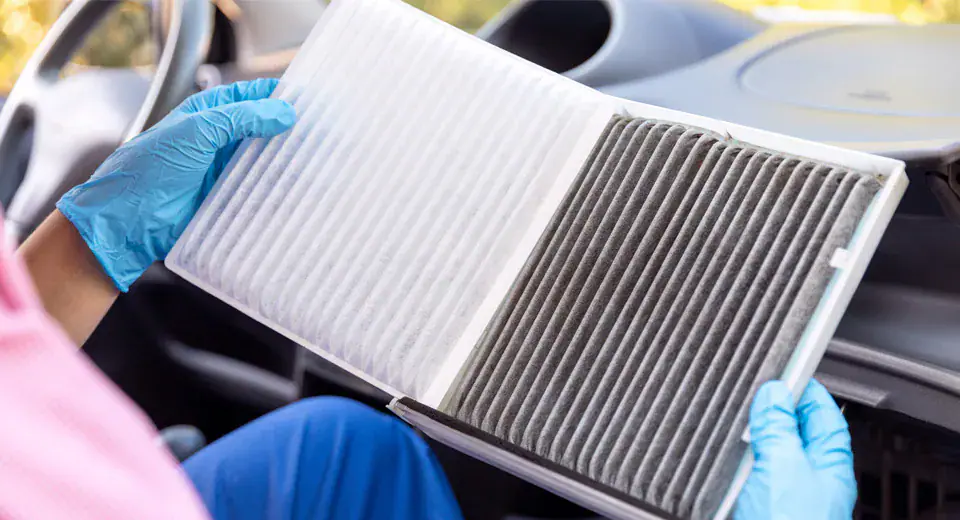
When was the last time you replaced your cabin air filter? In the spring, you’re likely inhaling more allergens, irritants, and pollutants. Your vehicle breathes too, and clogged filters mean it’s working harder than it needs to. Cabin Air Filters should be changed at least every 30,000 miles, but if you frequently drive in areas with a lot of pollution, you should change it sooner. The same goes for your engine air filter. If you have all of your regular maintenance done at Borgman, we keep track of these things and let you know when it's time. If you're just a tiny bit handy, both of these parts are easy enough to find and check. Cabin Air Filters are usually located behind your glove box, and the Engine Air Filter is right on top when you open the hood. Your manual will tell you exactly where they are, and what size you need. When you pull them out, most of the time it'll be pretty apparent if they need to be changed. However, if you're short on time or need help, Borgman is here to make sure you breathe easy this summer. What The Cabin Air Filter Does Your cabin air filter does exactly that - filters the air coming into your vehicle from outside. They're made of pleated material designed to trap incoming pollutants like dust, pollen, spores, and other particulates in the air and prevent them from entering the cabin when the heat or AC is on. When your filter starts to get clogged up with these pollutants, you might notice first that your vents don't blow as strong as they used to. Next, you might notice a musty smell, and then finally a whistling noise, as air is forced to find its way through gaps. Simply changing the filter will correct all of these issues at the source, but it may take some extra cleaning to get the musty smell out. If you're having trouble finding or replacing your cabin air filter, talk to the experts at Borgman - we'll have it replaced for you in no time. What The Engine Air Filter Does Just like how the Cabin Air Filter keeps airborne gunk out of your interior, the Engine Air Filter keeps the same things from getting inside your engine. These usually look like a bigger version of a Cabin Air Filter and are most commonly a cartridge style. However, some older or custom vehicles will have a drum style. Your engine needs three things to turn the wheels: fuel, spark, and fresh air. Just as your fuel filter removes any fine particulate, your air filter removes dirt, pollen, and other contaminants so they don't mix with fuel and coat your engine parts with carbon. If you don't have this filter changed, you'll notice your engine feeling sluggish and using more fuel to get moving. It makes sense when you think about it - try running a mile while holding your breath. Eventually, air will find its way in, carrying things the filter is supposed to be keeping out, and that means really expensive repairs. Borgman Service Center in Grand Rapids Helps You And Your Vehicle Breathe Easier If you're wondering when the last time your air filters were changed, give us a call at the Borgman Service Center. If you have us do all of your maintenance, we can check your file and let you know if you're overdue or not. If this is your first time with us, we'll take a look at both and make an honest recommendation. However, if you're in doubt, these are fairly inexpensive parts to replace. To get started, use our easy Online Scheduler to make your appointment, then check out our Service Specials for the latest discounts. We've been keeping West Michigan moving since 1960, and it'd be our pleasure to serve you. Come see why we're the Best in the West!